EN
EN

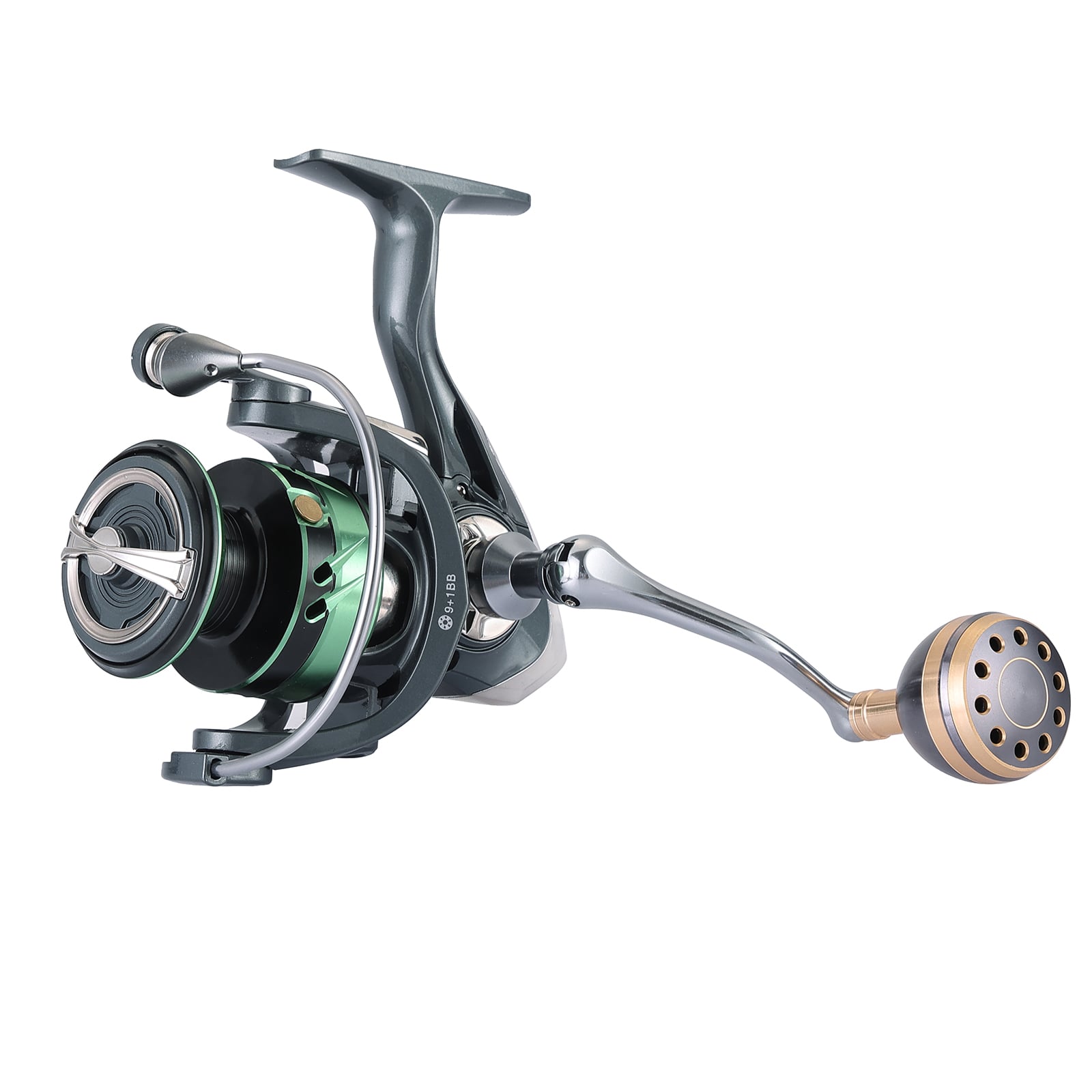
The Invisible Hand Behind Every Cast
Every time an angler sets the hook on a good fish, there’s a moment where everything comes down to the reel. The drag, the gears, the frame—every component has to work together perfectly, or the fish wins. What most anglers don’t think about is the decades of experience that went into making that reel work that way.
Manufacturing a fishing reel isn’t like stamping out simple parts. It’s precision engineering, materials science, and quality control all rolled into one. And the difference between a reel that performs and one that fails often comes down to one thing: the manufacturer’s experience.
The Engineering Knowledge That Can't Be Learned Overnight
Reel manufacturing involves a staggering number of variables. Gear tooth profiles, bearing tolerances, drag washer materials, frame rigidity, rotor balance—each element interacts with every other element. Changing one thing affects everything else.
Experienced manufacturers have learned these interactions through decades of trial and error. They know, for example, that a particular gear tooth design might reduce friction but increase wear under heavy load. They know which bearing materials hold up in saltwater and which ones don’t. They know how to balance a rotor so it spins true at high speeds without vibration.
This knowledge doesn’t come from textbooks. It comes from making mistakes, analyzing failures, and refining designs over years of production. A manufacturer with twenty years of experience has seen problems that a newer operation hasn’t even imagined.
The industry has seen this play out repeatedly. Companies that have been in the game for decades—like Okuma with over forty years of reel development—have built institutional knowledge that simply can’t be replicated quickly. Daiwa’s long history of innovation has left a visible mark on the majority of tackle manufactured today.
Quality Control: The Difference Between Good and Great
Anyone can build a reel that works for a season. Building one that works for years—that performs consistently across thousands of casts, in saltwater and freshwater, in heat and cold—that requires a quality control system built on experience.
Experienced manufacturers have QC processes that catch problems before they reach the angler. They test drag systems for consistency across the entire range of settings. They run gears through cycles that simulate years of use. They check spool balance at tolerances that most anglers would never notice.
A story from the manufacturing floor illustrates this. At a reel factory in China that has produced reels for major global brands, the QC team once rejected an entire batch of gears because the surface finish was off by a fraction of a micron. The gears would have worked. They would have felt smooth. But the QC team knew, from years of experience, that the slightly rough finish would lead to premature wear after a few hundred hours of use. The batch was scrapped and re-run.
That kind of discipline doesn’t happen without experience. It happens because the people running the QC line have seen what happens when tolerances slip. They’ve seen the reels come back with worn gears. They’ve learned to catch the problem before it leaves the factory.
Innovation That Solves Real Problems
Experience drives innovation in a specific way: it focuses on solving real problems rather than chasing trends.
A manufacturer that has been building reels for twenty years has a deep understanding of what actually fails in the field. They know which components wear out first. They know which materials hold up and which ones don’t. That knowledge directs R&D efforts toward improvements that make a real difference.
Take the shift to carbon fiber drag washers. This wasn’t a marketing gimmick—it was a response to a real problem. Felt washers degrade when wet, creating inconsistent drag performance. Carbon fiber washers don’t. The innovation came from manufacturers who understood the problem and had the materials expertise to solve it.
Similarly, the move to CNC-machined spools addressed a real issue: inconsistent line lay from cast spools. The solution required investment in new manufacturing equipment and a deep understanding of the relationship between spool geometry and casting performance.
| Experience Level | Typical QC Approach | Innovation Focus |
|---|---|---|
| < 5 years | Basic functional testing | Copying competitors |
| 5 – 15 years | Comprehensive testing, some automation | Incremental improvements |
| 15+ years | Predictive testing, material analysis | Solving known failure modes |
| 25+ years | Full lifecycle simulation, proprietary materials | Industry-leading advancements |
The Supply Chain Advantage
Experience in manufacturing doesn’t just affect the factory floor—it affects the entire supply chain. An experienced manufacturer has relationships with material suppliers that have been built over years. They know which suppliers deliver consistent quality and which ones cut corners.
This matters because reel components come from all over. Bearings from one supplier, gears from another, graphite from a third. Managing that supply chain to ensure consistent quality is a skill that takes time to develop.
An experienced manufacturer also has the volume to justify custom materials and components. Instead of using off-the-shelf bearings, they can specify bearings with particular tolerances and materials. Instead of using standard graphite blends, they can develop proprietary compounds that offer better strength-to-weight ratios.
These advantages don’t show up on spec sheets, but they show up on the water. A reel from an experienced manufacturer feels different—smoother, more solid, more reliable.
The Cost of Inexperience
The flip side of experience is what happens without it. Inexperienced manufacturers often cut corners in ways that aren’t immediately obvious. They might use cheaper bearings, thinner graphite, or simpler gear designs. The reel works fine out of the box. But after a season of use, the drag starts to surge. The gears develop a grind. The frame flexes under load.
These problems don’t show up in a quick test on the showroom floor. They show up on the water, when a good fish is on the line. That’s the cost of inexperience—and it’s a cost that the angler pays.
The fishing tackle industry has seen this pattern repeat. New manufacturers enter the market with low prices, gain some traction, and then disappear when quality issues catch up with them. The manufacturers that survive and thrive are the ones that have built experience over decades.
What Experience Looks Like in Practice
For a manufacturer with over twenty years in the reel business, experience shows up in the details. The gear mesh is precise—no grinding, no hesitation. The drag is smooth across the entire range—no surging, no sticking. The frame is rigid—no flex under load. The bearings are positioned where they matter—not just stuffed in to boost the count.
Vigorcent, with more than two decades of reel manufacturing experience, represents this level of institutional knowledge. The company has worked with major global brands, learned from those partnerships, and built its own manufacturing capabilities around the lessons of those decades. That experience translates into reels that perform consistently, season after season.
The Bottom Line
Experience in reel manufacturing isn’t a marketing claim—it’s the foundation of product quality and innovation. It’s what separates a reel that works from a reel that works when it counts. It’s what drives meaningful improvements rather than superficial changes.
For the angler, the manufacturer’s experience is invisible but essential. It’s the difference between a reel that feels good on the first cast and one that still feels good on the thousandth.