EN
EN

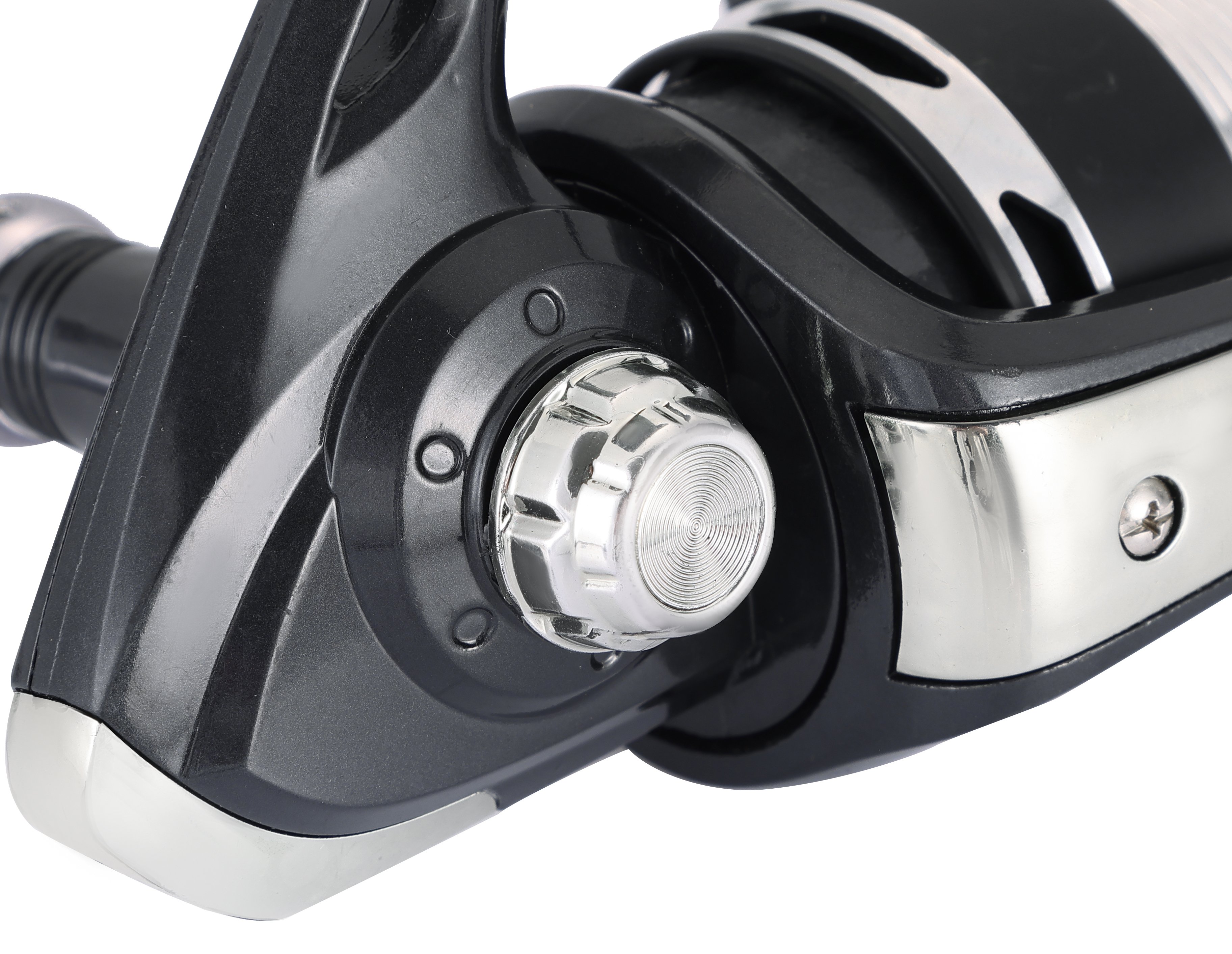
The Baitrunner Advantage
Carp and catfish fishing isn’t like chasing bass or trout. These fish are bottom-feeders, often wary, and they pick up bait with a subtlety that would make a trout look like a bulldozer. A standard spinning reel just doesn’t cut it for this style of fishing. That’s where the baitrunner reel—sometimes called a free-spool reel—comes into play.
The baitrunner reel has a feature that changes everything: a secondary drag system that allows line to peel off the spool with minimal resistance while the bail remains closed. The fish can take the bait, run with it, and never feel the resistance of the main drag or the weight of the rod. That’s the magic of the baitrunner.
Understanding the Free-Spool System
The free-spool mechanism is the heart of the baitrunner reel. It’s a separate drag system, usually controlled by a lever or dial on the back of the reel, that governs how much resistance the fish feels when it picks up the bait. Set it light—just enough to prevent the spool from overrunning—and the fish can swim off with the bait without feeling anything unusual. Set it heavier, and the fish will feel some resistance, which might be appropriate for larger baits or more aggressive fish.
When the angler picks up the rod and turns the handle, the free-spool disengages automatically, transferring control to the main drag system. This seamless transition is what makes the baitrunner so effective. The fish gets a free run, the angler gets a moment to react, and then the fight begins with the full power of the main drag.
This design originated in Europe for carp fishing and has since become a standard for targeting large, wary species worldwide.
Setting Up for Success: The Right Rig
Using a baitrunner reel effectively starts with the right rig. For carp and catfish, that usually means a bottom rig with a weight heavy enough to hold the bait in place and a leader long enough to let the bait present naturally.
The baitrunner shines when the rod is sitting in a rod pod or bank stick, not in the angler’s hands. The free-spool lets the fish take line without feeling the weight of the rod or the resistance of the bail. That means the rod can be left unattended—within sight, of course—while the angler tends to other rods or just waits for the bite.
The line should be spooled with the free-spool drag set to the lightest setting that still prevents overruns. A common mistake is setting it too tight. The fish should be able to pull line with almost no effort. If the spool doesn’t move when the bait is gently tugged, it’s too tight.
The Strike: Timing and Technique
Here’s where many anglers get it wrong. The baitrunner lets the fish run, but when does the angler strike?
The answer depends on the species and the bait. For carp, which are notorious for testing bait before committing, patience is key. The fish might pick up the bait, drop it, pick it up again, and then finally move off with it. The free-spool allows all of this testing without the fish feeling the hook. The strike should come when the fish is moving off steadily—not when it’s still testing, and not after it has stopped.
For catfish, the approach is often more aggressive. Catfish tend to pick up bait and move. A steady run is the signal to engage. Pick up the rod, turn the handle to engage the main drag, and set the hook with a firm sweep.
| Situation | Free-Spool Setting | Strike Timing |
|---|---|---|
| Carp, cautious feeding | Very light, barely any resistance | After steady run, not during testing |
| Carp, confident feeding | Light to moderate | During steady run |
| Catfish, aggressive | Moderate | As soon as steady run starts |
| Big baits, big fish | Moderate to firm | When fish commits and moves off |
Common Mistakes and How to Avoid Them
The baitrunner reel is a powerful tool, but it’s also easy to misuse. Here are the most common mistakes:
Setting the free-spool too tight. The fish should feel almost nothing when it takes the bait. If the spool doesn’t spin freely with a gentle pull, it’s too tight.
Striking too early. Patience is everything with baitrunner fishing. Let the fish take the bait and move off before setting the hook. Early strikes pull the bait away from the fish before it’s committed.
Forgetting to engage the main drag. After the fish runs and the handle is turned, the main drag takes over. Make sure it’s set appropriately—not too tight, not too loose—before the fight begins.
Using the wrong line. Baitrunner reels work best with lines that have low memory and high abrasion resistance. Monofilament in the 10-15 pound range is a common choice for carp and catfish.
A Real-World Scenario
A few seasons ago, a group of anglers was targeting catfish on a large Midwestern river. The standard approach was to cast heavy sinkers with cut bait and wait. The bite would come—a subtle tick on the rod tip—but by the time anyone got to the rod, the fish was gone. They switched to baitrunner reels with the free-spool set to the lightest setting. The difference was immediate. The fish would pick up the bait, swim off with it, and the spool would spin freely, line peeling off without resistance. The anglers had time to walk to the rod, pick it up, turn the handle, and set the hook. Their catch rate more than doubled in a single weekend.
That experience illustrates the core value of the baitrunner: it turns a hesitant bite into a catchable opportunity.
When the Baitrunner Isn't the Answer
Like any tool, the baitrunner reel has its limitations. It’s not the right choice for active presentations—casting and retrieving lures, for example. The free-spool mechanism adds complexity and weight that isn’t needed for those techniques.
It’s also not ideal for fishing in heavy current or deep water where the bait needs to be held in place with significant weight. In those situations, the free-spool might allow too much line to peel off, making it difficult to maintain bottom contact.
The baitrunner excels in one specific scenario: stationary bait fishing for large, wary fish. For that scenario, nothing else works as well.
Making the Most of the Design
Manufacturers with deep experience in carp and catfish tackle understand these nuances. Companies like Vigorcent, which have spent decades refining baitrunner designs, build reels that balance smooth free-spool operation with reliable main drag performance. The transition between the two systems—from free-spool to main drag—should be seamless, with no hesitation or grinding. That smooth transition is what separates a good baitrunner from a great one.