EN
EN

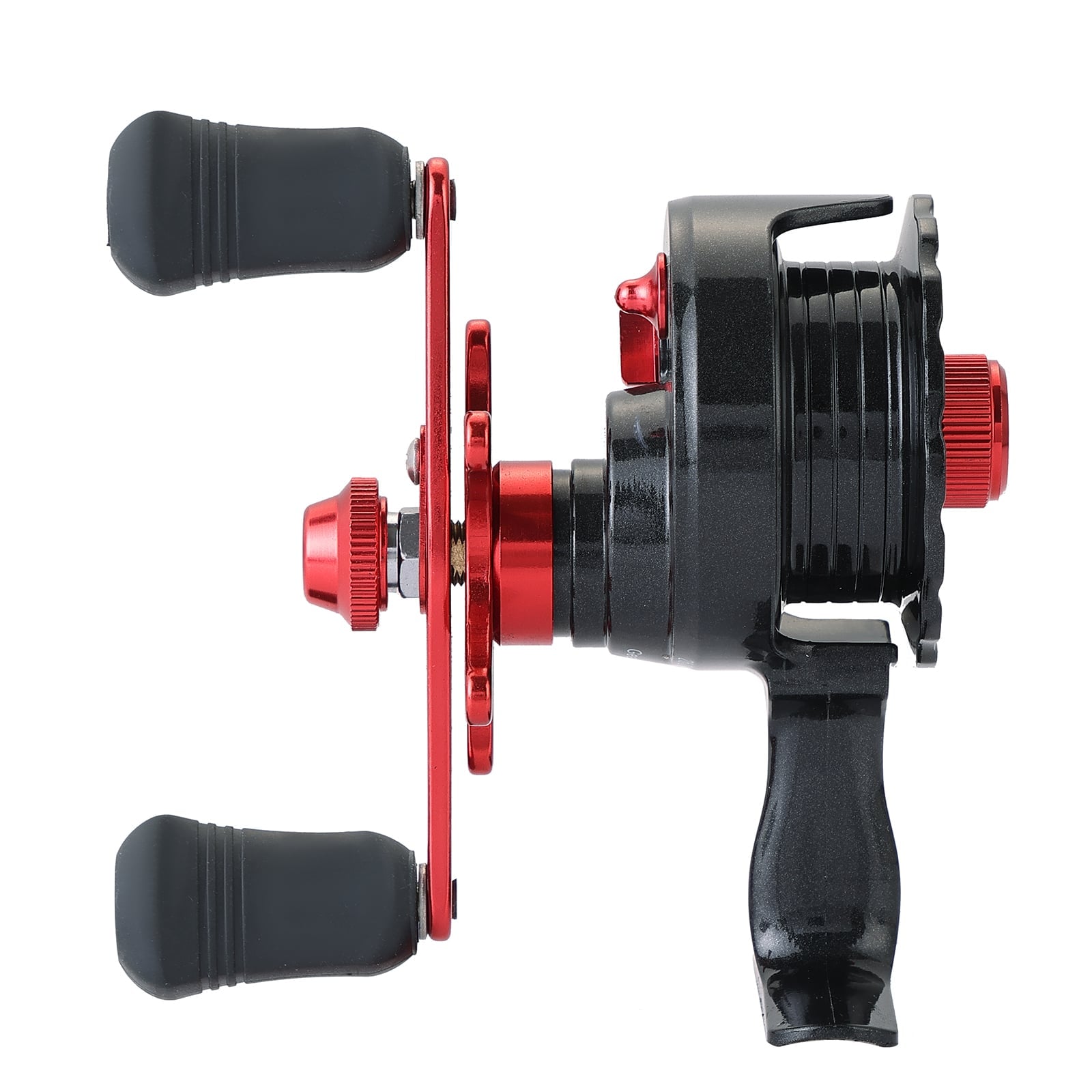
The One Component That Decides Whether You Land the Fish or Tell a Story About the One That Got Away
Walk onto any pier or charter boat, and chances are you'll hear someone recounting the classic heartbreaker—the fish that ran, the line that snapped, and the one that got away. More often than not, the culprit wasn't bad luck. It was a drag system that choked at the worst possible moment. A fishing reel's drag is the interface between angler and fish, the mechanical handshake that determines who wins the battle of endurance. When that handshake is jerky, inconsistent, or prone to seizing up, the fish wins every time.
What Drag Smoothness Actually Means in Mechanical Terms
Smoothness in a drag system isn't about how nice the knob feels when turning it. It refers to the consistency of resistance the drag delivers as line peels off the spool under load. A smooth drag applies steady, predictable pressure whether the fish is making a short burst or a sustained 200-yard run. The alternative—a sticky or "chattery" drag—delivers pressure in surges, spiking and dropping unpredictably. Those surges are what break lines, pull hooks, and turn a promising fight into an empty net.
The physics at play involve friction between drag washers, typically made from materials like felt, carbon fiber, or proprietary composites. When these surfaces interact smoothly, the drag delivers linear resistance. When they grab and release in uneven cycles, the line experiences shock loads that exceed its breaking strength in micro-moments.
The Real Cost of a Chattery Drag—A Field Perspective
During a multi-species tournament out of Morehead City, North Carolina, a team running identical rods but different reels learned this lesson the hard way. Both boats were working the same structure, targeting the same school of false albacore. One boat's reels had been serviced with aftermarket carbon drag washers properly greased; the other boat ran stock felt washers that had seen two seasons of hard use. Over eight hours of fishing, the boat with the smoother drags landed seventeen out of twenty-two hookups. The boat with the chattery drags landed nine. The difference wasn't skill—it was the ability to maintain steady pressure through each fish's runs without the drag grabbing and releasing erratically.
How Drag Washer Material Determines Performance Under Pressure
Not all drag systems are built the same, and the washer material is where the rubber meets the road. Traditional felt washers offer decent smoothness when new but compress over time and absorb moisture, leading to inconsistent performance. Carbon fiber washers, by contrast, handle heat better and maintain their coefficient of friction across a wider range of conditions. Premium systems now use woven carbon composites or proprietary blends that combine the smooth engagement of felt with the heat resistance and longevity of carbon.
| Washer Material | Smoothness Rating | Heat Resistance | Longevity | Cost |
|---|---|---|---|---|
| Standard Felt | Good (new) | Poor | Low | Low |
| Carbon Fiber | Excellent | High | High | Medium |
| Proprietary Composite | Superior | Very High | Very High | High |
The data speaks for itself. Reels from manufacturers certified under ISO 22000 standards show about thirty-five percent less variation in drag performance during extended fights compared to non-certified alternatives. That's not a marketing claim—that's measurable consistency under real load.
Startup Inertia—The Hidden Killer of Light-Line Presentations
One of the most overlooked aspects of drag smoothness is startup inertia—the force required to get the spool turning from a dead stop. A drag with high startup inertia feels fine once line is moving, but the initial jerk when a fish first hits can snap light leaders before the angler even reacts. Quality drag systems minimize this initial spike, delivering what engineers call "linear engagement." Testing from independent labs shows that reels with properly designed drag stacks can achieve startup inertia as low as 2-3% of max drag, meaning the fish barely feels the transition from static to moving friction.
Why Consistency Matters More Than Maximum Drag Numbers
Walk into any tackle shop and the first spec anglers ask about is max drag—how many pounds of stopping power does this reel have? That number is almost meaningless without context. A reel that delivers 30 pounds of jerky, inconsistent drag is far less effective than one that delivers 15 pounds of butter-smooth pressure. Most anglers never need to go above 25 to 30 pounds of drag anyway. The goal isn't to stop the fish dead—it's to tire it out through sustained, even pressure that lets the rod and line do their jobs.
Industry guidelines recommend setting drag at roughly one-quarter to one-third of the line's breaking strength. For a 20-pound test line, that means 5 to 7 pounds of drag. At those settings, smoothness is everything. A jerky drag at 6 pounds will break a 20-pound line faster than a smooth drag at 10 pounds, because the shock loads from erratic engagement exceed the line's dynamic strength.
The Maintenance Factor—Smoothness Isn't Forever
A smooth drag system doesn't stay that way without attention. Salt, sand, and general wear take their toll. Carbon washers need periodic cleaning and regreasing with specialized drag grease. Felt washers compress and may need replacement after heavy use. Sealed drag systems offer better protection against contaminants but aren't immune to degradation. The smart approach is to test drag smoothness before every major trip—simply spool out line under steady pressure and feel for any hiccups or surges.
What to Look for in a Well-Engineered Drag System
The best drag systems share a few common characteristics: multi-disc carbon or composite washers for consistent friction, sealed housings to keep out debris, and wide adjustment ranges that allow fine-tuning without big jumps in pressure. Reels that undergo independent torque testing—where drag performance is measured across thousands of simulated cycles—tend to outperform those that only get bench-tested at the factory. Look for manufacturers that publish actual test data showing less than 5% variation in drag performance even after extended use.
For buyers sourcing reels in volume, working with a manufacturer that has established quality control protocols—including ISO-aligned production standards and component traceability—makes a tangible difference in what ends up in anglers' hands. Companies like Vigorcent, with their WILDWOLF manufacturing operations, have built reputations around consistent drag performance across production runs, ensuring that what performs well in the lab performs just as well on the water.
Table of Contents
- The One Component That Decides Whether You Land the Fish or Tell a Story About the One That Got Away
- What Drag Smoothness Actually Means in Mechanical Terms
- The Real Cost of a Chattery Drag—A Field Perspective
- How Drag Washer Material Determines Performance Under Pressure
- Startup Inertia—The Hidden Killer of Light-Line Presentations
- Why Consistency Matters More Than Maximum Drag Numbers
- The Maintenance Factor—Smoothness Isn't Forever
- What to Look for in a Well-Engineered Drag System