EN
EN

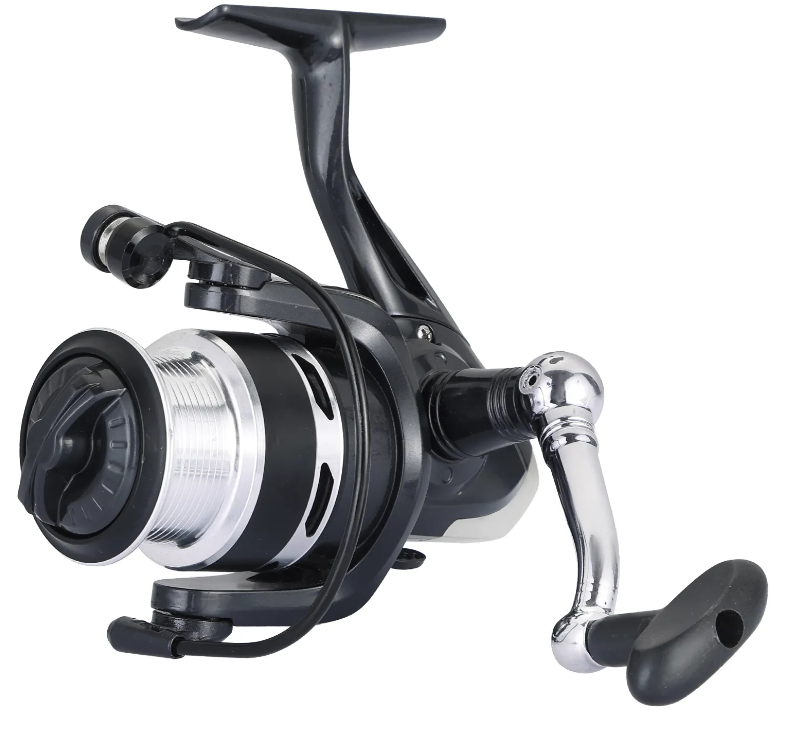
Engineering Excellence and Certified Manufacturing Standards
ISO-Certified Production and Component Traceability
When looking for a good reel manufacturer, checking their commitment to quality standards should be the first step. Getting ISO 9001 certified means they have proper systems in place for quality control throughout the whole process, starting from where they source materials all the way through to putting together the finished product. This helps ensure that what comes off the line meets consistent specifications time after time. Another important factor is being able to track components at every stage of production. Manufacturers need to know exactly where each part has been, whether it's an aluminum billet or a completed spool. If something goes wrong during manufacturing, this tracking system lets them isolate affected batches quickly. That saves money on recalls and keeps customers happy. Independent audits of these quality systems give real proof about what companies claim about their processes. These checks help prevent poor quality parts from ever making it into anglers' hands.
Drag System Integrity Validated by Independent Torque Testing
The drag system on a fishing reel basically determines how well it holds up when battling big fish. Major brands back up their claims by running independent torque tests that mimic actual fishing conditions, especially the kind of sustained pressure from fighting massive saltwater gamefish. What they look for in these tests is whether the drag stays consistent through thousands of turns without slipping, melting down from heat, or wearing out too fast. Important numbers they track? How much weight the reel can handle in hot saltwater, if the friction stays steady after sitting in seawater all day, and how durable it remains after around 5,000 simulated drag runs. Reputable companies actually publish these test results, showing only about 5% variation even after tough use. That's way better than what most people expect from standard reels, and it shows real engineering work went into making them reliable instead of just fancy marketing talk.
Real-World Reliability: Corrosion Resistance and Environmental Durability
Accelerated Saltwater Testing Protocols and Material Longevity Data
The problem with saltwater corrosion is serious business when it comes to how long fishing reels last. We're talking about real money too - operations lose around seven hundred forty thousand dollars each year because their gear breaks down early according to the Ponemon Institute from 2023. Smart companies fight back against this issue using something called ASTM B117 salt spray tests. These tests basically speed up what happens naturally over many years in the ocean environment right inside a lab setting where conditions can be controlled again and again. When they run these tests, big differences between materials become obvious pretty quickly. For instance, good quality marine aluminum holds up against pitting for over a thousand hours in testing, whereas regular untreated metals start breaking down after just two hundred hours or so. Some proven results show stainless steel parts still work fine after going through five thousand plus salt fog cycles. Composite side plates treated with UV stabilizers resist damage three times better than normal plastic options. Ceramic line guides have shown absolutely no signs of corrosion even after testing that simulates ten whole years of exposure. Research shows cutting corners on these kinds of tests cuts gear life expectancy by almost half. Look for brands that actually release detailed reports about how long their materials hold up under real stress, not just vague claims about meeting standards if we want equipment that stands up to actual use out there on the water.
Beyond Brand Legacy: Evaluating True Reels Manufacturer Reliability
Brand recognition doesn't always mean something works well over time. Sure, big name brands are familiar to most people, but what really matters for lasting performance comes down to actual quality control measures rather than just being old and famous. Start looking at concrete signs instead. An ISO 9001 certificate means there's some sort of organized approach to quality. Companies that share details about where their materials come from show they care about what goes into their products. And when parts can be traced back to their source, that usually indicates someone thought ahead about problems that might happen, especially important stuff like gear used in saltwater fishing conditions. Check if companies actually spend money on research and development. Real improvements happen when products get better based on actual tests, not just pretty new designs every now and then. What matters most though is whether they will show their work. Do these companies put out information about how they test things like drag strength, how resistant to rust they are, and how stable they stay under heat? Take a good look at what real users say too. People who fish professionally or run charter boats tend to know which equipment stays reliable year after year. Their experiences often tell us more about true reliability than any marketing campaign ever could. At the end of the day, good performance isn't something handed down from history books it's built through actual measurable actions.
Post-Purchase Support as a Critical Reliability Metric
Warranty Coverage, Spare Parts Availability, and Technical Documentation Quality
When looking at what makes a reel truly reliable, the real test comes after purchase when owners need ongoing support. Most premium reels come with warranties lasting five years or more, which shows the maker believes in their product's durability while also cutting down on overall costs for the buyer. Getting replacement parts matters just as much though. The best companies make sure key pieces like drag washers, drive gears, and those little bail springs stay available for around ten years. That means anglers won't be stuck waiting during prime fishing times. Good manuals and service guides matter too. Some brands provide detailed exploded diagrams, easy to follow repair steps, and instructions in multiple languages so anyone can fix their gear properly. No one wants to deal with something broken right before an important trip. Serious fishermen need to check these support factors as carefully as they look at specs sheets. Companies that do well in all these areas tend to keep customers coming back year after year, with some stats showing retention rates over 80%. At the end of the day, dependable service support often counts for more than what something costs upfront.
FAQ Section
Why is ISO 9001 certification important for reel manufacturers?
ISO 9001 certification ensures a systematic approach to quality control, maintaining consistent specifications and reliability throughout production.
How do reel manufacturers test drag system integrity?
Manufacturers conduct independent torque tests replicating real fishing conditions to ensure drag systems maintain consistency and durability under pressure.
What are ASTM B117 salt spray tests?
ASTM B117 salt spray tests simulate long-term saltwater exposure in controlled lab settings to identify material resistance and durability against corrosion.
Why should I consider post-purchase support when buying a reel?
Post-purchase support, including warranties and spare parts availability, ensures ongoing reliability and reduces downtime during crucial fishing periods.