EN
EN

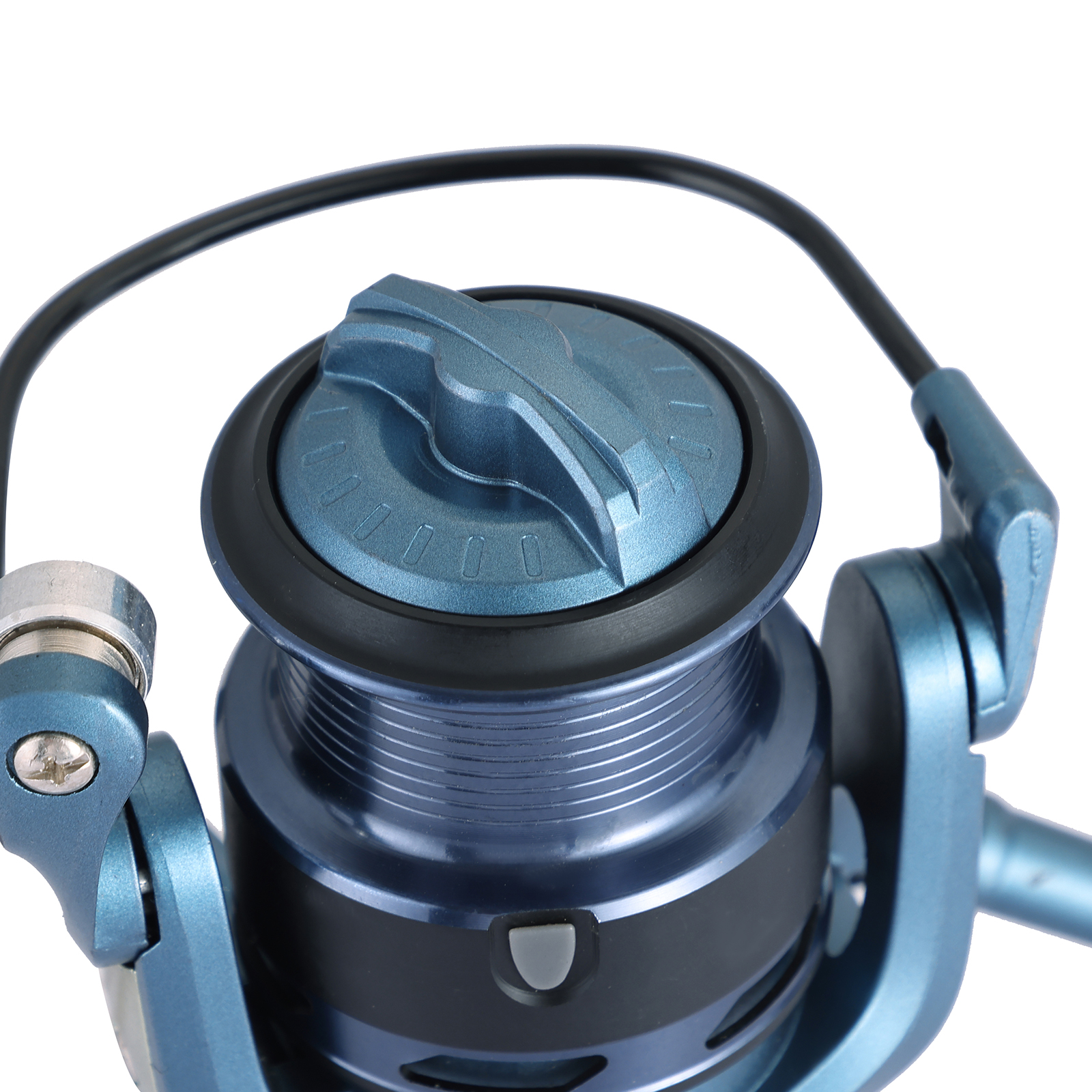
Picking the Right Reel Size for Light Tackle Work
Light tackle fishing lives and dies by the reel size. Too large and the rod balance goes out the window, casting turns into a chore, and the whole setup feels like swinging a baseball bat. Too small and the drag lacks the guts to handle anything with shoulders, plus line capacity runs out faster than patience on a slow bite.
For most freshwater light tackle applications—think bass, trout, panfish, and the occasional walleye—the 2500 to 3000 size class sits in the sweet spot. A 1000-size reel works for ultralight presentations with 2- to 6-pound test, but the line capacity gets tight fast. On the other end, stepping up to a 4000 series adds weight that kills the sensitivity light tackle is supposed to deliver.
The real test comes when a fish decides to run. A 2500-class reel typically holds enough 8- to 10-pound braid to handle a solid hundred yards of line, which covers most freshwater scenarios. The key is matching the reel to the rod's power rating. A medium-light rod pairs naturally with a 2500 reel; a light-power rod steps down to 2000 or even 1500. Get that match wrong, and the rod either overpowers the reel or the reel overwhelms the blank.
Line Selection: Braid, Mono, or Fluoro?
Line choice sparks more arguments at the dock than almost any other topic. For light tackle spinning setups, braided line has become the default for good reason. The lack of stretch translates directly to bite detection—every tap, every nibble, every hesitation telegraphs straight to the hand. That sensitivity matters when fishing finesse presentations where the bite barely registers.
A 10- to 15-pound braid on a 2500 reel gives the casting distance that mono simply cannot match. The thinner diameter cuts through wind and loads the rod more efficiently during the cast. But braid has a catch—it's visible in clear water, and it has zero shock absorption. That is where the fluorocarbon leader comes in. A 15- to 20-pound fluorocarbon leader, about six to eight feet long, solves both problems. The leader hides the braid from wary fish and adds a touch of stretch to absorb those sudden head shakes.
Monofilament still has a place. It floats, which makes it the go-to for topwater presentations. It stretches, which protects light line during hard runs. And it costs less, which matters when respooling multiple times a season. But for an all-around light tackle setup, braid with a fluoro leader gives the most versatility.
Gear Ratio: Speed vs. Torque
Gear ratio determines how much line the reel picks up with each turn of the handle. A 5.2:1 ratio means the rotor spins 5.2 times per handle crank. That number shapes everything about how the reel fishes.
Lower ratios, in the 5.0:1 to 5.5:1 range, deliver cranking power. They shine when fishing deep-diving crankbaits or dragging bottom baits where the resistance builds with every turn. The slower retrieve also gives the angler more control during the fight—less line picked up per crank means more time to react when the fish changes direction.
Higher ratios, 6.0:1 and above, prioritize speed. They excel with topwater lures that need a fast, consistent retrieve to stay in the strike zone. They also help when covering water quickly, burning through a bank or a weed line to find active fish.
For a general-purpose light tackle reel, a 5.5:1 to 6.0:1 ratio strikes the right balance. It has enough torque to handle crankbaits and enough speed to work topwater effectively. Specialized applications push the ratio one way or the other, but that middle ground covers most freshwater fishing situations.
Drag Systems: What Smooth Actually Means
The drag system separates a good reel from a frustrating one. A smooth drag does not just feel nice—it saves line, protects knots, and lands fish that would otherwise break off.
The difference between materials shows up clearly under load. Felt drag washers, the traditional choice, work reasonably well at low drag settings but degrade quickly under sustained pressure. They absorb water, change friction properties when hot, and develop that dreaded stick-slip behavior where the drag grabs and releases in micro-jerks. Each jerk spikes the line tension, often exceeding the knot strength even when the drag setting looked right on the bench.
| Drag Material | Startup Smoothness | Heat Dissipation | Wet Performance | Maintenance |
|---|---|---|---|---|
| Oiled Felt | Inconsistent, stick-prone | Poor | Degrades significantly | Frequent |
| Carbon Fiber (Multi-Disc) | Consistent, low startup inertia | Excellent | Nearly unchanged | Minimal |
Carbon fiber multi-disc drag systems changed the game entirely. The startup inertia stays almost identical to the running drag, so the line never sees a dangerous tension spike. Independent workshop testing shows premium carbon drag systems keep startup inertia under a 5% increase over running drag, while budget felt systems often spike 15% to 30%. That difference lands fish or loses them.
For light tackle applications where line tests run light, that smoothness is non-negotiable. A 6-pound test line has no margin for a sudden drag grab. The reel needs to release line the moment pressure exceeds the setting, not a split-second later when the line has already parted.
The Spool Material Question
Graphite spools show up on entry-level and mid-range reels because they cost less to produce. They work, but they flex under load. That flex changes the spool geometry, affecting line lay and casting performance.
CNC-machined aluminum spools maintain their shape regardless of pressure. The precision machining creates uniform wall thickness and exact dimensions that molded plastic simply cannot achieve. The spool spins truer, with less wobble. Line comes off more smoothly during casts. The spool does not deform over time as line tension cycles up and down.
A spare aluminum spool transforms a single reel into a modular system. It allows instant line changes without respooling, maintains consistent drag performance across both spools, and ensures the backup performs at the same level as the primary. For anglers who fish multiple line types or target different species in a single outing, that flexibility is not a luxury—it is a practical advantage.
One Setup That Handles Most Situations
A midwest guide running trips on a large reservoir system shared a setup that covers about 80% of what clients encounter: a 7-foot medium-light graphite rod, a 2500-size spinning reel with a 5.8:1 gear ratio, spooled with 10-pound braid and topped with a 15-pound fluorocarbon leader. That combination handles everything from casting small crankbaits along riprap to pitching wacky rigs into brush piles. The rod has enough backbone for bass in the 3- to 5-pound range, and the reel's drag handles the sudden runs without hesitation.
The setup is not perfect for every scenario. Flipping heavy cover needs a heavier rod and a bigger reel. Finesse presentations in ultra-clear water sometimes call for 4-pound test and a smaller spool. But for the angler who wants one reliable light tackle setup that works across most freshwater species and conditions, that combination delivers.
Manufacturers like Vigorcent have built their production around these specifications, with R&D teams that understand what light tackle anglers actually need. The company's manufacturing capabilities span from entry-level reels to precision-machined aluminum spools, supporting both branded lines and OEM partnerships across markets from North America to Europe and beyond.