EN
EN

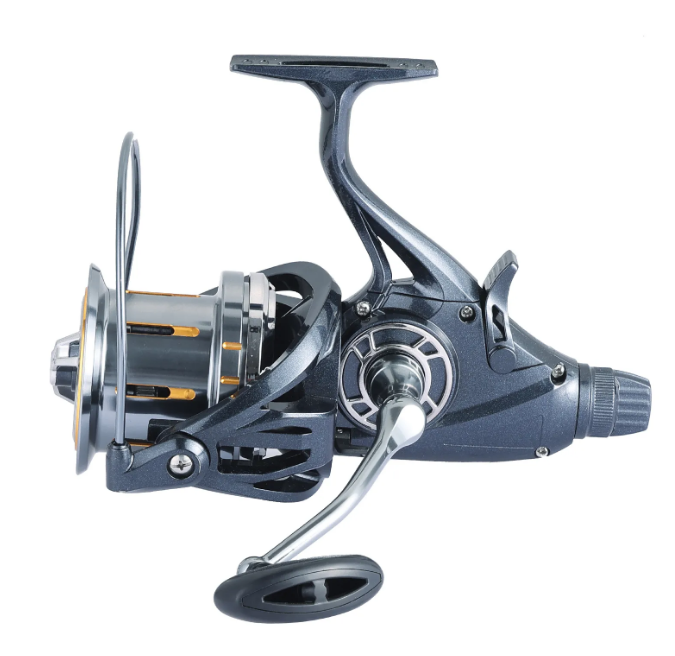
Why Drag Smoothness Defines a Reel’s Core Value
A smooth drag system is not a luxury feature. It is the heartbeat of any fishing reel. When a fish surges, the drag must yield line with zero hesitation. Any stick-slip, where the drag grabs and releases in rapid micro-jerks, instantly spikes the tension on the line. That spike can easily exceed the knot strength or leader rating, even if the drag setting looked perfect on land. A truly smooth drag ramps up resistance in a linear, predictable curve, giving the angler full control during the fastest runs.
The Physics of a Stick-Slip Failure
From an engineering standpoint, drag hesitation happens when the friction surfaces transition unevenly from static to dynamic friction. Imagine a reel that sits still, then suddenly breaks free at a higher force than it takes to keep the spool spinning. That peak force, known as startup inertia, is the most common cause of broken leaders during a hookset or a sudden burst run. A reel with a smooth drag system keeps the startup inertia almost identical to the running drag, so the line never sees a dangerous tension jump. This is why top-tier manufacturers obsess over drag start-up graphs, not just the maximum number on the spec sheet.
Carbon Drag vs. Felt Washers: The Modern Advantage
Older reels relied on oiled felt washers. They work, but they absorb water, change friction properties when hot, and tend to get grabby after a long fight. Modern multi-disc carbon fiber drag stacks changed the game entirely.
| Drag Material | Startup Smoothness | Heat Dissipation | Wet Performance | Maintenance Required |
|---|---|---|---|---|
| Oiled Felt | Inconsistent, prone to stick | Poor | Degrades significantly | Frequent |
| Carbon Fiber (Dry/Wet) | Consistent, low startup inertia | Excellent | Nearly unchanged | Minimal |
These differences become life or death when a pelagic fish makes a 150-yard first run. Carbon drags maintain a cooler, steadier friction coefficient, which directly translates to fewer pulled hooks and less line shock.
A Close Call with a Giant Trevally: When Smooth Drag Saved the Gear
An experienced shore angler fishing a remote atoll in the Indian Ocean targeted giant trevally with a popper. The reel was loaded with 80-pound braid and an 80-pound fluorocarbon leader. On the third cast, a massive GT inhaled the lure and immediately ripped off 120 yards at full throttle. Midway through the run, the line briefly wrapped around a coral head, creating a sudden increase in resistance. A gritty, uneven drag would have snapped the leader at that moment. Because the reel’s multi-disc carbon drag stack delivered buttery-smooth payout, the tension ramped up gradually, allowing the line to slide off the obstruction without overloading the leader. The fish was eventually landed after a tense 25-minute battle. Without that precise, hesitation-free drag, the outcome would have been a clean cut and a lost trophy.
Testing Drag Consistency: What the Numbers Reveal
Independent workshops often measure drag smoothness by graphing the force output over the first few feet of line payout. The difference between a premium smooth drag system and a budget reel is stark.
| Measurement | Premium Carbon Drag System | Budget Greased Felt System |
|---|---|---|
| Startup Inertia Over Running Drag | Under 5% increase | Often 15-30% increase |
| Heat Fade After 200 yd Run | Less than 10% loss | Up to 25% loss |
| Performance in Saltwater Splash | Stable | Noticeable grab & slip |
These tests, referenced by gear technicians in publications like Salt Water Sportsman, confirm that a low startup spike and minimal heat fade are the two biggest predictors of a dependable drag. It is not about the max drag rating; it is about how the drag delivers that force.
Why High-End Reels Invest So Heavily in Drag Engineering
Walk through any reel factory tour and the drag assembly area gets the cleanest room, the most precise laser measuring, and the strictest testing protocols. Manufacturers know that bearings can be replaced and gear sets can be upgraded, but if the drag does not behave predictably, the reel is fundamentally unreliable. That is why wet carbon fiber, multiple oversized discs, and perfectly lapped metal washers appear on reels built for serious offshore work. Every component inside a drag stack is designed to eliminate micro-vibrations and keep the friction curve dead linear. For anyone who targets fish that test the limits of their tackle, that engineering is the difference between a story about the one that got away and a photo of the one that did not.
Vigorcent integrates this philosophy by equipping their spinning and conventional reels with sealed multi-disc carbon drag systems that undergo individual drag calibration before assembly. The consistent torque output, verified at multiple points on the spool, means the drag performs identically on the first run and the thirtieth. For anglers who demand repeatable, shock-free pressure under the hardest fighting conditions, that kind of manufacturing discipline makes all the difference.
Table of Contents
- Why Drag Smoothness Defines a Reel’s Core Value
- The Physics of a Stick-Slip Failure
- Carbon Drag vs. Felt Washers: The Modern Advantage
- A Close Call with a Giant Trevally: When Smooth Drag Saved the Gear
- Testing Drag Consistency: What the Numbers Reveal
- Why High-End Reels Invest So Heavily in Drag Engineering