EN
EN

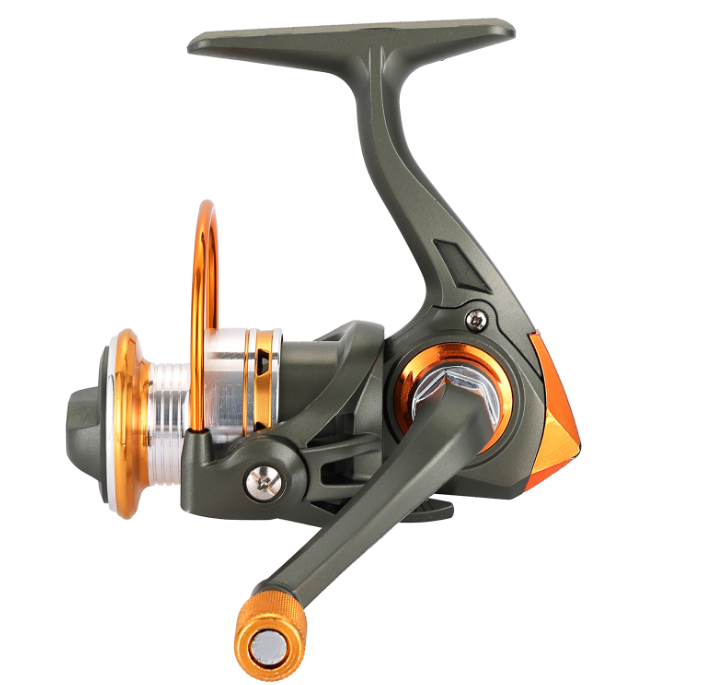
The Learning Curve Problem Every Beginner Faces
Every angler remembers the first tangle. Not the gentle kind that untwists with a few pulls, but the bird's nest—that rat's nest of line that looks like a spider on caffeine built it. For beginners, that moment often determines whether fishing sticks or the gear ends up in the garage.
Baitcasting reels sit on top of the rod and require thumb control during the cast to prevent the spool from overrunning. Miss that timing, and the backlash tangles instantly. The frustration is real, and it pushes many newcomers away before they ever feel a fish on the line. Spinning reels hang below the rod with a fixed spool that does not spin during the cast. The line simply peels off the spool lip, no thumb required, no backlash to speak of.
The difference in learning time is not small. A spinning reel gets a beginner casting with reasonable accuracy within an hour. A baitcaster often takes days of practice to avoid frequent tangles. For someone who fishes once or twice a month and wants to maximize time on the water, spinning is the smarter buy.
Handling Light Lures Without the Headache
Freshwater fishing for beginners usually means light lures. Small crankbaits, inline spinners, soft plastics on jig heads—these are the tools that catch fish without intimidating the angler. Spinning reels handle light lures naturally. The line comes off the spool in wide loops, and the momentum carries even lightweight offerings a respectable distance.
Baitcasters struggle with light lures. The spool has to start spinning fast enough to launch the lure, but light lures do not provide much resistance to get that spool moving. The result is either short casts or constant adjusting of the braking system. Neither outcome makes for an enjoyable day on the water.
The weight of the setup matters too. A spinning reel and rod combination for light freshwater work weighs noticeably less than a comparable baitcasting setup. That matters over a full day of casting. Fatigue sets in slower, casts stay more accurate, and the whole experience feels less like work.
Line Management That Does Not Require a PhD
Spooling a spinning reel is straightforward. The line goes on with even tension, the bail closes, and the reel is ready. Changing line types or switching to a different test takes minutes, not a complicated disassembly.
Baitcasters demand more attention during spooling. The line must go on under specific tension, and the spool needs to be filled to the right level—too little line and casting distance suffers, too much and the line tangles around the spool edges. The braking system requires adjustment for each new lure weight. For a beginner, that is one more variable to manage before the first cast.
Spinning reels also handle lighter line tests more reliably. Four- to ten-pound monofilament and fluorocarbon perform better on spinning gear than they do on baitcasters. That is exactly the line range most freshwater beginners use. The system works without constant tweaking, which means more fishing and less fiddling.
The Drag Advantage in the Fight
When a fish hits, the drag system becomes the most important component on the reel. A smooth drag releases line under pressure without sudden grabs that snap light line. Spinning reels, particularly those with carbon fiber multi-disc drag systems, deliver that smoothness consistently.
The drag design on spinning reels places the adjustment at the front of the spool, giving direct control over the pressure. That configuration allows for larger drag surfaces and more consistent pressure distribution across the washers. The result is smoother operation and better control during the fight.
For a beginner fighting the first decent fish, that smoothness is critical. The adrenaline is already high. The last thing needed is a drag that grabs and releases unpredictably, sending spikes of tension through the line. A smooth drag lets the beginner focus on keeping the rod tip up and the line tight, rather than worrying about whether the next head shake will break the line.
Cost and Versatility: The Practical Side
Entry-level spinning reels deliver reliable performance at a price that does not scare off newcomers. The manufacturing process for spinning reels is well-established, and competition in the space keeps prices reasonable. A beginner can get a functional spinning reel for what a mid-tier baitcaster costs.
The global fishing reels market reflects this broad appeal. The market is projected to grow from $6.02 billion in 2025 to $7.91 billion by 2031, driven in part by increasing participation in recreational angling. According to the Recreational Boating & Fishing Foundation, the number of Americans participating in fishing hit a record 57.9 million individuals, highlighting the robust demand for accessible fishing equipment. Female participation also reached a historic high of 21.3 million women in 2024, representing 37% of all anglers. These new anglers are overwhelmingly choosing spinning gear as their entry point.
The versatility of a spinning reel matters too. The same reel that works for trout in a mountain stream can handle bass in a farm pond or panfish in a city park lake. Swap the spool or change the line, and the reel adapts. That flexibility means a beginner does not need to buy multiple reels for different fishing trips. One good spinning reel covers most freshwater scenarios.
What the Data Says About Beginner Retention
The fishing industry faces a challenge that does not get enough attention: participant churn. While the sport attracts new anglers every year, a significant number drop out due to time constraints, rising costs, or limited access to waterways. Equipment that frustrates rather than facilitates only accelerates that exit.
A 2025 industry analysis identified technological innovations in durability and performance as a primary growth driver, with manufacturers increasingly using lightweight, corrosion-resistant materials and precision engineering to drive equipment upgrades. But for beginners, the technology that matters most is the technology that stays out of the way. A spinning reel does exactly that. It does not demand a steep learning curve before delivering results. It lets the beginner focus on finding fish and making good casts, not on managing equipment quirks.
| Factor | Spinning Reel | Baitcasting Reel |
|---|---|---|
| Learning Curve | Short (hours) | Steep (days to weeks) |
| Light Lure Performance | Excellent | Requires careful tuning |
| Backlash Risk | Minimal | High (bird's nests) |
| Line Test Range (Freshwater) | 2-15 lb | 8-25+ lb |
| Beginner-Friendly | Yes | No |
The conclusion from the data is clear. For a beginner who wants to enjoy fishing rather than fight equipment, the spinning reel is the obvious starting point. It removes barriers, not adds them.
A Real-World Example from the Shop Floor
A tackle shop in the Pacific Northwest tracked beginner purchases over a two-year period. Of the customers who bought baitcasting reels as their first reel, nearly 40% returned within three months to trade for a spinning reel or simply stopped coming in. Of those who started with spinning gear, the return rate for equipment frustration was under 10%. The shop owner started recommending spinning reels to every first-time buyer, regardless of what they thought they wanted. The retention rate improved noticeably.
That pattern holds across the industry. Spinning reels get beginners on the water faster, keep them there longer, and give them the confidence to keep coming back. The baitcaster has its place—for experienced anglers throwing heavy lures into tight cover, it is the right tool. But for the beginner standing in the tackle aisle, overwhelmed by choices, the spinning reel is the right call.
Manufacturers like Vigorcent have recognized this dynamic, building their production around reels that balance affordability with the performance features beginners actually need. With over two decades of reel manufacturing experience and a focus on R&D that spans materials science to precision machining, the company supplies markets from North America to Southeast Asia with equipment that gets new anglers started on the right foot.