EN
EN

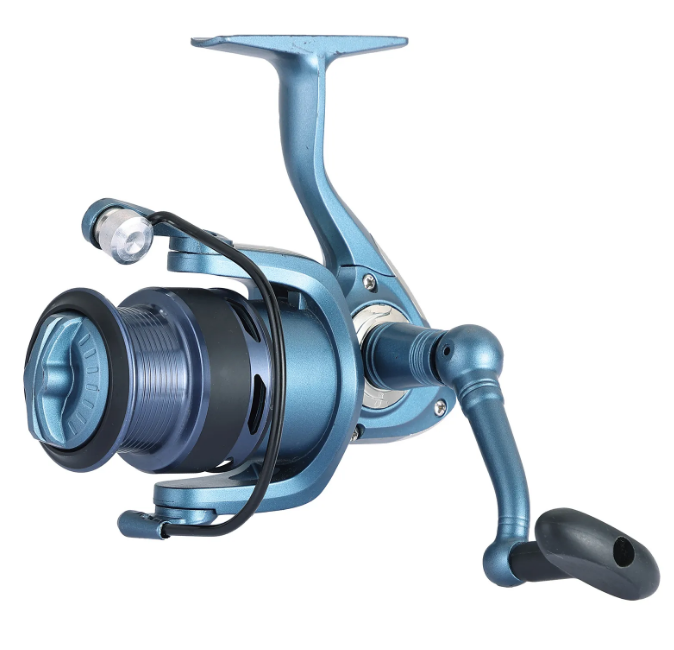
The One Accessory That Gets Overlooked Until It Is Needed
Walk into any tackle shop and look at the spinning reels on the shelf. Most come with a spare spool included in the box. But ask the average angler what they actually do with that spare spool, and the answers range from "it sits in my tackle bag" to "I honestly forgot it was there." That is a missed opportunity. A spare aluminum spool is not just a backup piece of plastic to tuck away for emergencies. It is a functional tool that changes how a reel performs across different fishing conditions.
The difference between a spare spool made of aluminum and one made of graphite or plastic is not trivial. It affects casting distance, line management, durability, and even how the reel balances in hand. For anglers who fish multiple line types or target different species in a single outing, having a second aluminum spool ready to go can transform a spinning reel from a one-trick pony into a versatile platform.
What Makes an Aluminum Spool Different from Plastic
Spinning reel spools come in two primary materials: graphite composites and machined aluminum. Graphite spools are lighter and cheaper to produce, which is why they show up on entry-level and mid-range reels. But lightweight is not the same as rigid. Graphite spools flex under load, especially when heavy line is packed on or when fighting a fish that makes hard runs. That flex changes the spool geometry, which affects line lay and casting performance.
CNC machined aluminum spools, on the other hand, maintain their shape regardless of the pressure applied. The manufacturing process cuts the spool from a solid billet of aluminum, creating uniform wall thickness and precise dimensions that a molded plastic part simply cannot achieve. That precision translates directly to performance. The spool spins truer, with less wobble. Line comes off more smoothly during casts. And the spool does not deform over time as line tension cycles up and down.
A spare aluminum spool gives an angler the same level of precision on the backup that the primary spool provides. That is not the case with plastic spare spools, which are often manufactured to looser tolerances because they are expected to see less use.
Real-World Scenarios Where a Second Spool Saves the Day
Consider a morning on a lake targeting bass with topwater lures, then switching to deeper structure as the sun climbs and the fish move down. The first setup might call for 10-pound braid with a fluorocarbon leader for casting distance and sensitivity. The second might need 6-pound monofilament for finesse presentations where line visibility matters.
Without a spare spool, that change means respooling the reel on the bank or carrying a second rod. With a spare aluminum spool, the swap takes about thirty seconds. Pop the drag knob, pull the primary spool, drop in the spare, and tighten the knob. The line is already spooled, the drag is already set, and the reel is ready to go.
The same logic applies to saltwater fishing. Running 20-pound braid for surf casting? Keep a spare spool loaded with 30-pound mono for rocky structure where abrasion resistance matters more than casting distance. The ability to switch line types without a full respool is not just convenient—it is practical. One reel, two completely different setups, and zero time wasted.
The Drag and Line Management Advantages
A less obvious benefit of a spare aluminum spool involves the drag system. On many spinning reels, the drag washers are housed within the spool itself. That means a spare spool is not just a different line holder—it is a separate drag assembly with its own set of washers. For anglers who fish in harsh conditions where drags get wet or sandy, having a spare spool means having a backup drag that is clean and ready to go.
Line management also improves with a dedicated spare spool. Braided line and monofilament have different diameters, different memory characteristics, and different casting behaviors. A spool that is optimized for braid—with a shallow, wide profile—may not handle mono as well. Having a spare spool allows each spool to be matched to the line type it will run, rather than compromising on a single spool that tries to do everything.
| Feature | Graphite/Plastic Spare Spool | Aluminum Spare Spool |
|---|---|---|
| Rigidity under load | Moderate—flexes with pressure | High—maintains shape |
| Precision machining | Limited—molded tolerances | CNC machined—tight tolerances |
| Durability over time | Prone to wear and deformation | Resists wear, long-lasting |
| Weight | Lighter | Slightly heavier, better balance |
| Drag performance | May vary | Consistent with primary spool |
When a Spare Spool Is Not Worth the Investment
To be fair, not every angler needs a spare aluminum spool. For casual fishing where one line type covers everything, the spare that comes with the reel—even if it is plastic—is probably sufficient. For anglers who fish once or twice a season and never change lines, the extra spool is just extra weight in the bag.
The value proposition changes for frequent anglers, tournament fishermen, and anyone who targets multiple species in a single trip. For those users, the time savings alone justifies the investment. The improved casting performance and durability of an aluminum spare spool over a plastic one is a bonus that pays for itself over time.
A Quick Note on Spool Interchangeability
Not all spare spools fit all reels, even within the same brand. Spool compatibility depends on the rotor size, the spindle diameter, and the drag mechanism design. Some reels are designed with interchangeable spools across different sizes—for example, a 3000 and 4000 series reel might share the same rotor, allowing spools to swap between them. Others are model-specific.
Before buying a spare aluminum spool, it is worth confirming compatibility with the specific reel model. Most manufacturers, including those producing reels through facilities like WILDWOLF, design their spinning reels with consistent spool dimensions across product families. But a quick check saves the frustration of a spool that does not seat properly or fails to engage the drag correctly.
The Bottom Line on Spare Spools
A spare aluminum spool turns a spinning reel into a modular system. It provides instant line changes, maintains consistent drag performance, and ensures that the backup spool performs at the same level as the primary. For anglers who take their fishing seriously, it is not an accessory—it is a essential part of the setup.
Brands like Vigorcent incorporate CNC aluminum spools and spare spools as standard features across their spinning reel lines, recognizing that serious anglers value the flexibility and performance that a quality spare spool provides. The extra cost of aluminum over plastic is negligible compared to the functionality gained.
Table of Contents
- The One Accessory That Gets Overlooked Until It Is Needed
- What Makes an Aluminum Spool Different from Plastic
- Real-World Scenarios Where a Second Spool Saves the Day
- The Drag and Line Management Advantages
- When a Spare Spool Is Not Worth the Investment
- A Quick Note on Spool Interchangeability
- The Bottom Line on Spare Spools