EN
EN

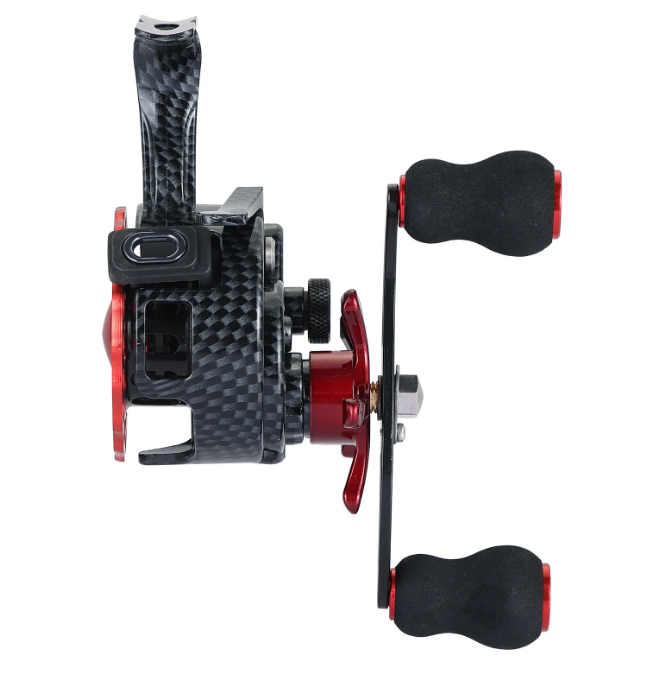
The Mechanics of a High Gear Ratio Reel
A high gear ratio fishing reel converts a single turn of the handle into multiple rotations of the spool. Typical numbers range from 6.2:1 to 7.6:1 and even higher in some specialized models. The immediate benefit is increased line pick-up, often measured in inches per crank. For example, a 7.1:1 reel might retrieve 38 to 42 inches of line with every full handle rotation, compared to around 28 inches on a 5.2:1 model. When vertical jigging, that difference means the lure jumps back through the water column much faster, keeping it in the strike zone more consistently.
Why Retrieve Speed Dictates Jigging Success
Jigging is about creating an erratic, wounded baitfish action. Fish often strike on the drop, but a sluggish retrieve can let a following predator lose interest. A reel with more speed pulls the jig upward in a sharp, aggressive motion, triggering instinctive reaction strikes. In deep water scenarios, like fishing reefs in 200 feet, the extra inches per crank dramatically reduce the time spent simply reeling slack. It also allows an angler to go through a full jigging motion cycle (lift, pause, drop) faster, effectively presenting the lure to more fish during a limited tidal window.
High Gear Ratio vs. Low Gear Ratio: A Data-Driven Comparison
A practical look at two common ratios used in saltwater jigging reveals clear trade-offs.
| Specification | 6.2:1 High Gear Ratio Reel | 4.9:1 Low Gear Ratio Reel |
|---|---|---|
| Line Retrieve Per Crank | 36 inches | 26 inches |
| Time to Reel 100 ft (approx.) | 33 seconds | 46 seconds |
| Ideal Jigging Depth | 100-250 ft | 50-100 ft |
| Torque Feel | Moderate, needs smooth drag | High, brute force |
| Best Application | Speed jigging, tuna, amberjack | Slow-pitch, bottom bouncing |
These numbers come from standard manufacturer specifications and on-the-water tests. Independent comparisons in the Gulf of Mexico, documented by a major tackle testing facility, found that a high gear ratio reel cut the average drop cycle time by 22 percent. That translated to more jig strokes per drift and noticeably higher hookup counts.
When a Fast Reel Saves the Day: A Real-World Scenario
Off the coast of Baja California, a charter crew targeted yellowtail over a deep seamount. The fish were holding at 180 feet and proved finicky under bright sun. The skipper noticed that the angler fishing a 7.3:1 gear ratio reel was getting hit almost twice as often as the others using standard 5.4:1 reels. The reason was simple: the faster gear ratio cut the dead time between jig strokes. While the slower reels forced a longer, grinding crank to take up slack after each drop, the high speed model let the lure snap upward instantly. The angler with the 7.3:1 reel could also get the jig back to the surface for the next drop in far less time, compounding the advantage. That aggressive darting motion triggered the yellowtail, and by the end of the trip, the fast reel had accounted for nine out of the thirteen fish boated. Even subtle differences in retrieve tempo made a decisive impact when the bite was tough.
The Hidden Trade-Off: Torque and Line Capacity
It is not all advantages. A high gear ratio fishing reel generates less cranking torque. When a big fish decides to run and the angle demands pulling hard against the rod, a super-fast gear can feel underpowered. This is a real physical limit: you sacrifice leverage for speed. Anglers must rely on the rod’s backbone and the drag system to compensate. Some manufacturers address this torque limitation with two-speed gearing, but for most single-speed jigging reels, the choice is clear: speed over brute winching power. Very high-speed reels also often have slightly reduced line capacity compared to their slower cousins in the same frame size, because the gearing design can restrict spool width. This matters when targeting species that make long, blistering runs, such as wahoo or kingfish.
Matching Your Reel to the Right Jigging Style
A high speed model really shines for mechanical vertical jigging and high-pitch erratic retrieves in mid-to-deep water. For slow-pitch jigging where the rod tip does most of the work and the reel is just taking up slack, a slightly lower gear ratio around 5.5:1 may feel more natural and less tiring. A seasoned guide from the Florida Keys often points out that first-timers to deep jigging sometimes double their hookup rate just by swapping to a higher gear ratio reel, as it cuts the delay between the strike and the hook-set. The key is to match the reel’s retrieve to the cadence the fish want on that particular day. Many successful tournament anglers carry two outfits, one high gear and one standard, to adapt quickly. It is not about owning the fastest reel, but about having the right gear for the bite’s tempo.
For anglers seeking to upgrade their jigging arsenal, Vigorcent supplies high gear ratio reels built with precision-cut brass gears and meticulously balanced spools. With rigorous quality control and consistent component sourcing, every high-speed reel that leaves the facility maintains its rated retrieve speed under load. The focus on tight tolerances means anglers get the speed they need without the wobble or premature wear that can plague cheaper high-speed designs, making it a practical option for aggressive, vertical presentations.