EN
EN

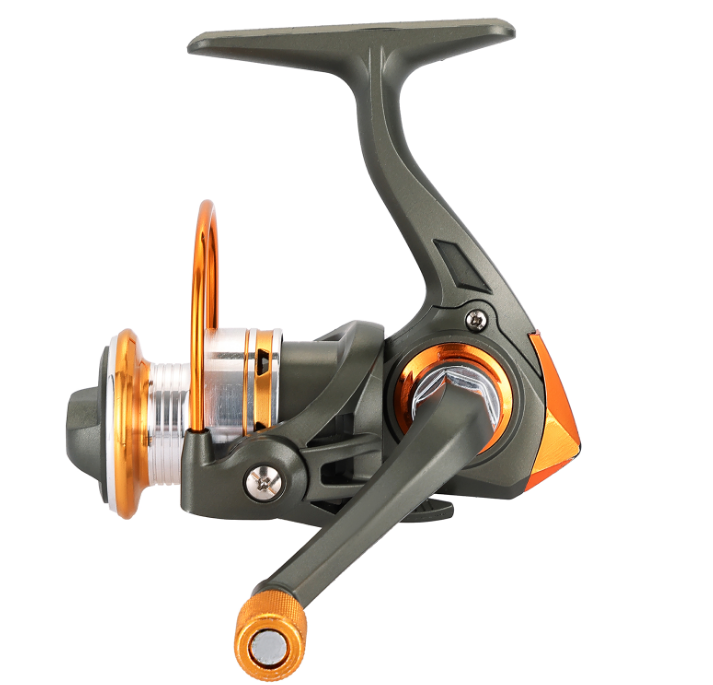
Eliminates Line Twist for Truer Lure Action and Enhanced Bite Detection
How inline spool alignment prevents torsional stress during vertical jigging
Inline ice fishing reels align the spool axis directly with the rod guides—creating a straight-line path from the rod tip to the lure. Unlike spinning reels, where line exits at a 90-degree angle and wraps around a bail arm, inline reels eliminate bending or rolling contact points. This geometry prevents torsional stress from building in the line during repeated drops. Without accumulated twist, lures maintain neutral orientation as they fall, delivering consistent flutter, dart, and shimmy actions exactly as designed. That mechanical fidelity is essential when targeting finicky panfish or suspended walleye, where even minor deviations in lure behavior can mean the difference between interest and indifference.
Why reduced line twist improves sensitivity to subtle panfish bites and lure flutter
A twist-free line transmits vibration with minimal loss—acting like a taut wire rather than a coiled spring. Spinning reels introduce cumulative twist that dampens and masks the faintest taps of crappie or perch. With an inline reel, the line lies flat and stable on the spool, preserving direct kinetic feedback from lure to hand. You feel not only the delicate “tick” of a tentative bite but also the precise rhythm of your jig’s descent: whether it’s a slow glide or rapid pulse. This heightened tactile awareness enables real-time adjustments—slowing the drop, adding a twitch, or setting the hook before hesitation costs the catch—especially critical in midwinter when strikes are soft and infrequent.
Delivers Straight-Down Presentation and Micro-Depth Control
Mechanical advantage: Zero lateral deviation from direct line path to lure
The inline design ensures the line travels in a perfectly vertical column from rod tip to lure—no lateral offset, no guide-induced friction, and no delayed response from slack or twist. This eliminates the side-drag and inconsistent tension common with spinning reels, allowing every rod-tip movement to translate instantly into vertical lure motion. For fish suspended directly beneath the hole—common with walleye and schooling panfish—this precision means the lure stays in the strike zone longer and reacts predictably to cadence changes. Reduced friction across guides also maintains constant line tension throughout the drop, preventing subtle resistance that might spook wary fish in clear, shallow ice water.
Instant free-spool response enables precise drop-speed modulation for walleye vs. crappie
Inline reels feature ultra-low-inertia spools and responsive thumb-controlled free-spool engagement—enabling instantaneous start/stop line release with fingertip pressure. This allows true micro-depth control: gentle thumb drag for a slow, wounded-baitfish flutter ideal for lethargic walleye; or full free-fall for aggressive crappie strikes in cold, oxygen-rich water. Unlike spinning reels—whose drag systems introduce variable tension and line twist—inline designs deliver repeatable, predictable fall rates without re-rigging or gear adjustment. The result is seamless adaptation between species and conditions, all within a single drop.
Optimized for Core Ice Jigging Scenarios: Panfish, Walleye, and Low-Light Conditions
Inline reels are purpose-built for the three most demanding ice jigging contexts: panfish finesse, walleye power-jigging, and low-light or stained-water situations. For panfish, the direct line-to-lure connection and instant free-spool let you animate tiny tungsten jigs with lifelike subtlety—and detect the barely-there inhale of a crappie or perch before it retreats. When targeting walleye, zero lateral deviation and precise speed modulation keep heavy spoons and Rapalas moving cleanly through the strike zone, free from twist-induced wobble or cadence breakdown. In low light—dawn, dusk, or snow-covered skies—the enhanced sensitivity from torsion-free line transmission turns faint ticks and subtle weight shifts into actionable signals, converting tentative nibbles into solid hooksets. This integration of mechanical precision, tactile clarity, and adaptive control makes a quality inline reel indispensable for serious ice anglers.
When a Spinning Reel Falls Short: Limitations in True Ice Jigging Performance
Situational utility vs. functional mismatch: Why spinning reels compromise jigging precision
Spinning reels remain popular for general ice fishing—especially live-bait rigs—but their fundamental architecture creates a functional mismatch for vertical jigging. The bail-and-roller system introduces unavoidable line twist with each crank, degrading lure action and dulling sensitivity over successive drops. Cold temperatures worsen this: frozen bail springs, stiffened grease, and sluggish drag response increase downtime and reduce reliability. While spinning reels offer smoother drag performance for hooked fish, they lack the immediate free-spool control, straight-line path, and torsion-free transmission required for high-precision jigging. An inline ice fishing reel isn’t just an alternative—it’s a deliberate engineering solution to the unique demands of modern ice jigging: direct contact, real-time responsiveness, and unwavering consistency.