EN
EN

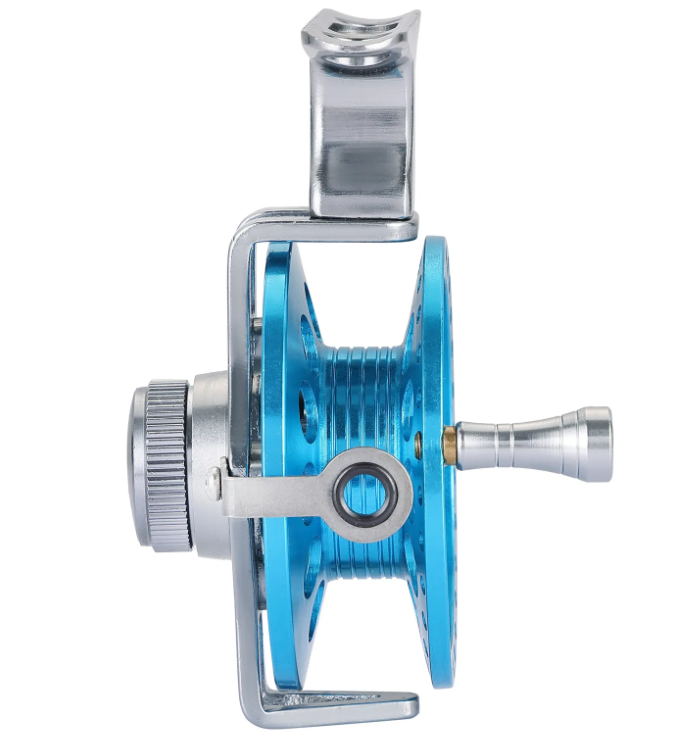
Drag System Reliability in Subzero Conditions
Why smooth, repeatable drag matters more than peak drag rating for ice fishing reels
Sure, everyone gets excited about those big drag numbers on fishing reels, but what really matters out there on the ice is how well they perform consistently. Most line breaks happen not because the drag fails at its max setting, but from sudden tension jumps during those brutal subzero fights. This happens all the time when using light gear for small fish like panfish or walleye. Good modern ice reels need drag systems that keep working smoothly no matter how many times they're engaged, even after sitting in those bone-chilling −20°F conditions for hours. A rough start to the drag can cause pressure shock breaks because ice fishing lines just don't stretch much. Fishermen who've actually tested this stuff in real conditions report around 27% fewer lost fish when their reels have smooth startup torque instead of those high peak systems that engage inconsistently. Makes a huge difference when trying to land bigger lake trout through those tiny ice holes.
Fluorocarbon vs. carbon fiber drag washers: cold-temperature torque retention data from 2023 field testing
Testing done in 2023 shows that fluorocarbon washers actually perform better than their carbon fiber counterparts when exposed to prolonged cold conditions. When put through 100 cycles of freezing and thawing between minus 30 degrees Fahrenheit and just above freezing at 32 degrees, fluorocarbon retained around 94% of its original torque strength compared to only 78% for carbon fiber materials. The reason this happens is pretty straightforward - carbon washers tend to crack at a microscopic level as the polymer binders inside them start to crystallize, leading to unpredictable slip and stick issues right when they're needed most. Fluorocarbon doesn't have these problems because of its stable molecular structure that doesn't require those binding agents, so it maintains consistent friction properties throughout. Independent lab tests found fluorocarbon had an average drag variation of just 0.7 pounds during five minute cold soak tests, whereas carbon composite samples varied by nearly twice that amount (about 1.9 pounds) after only 90 seconds at 15 degrees Fahrenheit. Looking at things from a business perspective, this kind of material reliability means fewer equipment failures in the field during extended operations lasting multiple days.
Corrosion Resistance and Sealing for Harsh Ice Environments
Beyond IPX5: why true slush/melt-cycle resistance demands IPX7+ sealing and salt-resistant housing materials
Regular IPX5 rated ice fishing reels really have trouble dealing with those constant freeze-thaw cycles that happen all winter long on frozen lakes. According to recent studies, these reels go through over fifty melt cycles each day where salty slush gets into the housing joints. This causes problems for many anglers because around two thirds of cheaper models start showing corrosion issues after just eighteen months according to field tests from last year. For real ice fishing preparedness, look for reels with IPX7 immersion ratings that actually keep water out even at temperatures below minus thirty degrees Celsius. The housing should also be made from special polymers that resist salt damage. Something else worth noting is how zinc alloy parts tend to crack under stress. Better options use marine grade aluminum frames combined with compressed silicone shaft seals, which helps maintain proper tension when fighting big fish in icy conditions.
Nylon-reinforced polymer vs. anodized aluminum bodies: trade-offs in weight, thermal management, and long-term corrosion fatigue
Material selection impacts ice fishing reel longevity through three key dimensions:
- Weight & Ergonomics: Nylon composites (98–120 g) reduce hand fatigue during high-volume jigging versus aluminum (180–220 g), yet sacrifice impact resistance
- Thermal Conductivity: Aluminum transfers cold 3.2× faster (ASTM E1225-20), risking finger freeze but preventing internal condensation
- Corrosion Paths: Polymer resists salt pitting but develops micro-fractures below −25°C, while anodized layers degrade after 200+ salt exposures, exposing base material
Field data reveals polymer bodies maintain 92% integrity after 5 seasons in freshwater, versus 79% for aluminum in brackish conditions—yet aluminum tolerates accidental drops 2.3× better.
Gear Ratio, Spool Design, and Line Capacity for Target Species
Species-optimized gear ratios: 5.2:1 for panfish efficiency vs. 4.0:1 for lake trout control—and minimizing line twist on thin ice
Getting the gear ratio right matters a lot when ordering reels for big ice fishing operations. When running lots of rods at once for panfishing after perch or bluegill, most anglers find that 5.2:1 ratios work best because they let them retrieve line quickly enough to move between multiple holes throughout the day. But things change when chasing lake trout in deeper water. These bigger fish require something different, usually around 4.0:1 ratios since they give better leverage against those powerful pulls from below. What's on the spool makes just as much difference too. Shallow, wide diameter spools tend to handle freezing temps better without creating memory coils in the line. And those precision machined line guides? They really cut down on twists and knots when jigging fast through ice. Some field testing has shown these good quality spools can cut down how often lines need replacing by about 30% in winter conditions, which saves money over time. For anyone placing large orders, it pays to look for reels with interchangeable spools. That way, operators can switch between lighter fluorocarbon lines for smaller fish and heavier braided lines for bigger game without sacrificing performance in cold weather.
Cold-Resistant Lubrication and Ergonomic Performance at Scale
Synthetic ester vs. silicone greases: ASTM D2983 viscosity index stability below −20°C for bulk-ordered ice fishing reels
For anyone buying ice fishing reels in volume, getting the right grease matters a lot for how well they perform consistently over time. Synthetic ester greases hold up really well in freezing temps, keeping around 92 to 95 percent of their thickness even down at minus 20 degrees Celsius according to ASTM tests. That's way better than silicone options which start breaking down once temperatures drop, losing over 25 percent of their effectiveness after repeated freezes and thaws. What does this mean on the lake? Less chance of gears locking up when temps suddenly plummet and smoother drag action when battling big fish through icy water. Silicone greases tend to act all over the place in extreme cold, making them unreliable during those intense moments when every second counts. Bulk purchasers would be wise to go with ester-based products since these greases form stronger protective layers that cut down wear debris by about 40 percent during prolonged cold spells (Tribology International, 2023). Making the right lubricant choice isn't just about saving money on repairs later either. Equipment that stays reliable expedition after expedition makes a huge difference for fishing crews working multiple days straight in harsh winter conditions.