EN
EN

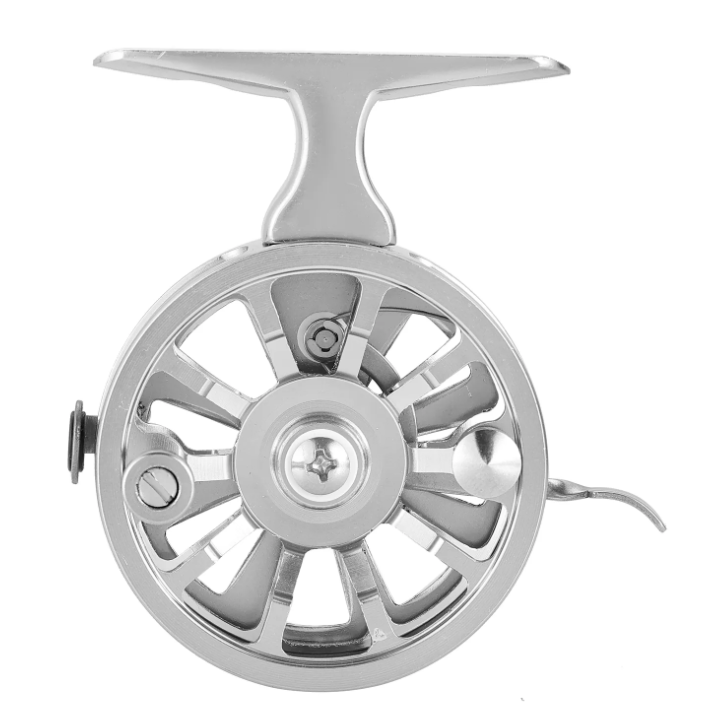
Verify Engineering Integrity Through Certified Production and Material Transparency
ISO-certified manufacturing vs. outsourced assembly: impact on gear mesh precision and feeder fishing reel longevity
Facilities with ISO 9001 certification tend to have about 47% better control over gear tolerances compared to those without certification, which really helps improve how long reels last and keeps drag performance consistent when put under pressure. When manufacturers handle everything in house, they can maintain consistent heat treatment for drive gears something that makes a big difference in getting smooth and reliable drag action every time. On the flip side, when parts are assembled elsewhere, there's more room for inconsistencies in how components line up and get processed thermally. This kind of variability tends to speed up wear and tear, making failures happen sooner rather than later. According to a recent 2023 study looking at material integrity, reels made at certified factories actually held up nearly three times longer during those tough saltwater stress tests. So it looks like strict production standards aren't just nice to have they're pretty much essential if we want equipment that stands up to real world conditions.
Traceability of critical components—CNC-machined spools, corrosion-resistant bearings, and drag washers used in feeder fishing reels
Component traceability via EN 10204 3.1 certificates verifies the use of authentic marine-grade alloys throughout reel construction. Suppliers who document the full material journey—from billet sourcing to finished part—enable precise verification of:
- CNC-machined spool concentricity (₤0.01mm variance)
- PMI (Positive Material Identification) testing for corrosion-resistant bearings
- Drag washer polymer composition against declared specifications
Industry data shows 3% of untraceable components fail within 12 months (Ponemon Institute, 2023), underscoring why transparency is non-negotiable for mission-critical parts. Leading manufacturers now integrate blockchain-ledger systems to provide real-time, tamper-proof validation of precision engineering standards.
Assess Real-World Reliability via Independent Testing and Angler Validation
Why lab-tested torque consistency and saltwater corrosion resistance matter for feeder fishing reel durability
When it comes to fishing gear, independent lab testing gives us something real to hang our hats on instead of just what companies say about their products, particularly regarding how consistent the torque remains and how well components resist saltwater corrosion. Saltwater actually causes problems for around 42% of all reel failures according to the Angling Trust from last year, so those corrosion resistant bearings really aren't just nice to have anymore, they're pretty much mandatory if we want our equipment lasting at all. The whole point of standardized torque testing is basically to see if a feeder reel can keep that smooth drag going even when pressure builds up over time, which matters a lot when anglers are trying to land big carp or barbel species. Reels that come with ISO 9001 certification tend to last way longer than ones without it because manufacturers follow strict testing protocols. Some studies show these certified reels can last three times longer than their uncertified counterparts, making the extra cost worth considering for serious anglers.
How UK and EU coarse fishing communities validate performance claims—beyond manufacturer specs
Seasoned anglers across UK match fishing clubs and European coarse fisheries provide irreplaceable field validation through extended, real-condition use—often exceeding 200+ hours per reel. Their documented observations include:
- Spool alignment stability after repeated long-distance casting
- Bearing smoothness in silt-laden canals and weedy reservoirs
- Drag washer performance in sub-zero winter conditions
What we find out pretty much always shows there's a big difference between what manufacturers say in their catalogs and what actually happens in real life. Take those reels advertised as "sealed" for instance. They tend to let water in when used for hours in the rain or stuck on muddy riverbanks something most labs never really test for. Real world testing like this gives another angle to all the fancy lab tests, showing if a product can really stand up to what anglers face day after day on the water.
Evaluate Supplier Trustworthiness Through Warranty Ethics and After-Sales Maturity
Decoding warranty terms: '5-year limited' vs. 'lifetime service commitment' for feeder fishing reel support
What a warranty says tells us a lot about how confident engineers are in their work and what kind of responsibility they take seriously. Most so called "5 year limited" policies really only protect against factory flaws, leaving out normal wear and tear stuff like drag washers and bearings entirely. When looking at something labeled as a true "lifetime service commitment," we're talking about actual ongoing support that includes regular bearing changes, spool refinishing jobs, and making sure those drag systems stay properly calibrated over time. This shows real dedication to taking care of products throughout their whole life cycle. Fishermen need to pay close attention to any clauses about corrosion damage, particularly if fishing regularly in saltwater environments. Also worth checking if there's an expectation of yearly maintenance visits to keep the warranty valid. Companies that cancel coverage when customers use non OEM parts just don't get it right. Smart buyers look for brands that actually put detailed warranty information somewhere easy to find online instead of hiding behind fancy marketing phrases nobody understands.
Response time, spare parts availability, and multilingual technical documentation as reliability indicators
When companies offer good customer support, equipment stays running longer. The best suppliers get back on technical problems usually within a day or so. Spare parts matter too, especially things like those special corrosion resistant bearings and those precision machined spools. When these parts are constantly out of stock, it shows something's wrong with how the supplier manages their supply chains. Technical manuals that come in multiple languages tell a lot about whether a company really supports customers worldwide. Fishermen all over Europe need this kind of documentation to keep their gear working properly. Diagrams with clear pictures, particularly ones showing how to put together drag systems after repairs, make all the difference for people trying to fix things themselves. These visuals cut down on repair costs over time. All these factors combined create real evidence of reliable operations, something that no fancy spec sheet can truly capture.