EN
EN

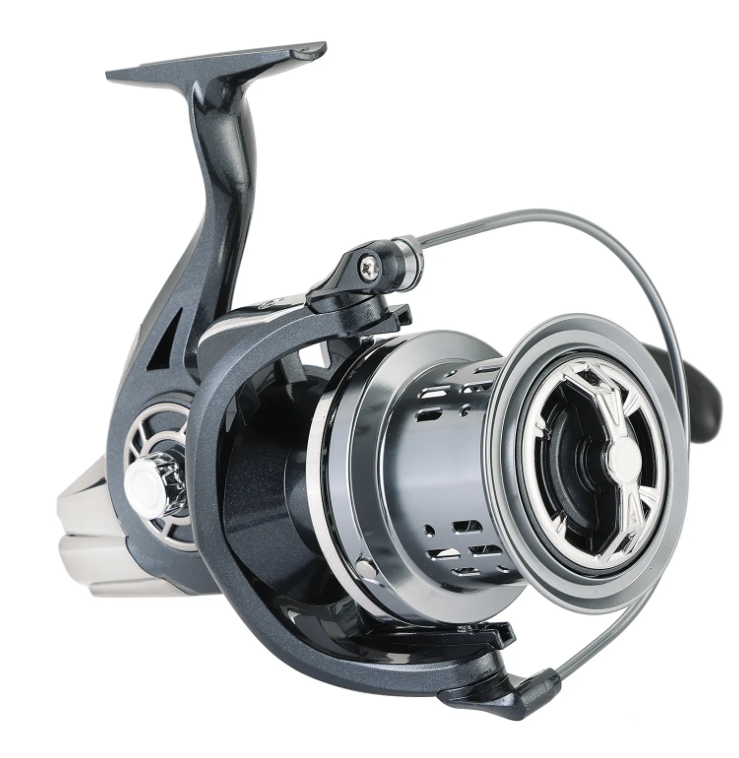
Build Quality and Material Construction for Commercial Durability
Aluminum vs. magnesium frames: weight, corrosion resistance, and thermal stability in high-volume use
What kind of frame material gets used makes all the difference when it comes to how long reels last in business operations. Marine grade aluminum stands out because it fights off corrosion really well and doesn't need much upkeep at all, which is why most rental companies go for this option when their equipment faces salt water, damp air, and constant touching from customers. Magnesium frames weigh about 15 to maybe even 25 percent less than aluminum ones, so workers don't get tired as quickly carrying them around. But there's a catch here too since these magnesium frames need special coatings applied if they're going to survive in those harsh coastal conditions without getting damaged by pits forming on the surface. When things heat up during long casting periods, aluminum stays stable dimensionally even when temperatures climb past 120 degrees Fahrenheit or so, something magnesium just can't match because it expands more when hot.
Gear and bearing specs: stainless steel vs. brass gears; ABEC-5 vs. shielded ceramic bearings in baitcasting reel fleets
Component selection dictates maintenance intervals and failure rates across commercial fleets:
| Material | Durability | Maintenance Needs | Ideal Use Case |
|---|---|---|---|
| Stainless steel | 8,000+ hours | Quarterly oiling | Saltwater/tournament fleets |
| Brass alloys | 5,000-hour lifespan | Monthly servicing | Budget freshwater operations |
Ceramic bearings with shields beat standard ABEC-5 bearings when it comes to resisting grit, which means they last about 40% longer according to tests done on boats used for charters and tournaments. Fishing reels that have both stainless steel gears and these shielded ceramic components tend to stay functional around 50% longer during heavy use in commercial fishing operations. Three different companies running fleets reported this extended lifespan based on their maintenance records over several years.
Performance Engineering: Gear Ratios, Braking Systems, and Spool Design for Consistent Baitcasting Reel Operation
Optimal gear ratios (6.1:1–6.5:1) for versatility across lure types and operator fatigue reduction
For commercial baitcasting operations, medium gear ratios ranging from around 6.1 to 6.5 provide just what most anglers need. These setups give enough power to handle those tough jobs with big crankbaits or heavy jigs, yet still allow for quick retrieves when chasing fish that hit fast. According to some field tests on ergonomics, folks using these mid-range gears report about 22 percent less tiredness after long days on the water compared to those stuck with super fast models above 7.1. This means fewer aches and pains from constant casting motions, all while keeping up with what the job demands performance wise.
Magnetic vs. centrifugal braking: calibration stability, serviceability, and performance consistency in multi-reel deployments
Magnetic braking systems are much better when it comes to staying calibrated and being easy to maintain, especially important for businesses that rely on these systems day in and day out. Centrifugal brakes tend to need constant readjustments in places where there's lots of moisture or salt in the air because springs lose their tension over time and bushings start wearing down. Magnetic systems tell a different story though. Tests done in actual working conditions show they keep about 94% of their initial accuracy even after over 500 casting cycles. That's pretty impressive compared to around 78% accuracy for centrifugal brakes after similar usage. Plus, the dial adjustments on magnetic systems don't require any tools at all. This means technicians can tweak settings right there on site without having to wait for spare parts or special equipment. For companies managing multiple reels at once, this saves a ton of time. Some operations report cutting service interruptions by as much as two thirds when switching from centrifugal to magnetic systems.
Operational Reliability: Drag Performance, Line Capacity, and Real-World Serviceability
Minimum line capacity (120 yds of 12-lb braid) and drag curve consistency for tournament prep and rental fleet durability
For commercial baitcasting operations to run smoothly, there are really just two things that simply cannot be compromised: at least 120 yards of 12 lb braided line capacity, plus drag systems that work without any hysteresis issues. When reels can hold that much line, anglers don't have to stop fishing halfway through fighting big fish, which makes all the difference for tournaments and keeping customers happy. The drag system needs to apply even pressure throughout its whole range too. If the drag curve isn't consistent, lines snap suddenly when pressure spikes, and studies show rental companies lose about 19% more gear overall when they skip this spec. Modern drag stacks that anyone can fix in the field are another game changer. These single screw designs let technicians swap out carbon washers in less than 90 seconds flat. That means instead of spending 20 minutes back at the shop, mechanics can handle most repairs right there on the water, turning what used to be a major downtime issue into something as simple as changing tires on a race car.
Commercial Procurement Strategy: Bulk Sourcing, Warranty Enforcement, and After-Sales Support for Baitcasting Reel Fleets
Procurement managers face critical decisions when scaling baitcasting reel fleets. Bulk purchasing offers volume discounts but introduces supply chain risks—especially when warranty enforcement and technical support are compromised.
Authorized distribution vs. gray-market imports: warranty validity, spare parts lead times (17 vs. 72 days), and long-term TCO
Going through official distribution channels means getting real warranties that actually hold up, access to trained technicians when needed, and knowing where spare parts will come from without surprises. These things matter because they help protect business income when dealing directly with clients. Sure, gray market stuff might look cheaper at first glance sometimes around 30% less expensive but there's a catch. The manufacturer warranty gets nullified completely, and this puts entire vehicle fleets at risk of sitting idle for weeks on end. When something breaks down, authorized distributors typically fix problems within about two weeks. Gray market alternatives? They can take over two months to get replacement parts delivered. And every single day those vehicles sit unused, companies lose approximately $1,200 in potential bookings. Looking at actual data from five different boat rental businesses over three years shows something interesting too. Those who stick with authorized suppliers spend roughly 22% less overall during the life of their equipment. Why? Because there's less time wasted waiting for repairs, standard procedures are followed consistently, and there are service centers located strategically throughout regions. Boat operators should definitely look for partners who have written agreements about how fast parts arrive and commit to sending out qualified technicians when called upon.
Table of Contents
- Build Quality and Material Construction for Commercial Durability
- Performance Engineering: Gear Ratios, Braking Systems, and Spool Design for Consistent Baitcasting Reel Operation
- Operational Reliability: Drag Performance, Line Capacity, and Real-World Serviceability
- Commercial Procurement Strategy: Bulk Sourcing, Warranty Enforcement, and After-Sales Support for Baitcasting Reel Fleets