EN
EN

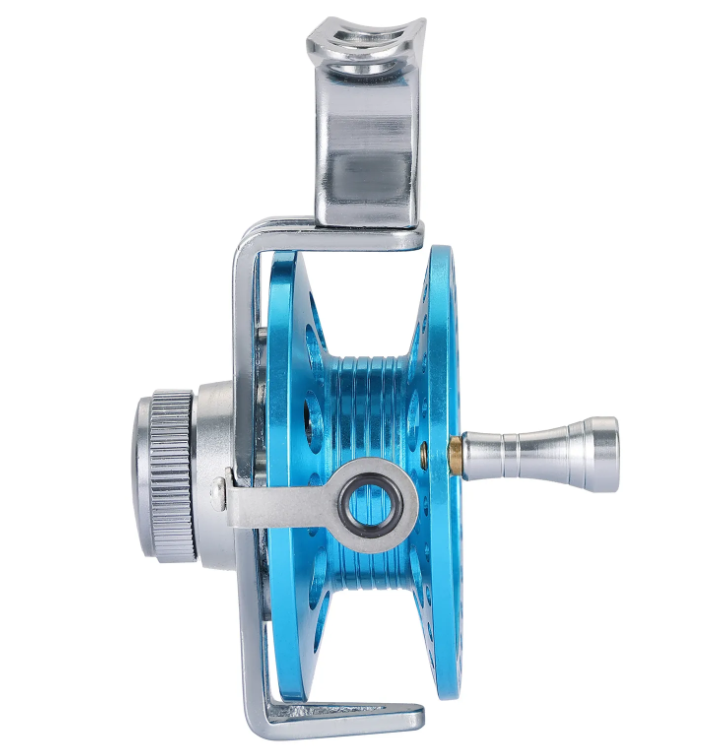
Core Build Quality: Materials and Corrosion Resistance for Carp Fishing Reels
Aluminum, Graphite, and Composite Bodies: Weight, Rigidity, and Freshwater Durability Trade-Offs
The material used for reel frames makes a big difference in how long they last and how well they perform when chasing freshwater carp. Aluminum is super rigid and resists corrosion really well, which is great when fighting those big fish, but let's face it, aluminum reels can get pretty heavy after hours on the water. Graphite is lighter and cheaper too, with decent strength for most situations, although some anglers notice it bends a bit when subjected to really intense pressure from large specimens. The newest stuff on the market combines polymers with various reinforcing fibers. These advanced composite materials give almost the same toughness as aluminum without carrying around all that extra weight, making them increasingly popular among serious carp fishermen who want both durability and comfort during long days at the lake.
| Material | Weight | Corrosion Resistance | Rigidity | Best For |
|---|---|---|---|---|
| Aluminum | High | Excellent | High | Big-carp battles |
| Graphite | Low | Moderate | Medium | All-day comfort |
| Composite | Medium | High | High | Balanced performance |
Regardless of material choice, sealed joints are non-negotiable: moisture ingress causes 74% of premature reel failures in vegetated waters (Angling Trust 2023).
Sealed Bearings and Anodized Finishes: Preventing Degradation in Muddy, Vegetated Carp Waters
Exposed reel mechanisms tend to break down pretty quickly when silt, algae, and all sorts of organic stuff get into them. That's why multi-lip sealed bearings are so important for keeping those tiny particles out of the moving parts. These bearings really work wonders at maintaining smooth operation, even when equipment gets submerged multiple times. Speaking of materials, anodized aluminum creates this tough protective layer on its surface. This layer doesn't conduct electricity and stands up well against corrosion caused by changing water chemistry. We see this kind of corrosion problem all over the place in UK reservoirs and throughout various European lakes where water conditions fluctuate quite a bit.
Stainless steel hardware won't pit over time, so that's a big plus. Add ceramic coated line rollers too since they cut down on heat buildup from friction. And don't forget those labyrinth seals which keep mud out of the spool assemblies. When all these components work together, maintenance doesn't need to happen nearly as often as with regular unsealed systems in areas where there's lots of silt in the water. Maintenance intervals actually last about three times longer according to field tests. After getting equipment wet, always check how consistent the drag remains. Those little washers inside can get contaminated with grit and lead to all sorts of problems when fighting for a really nice catch.
Carp-Specific Performance Engineering in Fishing Reels
High-Capacity Spools and Line Management Systems for Long-Distance Casting and Snag-Free Retrieval
For serious carp anglers, getting hold of a reel that can take at least 300 yards of 15 to 25 pound test line is pretty much a must if they want to cast out to those far off feeding spots in big reservoirs, winding rivers, or expansive lakes. Modern tackle has come a long way with bigger line rollers and guides designed to resist tangles, which cuts down on friction when letting the lure fly and keeps things running smoothly even when pulling through thick weed beds or around old logs underwater. Anyone who's ever fought a big carp against heavy cover knows how important this stuff really is. These features literally cut down on broken lines during those intense battles near structures, so both tournament fishermen and folks working commercial fisheries just cant do without them anymore.
Smooth, Heat-Resistant Drag Systems (12–15kg+): Thermal Stability Under Sustained Big-Carp Pressure
When trophy carp put up a fight, they can push against the tackle with pressures well over 12kg and keep it going for more than twenty minutes straight. Most regular freshwater drag systems just can't handle this kind of stress. They tend to start overheating once the pressure hits around 10kg mark, which causes all sorts of problems like sudden friction jumps, uneven resistance feel, and sometimes even breaks the fishing line. That's why specialized carp drag systems have been developed. These use special ceramic composite washers along with better designed heat management components so anglers get smooth, reliable drag performance during those long battles with big fish.
| Drag Type | Standard Load Rating | Thermal Tolerance | Result Under Prolonged Load |
|---|---|---|---|
| Standard | Up to 10kg | Moderate | Friction spikes, jerky release |
| Carp-Specific | 12–15kg+ | High | Consistent resistance, smooth runs |
This thermal stability prevents the friction-related inconsistencies responsible for 38% of landing failures in heavy-vegetation scenarios.
Wholesale Brand Evaluation: Reliability, Serviceability, and Field-Proven Carp Fishing Reel Longevity
Major Manufacturers: Warranty Coverage, Global Service Networks, and Spare Part Availability for B2B Buyers
Top manufacturers around the world stand behind their carp reels with solid 3 to 5 year warranties, which really takes the risk out of buying in bulk for retailers. These companies have built up service networks across continents, so when something goes wrong, most authorized repair centers can fix it within two days flat, keeping anglers on the water instead of waiting around. What's even better is that important spare parts like drag washers, rotor assemblies, and those pesky line rollers will still be available for at least seven years after a model gets discontinued. This makes field maintenance much cheaper in the long run. Real world testing at carp fisheries throughout Europe shows that branded reels last almost twice as long as cheap knockoffs before needing replacement parts again.
Specialist Brands: Niche Durability Advantages and Volume Discount Structures
What sets specialist brands apart? Their focus on specific engineering solutions makes all the difference. Take triple sealed bearings for instance these stop dirt and debris from getting inside when fishing in muddy or weedy areas. And those heavy duty drive shafts? They can handle repeated loads over 15kg without bending or breaking. When buying in bulk, most companies offer volume discounts. Orders above 100 units usually get around 15 to 25 percent off retail prices, plus they often work out payment plans that help manage cash flow better. Service availability does vary by region though. Big name brands tend to have hundreds of service centers worldwide, while specialty manufacturers generally maintain about 50 to 100 locations. Some interesting research shows what many anglers already suspect specialist reels stay significantly cooler during long battles with big fish. Thermal imaging reveals a temperature difference of about 22 percent compared to standard models, which means parts last longer before needing replacement.
Total Cost of Ownership Analysis for Wholesale Buyers
When it comes to wholesale purchasing, the true cost of something isn't just about what's on the price tag. Buyers need to consider how long equipment lasts, how often it needs fixing, and when parts start wearing out because of exposure to fresh water. Take fishing reels for example. One might cost 20 percent less at first glance, but if it gets corroded or develops seal problems so frequently that it needs replacing every other year instead of lasting three or four years, the math changes completely. The cheaper option ends up costing around 35% more over time simply because replacements become routine rather than occasional events. Smart buyers factor all these variables into their decision making process.
Key TCO drivers include:
- Maintenance cycles: Sealed-bearing systems cut annual servicing costs by ~40% versus unsealed alternatives
- Failure rates: Military-grade anodization correlates with 2.5— longer functional lifespans in muddy conditions
- Opportunity costs: Seasonal downtime erodes retailer trust and impacts revenue—especially during peak carp seasons
Prioritizing reels with extended warranties, modular repairability, and verified longevity data enables wholesalers to avoid false economies. Disciplined TCO analysis ensures high-volume sourcing decisions align with real-world durability—not just initial cost.