EN
EN

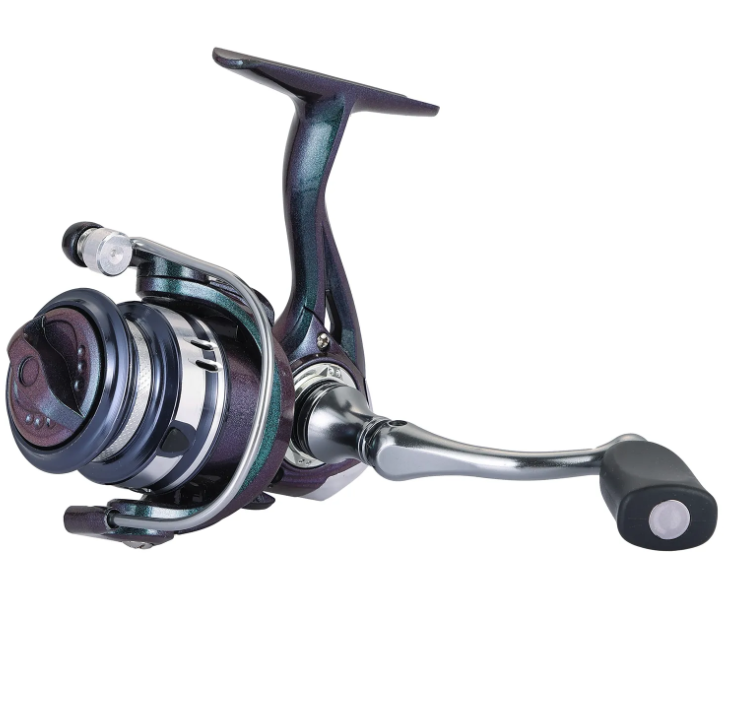
Spool Design and Line Capacity: Optimizing Performance for Commercial Use
How Spool Geometry Impacts Line Lay, Memory, and Casting Efficiency
The size of the spool and how the lip is designed really makes a difference when it comes to how well commercial spinning reels perform. Bigger spools tend to cut down on those annoying line loops when casting, which means about 15 to 20 percent less air resistance than smaller ones according to some recent field tests from last year. This also helps anglers cast further out over big bodies of water. Manufacturers have been working on special coatings for the lips that make releasing the line smoother. At the same time, they've started adding texture to the spool surface so braided lines don't slip around anymore without needing that extra monofilament backing layer. What matters most though is getting the shape right. When the geometry works properly, the line lays evenly on the spool instead of forming coils that just ask for trouble when reeling in after lots of casts.
Line Capacity Standards by Target Species and Operational Environment
When choosing spool capacity, commercial anglers consider both the target species' depth range and what the environment throws at them. For pelagic tuna work, most pros go with around 400 yards or more of 50 to 80 pound braided line since these fish can run deep for hundreds of meters without stopping. Nearshore snapper fishing typically needs much less space on the reel, often just about 200 yards worth of 30 pound line will do. Saltwater gear simply must hold up though. Nearly all top quality commercial reels come with anodized aluminum spools that pass those tough ASTM B117 salt spray tests. Getting the right amount of line on there matters a lot. Too much and casting becomes inefficient, too little and the line might snap when fighting big fish for extended periods.
Drag System Reliability: Critical for High-Volume Saltwater and Charter Operations
In commercial saltwater fishing and charter operations, drag system failure isn’t an inconvenience—it’s catastrophic. High-volume scenarios demand reels that maintain consistent drag pressure through prolonged battles, where thermal buildup and salt corrosion relentlessly test engineering limits.
Thermal Stability and Consistent Drag Pressure Under Sustained Load
Fighting big ocean fish puts serious strain on drag systems. Temperatures often go above 200 degrees Fahrenheit (around 93 Celsius), which can cause carbon fiber washers to become glazed or crack ceramic parts, leading to unpredictable drag performance. The best reels these days come equipped with multi disc carbon matrix drag systems and specially designed housing that helps dissipate heat. These features keep drag variation below 8 percent even when fighting hard for 30 minutes straight according to IGFA standards from 2023. This matters because runaway spools account for about three quarters of all lost trophy catches at charter boats.
| Drag Performance Metric | Standard Reel | Commercial-Grade Reel |
|---|---|---|
| Max Temp Under Load | 180°F (82°C) | 140°F (60°C) |
| Pressure Variance | 25%+ | ≤8% |
| Failure Rate (20+ lb Fish) | 1:8 | 1:50 |
Sealing Technology and Corrosion Resistance in Saltwater-Grade Drag Assemblies
When saltwater gets into fishing reels, that's usually what causes drag problems over time. The best reels these days come with special labyrinth seals combined with those water-repelling coatings plus these fancy CRRC bearings they claim can handle 1,000 hours in salt spray tests according to ASTM standards. What this actually does is stop tiny pits from forming inside the reel which would otherwise boost drag friction by about 40% within six months if someone fishes commercially. And here's something important for serious anglers: when drag stacks are properly sealed, they keep startup resistance below half a pound. This makes for really smooth hook sets without any sudden jerks, something absolutely essential when chasing those deep sea fish species.
Precision Engineering: Bearings, Gearing, and Tolerance Control in Commercial-Grade Spinning Reels
For commercial spinning reels, getting those core parts right at the micron level is absolutely critical when dealing with constant saltwater corrosion and heavy fishing action day after day. The super precision bearings (usually rated ABEC 7 or better) cut down on spin resistance by around 30% compared to regular ones, which makes all the difference when fighting big fish that put serious strain on the drag system. They go through rigorous ISO P4 checks to keep everything lined up properly during those intense fights with trophy sized catches. The gears inside these reels are machined from aerospace quality materials too, transferring power almost silently with less than 5 microns of play between them, so they don't wear out prematurely like cheaper alternatives do. Manufacturers maintain tight assembly specs within plus or minus 0.001 inch throughout the whole reel using statistical process controls. What does this mean practically? These reels simply don't vibrate apart or fail unexpectedly. Independent tests show they last about 10,000 hours in salt spray chambers according to ASTM B117-23 standards. For professional charter boat operators who can't afford equipment breakdowns because every hour lost means money down the drain, this kind of reliability isn't just nice to have it's basically table stakes in the business.
Material Integrity and Durability: Aluminum, Magnesium, and Real-World Corrosion Resistance
For commercial spinning reels, material selection directly dictates lifespan in harsh marine environments. Aluminum-magnesium alloys dominate high-end models, offering an optimal strength-to-weight ratio (2.7 g/cm³ density) and 30–60% greater corrosion resistance than untreated steel. While these alloys form natural protective oxide layers, engineered enhancements are required for sustained saltwater service.
Anodizing Standards, Sealing Layers, and ASTM B117 Validation for Long-Term Use
The electrochemical anodizing process forms those tiny pore structures in ceramic coatings on reel parts. For marine applications, specs usually call for coating thickness between 15 to 25 microns on aluminum housing materials. After the anodizing step, manufacturers typically seal the surface using either nickel acetate solutions or immerse them in hot distilled water. This sealing process cuts down porosity by around 90 percent, which stops chlorides from getting into the metal in those harsh coastal environments. High quality reels undergo testing according to ASTM B117 standards, surviving anywhere from 500 to 1,000 hours in salt spray chambers without showing pits. Industry tests show this translates roughly to five years or more of actual service life in saltwater conditions. When reels meet MIL-A-8625 requirements, they tend to have about 40 percent fewer problems with their drag systems during extended saltwater fishing trips compared to standard reels that haven't gone through this certification process.
Table of Contents
- Spool Design and Line Capacity: Optimizing Performance for Commercial Use
- Drag System Reliability: Critical for High-Volume Saltwater and Charter Operations
- Precision Engineering: Bearings, Gearing, and Tolerance Control in Commercial-Grade Spinning Reels
- Material Integrity and Durability: Aluminum, Magnesium, and Real-World Corrosion Resistance