EN
EN

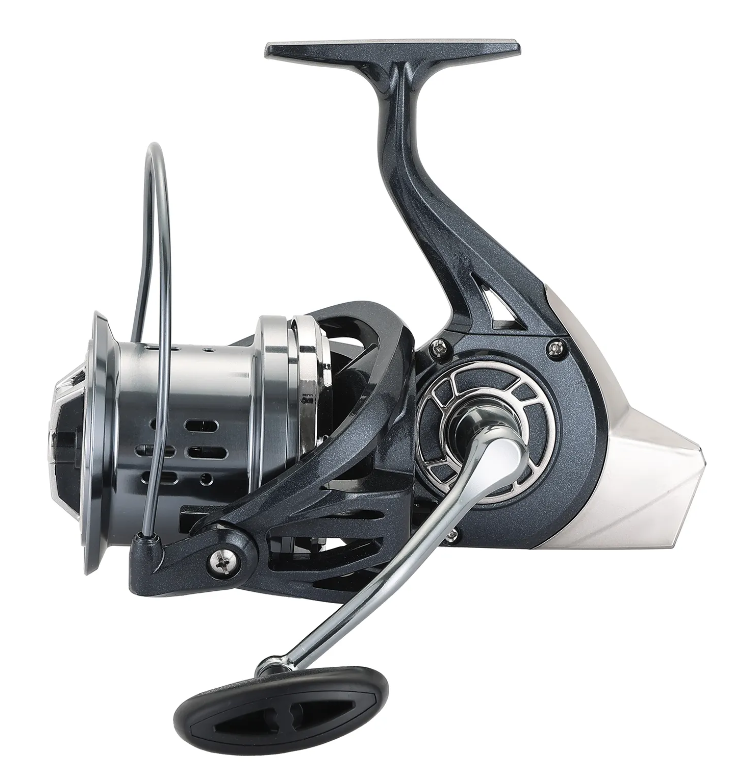
What OEM Customization Means for Baitcasting Reels
Core Definition: OEM vs. ODM in baitcasting reel manufacturing
When companies partner with OEMs (Original Equipment Manufacturers), they get baitcasting reels made exactly how they want them. Think things like gear ratios, brake systems, or even what materials go into construction – basically whatever specs the brand demands. The big advantage here is that the company maintains complete control over both the engineering process and any proprietary technology developed during production. On the flip side, working with ODMs (Original Design Manufacturers) means starting from existing designs already created by the manufacturer. Most changes tend to be superficial stuff like adding logos or changing colors rather than fundamental redesigns. For brands focused on performance, OEM partnerships offer real advantages when it comes to customizing components. We're talking about things like using aerospace quality aluminum frames or fine-tuning drag systems to meet specific needs. Sure, ODM routes get products to market quicker since there's less development involved, but at the cost of limiting true innovation possibilities. Many manufacturers looking to stand out in crowded markets and protect their intellectual property investments opt for OEM relationships despite the longer lead times required.
Why baitcasting reel customization matters for brand differentiation
When anglers get their hands on custom baitcasting reels, ordinary gear suddenly becomes something special. The mechanics are built for specific needs too - think carbon fiber handles that don't wear out after a day on the water, or braking systems designed specifically for certain fish species that cut down on frustrating tangles. Then there's the look of things. Custom colors stand out on store shelves, while those fancy laser etchings on the side make people feel connected to the brand somehow. Most serious fishermen will tell anyone who asks that this mix of function and personality keeps them coming back again and again. A recent survey found around four out of five fishing experts believe combining good performance with personal touches is what keeps customers loyal long term. Companies that ignore this trend end up fighting over customers based purely on price tags, which hurts profits when so many other options flood the marketplace these days.
Key Areas of Baitcasting Reel Customization
Mechanical customization: Gearing, braking systems, and drag tuning
What makes a reel truly high performance? Look no further than precision engineering at work. When companies partner with original equipment manufacturers, they get the chance to tweak those gear ratios something like 6.3 to 1 which works great for bass fishing specifically. The real magic happens when we talk about braking systems. Centrifugal or magnetic options cut down on backlash problems by around 40 percent over standard models according to tests. And let's not forget about those drag washers that have been carefully calibrated so the reel starts spinning smoothly and maintains steady pressure throughout. For serious anglers who need their gear to hold up when things get tough, these kinds of mechanical improvements aren't just nice to have they're basically required if anyone wants to build quality into their premium reel designs.
Aesthetic and branding customization: Housing, colorways, logos, and packaging
The look and feel of products really matters when people make buying decisions. These days manufacturers let customers personalize everything visually. We're talking about anodized surfaces available in well over 200 different Pantone colors, plus logos etched into materials with incredible detail down to just 0.2 millimeters. Some companies even go as far as creating custom molded handles and special packaging that tells a story through its design. The latest report from the Outdoor Industry on brand loyalty shows something interesting too. When brands invest in creative packaging solutions, they tend to keep their customers coming back around 30% more often than those who don't bother with such touches. This kind of attention to appearance builds brand loyalty that lasts long after the initial purchase.
Material and performance upgrades: Aerospace aluminum, carbon composites, and corrosion resistance
What materials go into making a reel makes all the difference when it comes to how long it lasts and how heavy it feels in hand. The top tier models often feature 7075-T6 aerospace grade aluminum which cuts down on weight around 15 percent while still holding up against serious punishment. When fishing in saltwater environments, manufacturers typically incorporate carbon composite side plates along with stainless steel bearings that have special nanocoating treatments. These components stand up much better to rust and degradation from constant exposure to seawater. According to findings from last year's Marine Equipment Durability Report, boats equipped with such advanced materials tend to need fewer repairs over time. Charter boat operators reported saving roughly seventy four thousand dollars each year just from reduced maintenance expenses alone.
Navigating OEM Partnership Requirements for Baitcasting Reels
Minimum Order Quantities (MOQs) and Realistic Scalability for New Brands
Minimum Order Quantities matter a lot when new brands get into OEM manufacturing. Most traditional factories want orders between 500 to over 1000 units upfront, though some forward thinking suppliers have started offering different tiers beginning around 300 pieces. The modular setup of modern production facilities makes it easier to move smoothly from initial prototypes all the way to full scale manufacturing runs, which helps companies grow step by step. Look for OEM partners who can show actual plans for scaling up operations, especially those that include details about spreading out tool costs over time and storage solutions. This kind of planning ensures what gets produced matches what customers actually need as markets change and expand.
Quality Assurance Protocols and Third-Party Testing Standards
Reputable OEMs adhere to rigorous quality standards. Look for ISO 9001-certified processes and third-party validation of critical performance metrics:
- Drag consistency under sustained loads (20+ lbs)
- Saltwater corrosion resistance (300+ hours salt spray testing)
- Gear durability (100,000+ cycle verification)
Top-tier facilities utilize IP68-rated testing environments to simulate extreme conditions and exceed baseline industry requirements. Insist on documented failure analysis and corrective action plans—transparency here minimizes recall risks and ensures long-term reliability.
Selecting the Right Baitcasting Reel OEM Manufacturer
Evaluating technical expertise: In-house R&D, tooling capability, and reel-specific experience
Choose manufacturers with specialized capabilities in reel engineering. Key indicators include:
- In-house R&D teams experienced in iterative prototyping of braking systems and gear trains
- Advanced tooling infrastructure, such as CNC machining centers capable of ±0.01mm precision for spool components
- Proven reel-specific experience, demonstrated through case studies addressing challenges like corrosion resistance or drag smoothness
Factories with this combination deliver superior consistency in performance and durability, outperforming generalist manufacturers.
Assessing communication, compliance, and IP protection practices
Effective collaboration depends on clear, secure processes. Prioritize partners with:
- Structured communication, including bilingual technical liaisons and weekly production audits
- Regulatory compliance, covering standards such as REACH and ISO 9001-2015
- Robust IP protection, including biometric-secured design servers and blockchain-verified NDA tracking
These measures support 97%+ on-time delivery rates and prevent unauthorized replication, ensuring your brand’s innovations remain protected throughout production.