EN
EN

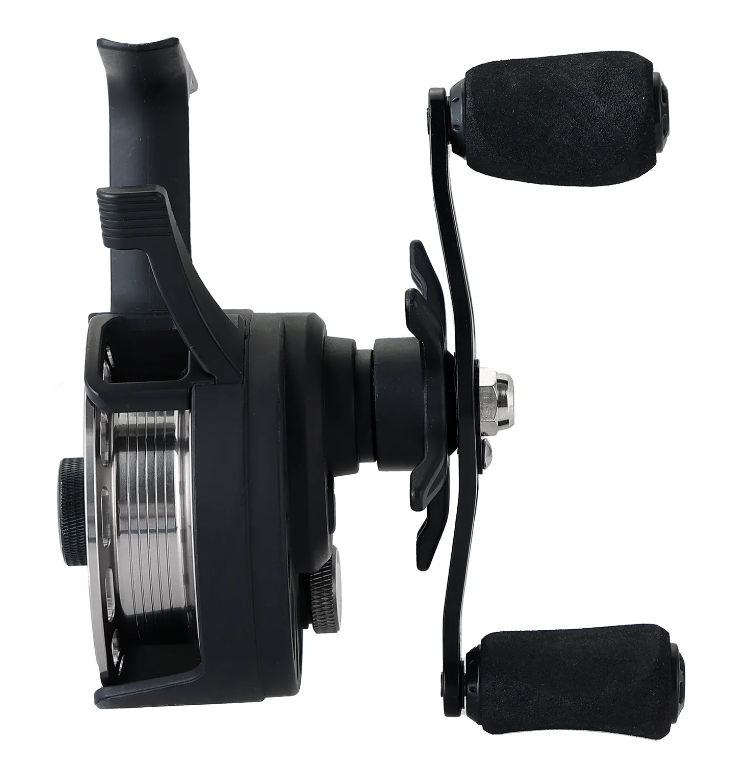
Drag System Performance: The Non-Negotiable Core of a Professional Fly Reel
Why Disc Drag Systems Dominate in High-Stakes Fishing
Disc drag systems have become pretty much standard equipment on serious fly reels these days, giving anglers way better control when big fish start running hard. Old school click-and-pawl setups just can't match what modern discs offer. These newer systems stack together friction plates made mostly of carbon fiber mixed with stainless steel to create smooth resistance that fishermen can adjust all over the place, sometimes handling tensions well beyond 20 pounds. The real magic happens when battling those massive saltwater fish that take off like rockets. With their quick response and how they handle heat so well, disc drags stop things from getting too hot and melting down or breaking completely. Guides who spend their lives chasing giant fish tell stories about how switching to disc systems cuts down the time it takes to land trophy catches by around 30 to 40 percent compared to older reel technology. That kind of difference matters a lot whether someone is competing against others or trying to keep clients happy during guided trips where every minute counts.
Carbon vs. Cork vs. Sealed Drags: Matching Material to Environment and Target Species
Selecting drag material is a strategic decision rooted in environmental conditions and species behavior:
| Drag Type | Best Environment | Target Species | Heat Tolerance | Maintenance Needs |
|---|---|---|---|---|
| Carbon | Saltwater | Tarpon, Tuna | Excellent | Low |
| Cork | Freshwater | Trout, Salmon | Moderate | High |
| Sealed | Brackish/Muddy | Bonefish, Permit | Superior | Minimal |
Carbon drag systems are really the go-to option for most saltwater fishing scenarios because they just keep working even after hours of fighting big fish. These setups resist corrosion pretty well too, which matters a lot when dealing with those deep sea monsters that put up such a fight. Now cork is great stuff for freshwater where we need that extra smoothness for catching smaller fish without spooking them. But let's face it, cork doesn't last long if it gets sandy or wet all the time. Fully sealed drag mechanisms work wonders in places where there's lots of sand around since they keep grit out while still allowing that nice smooth drag feel. Take Pacific salmon fishing for instance, many anglers swear by cork for those delicate presentations needed in river conditions. Down in the tropics though, nobody wants their gear ruined by sand getting everywhere so sealed systems become absolutely necessary. Carbon stands out during long battles against tough opponents. It can handle heat way beyond what most people would expect from fishing equipment, staying reliable even when things get hot and hairy during those marathon fights with big game fish.
Corrosion Resistance and Build Integrity for Professional-Grade Fly Reels
Machined Aluminum, Stainless Steel, and Anodized Finishes: Engineering Longevity in Saltwater and Heavy-Freshwater Use
Fighting off corrosion in saltwater environments takes serious effort, which is why pro fly reels are built with three main material approaches working together: machined aluminum frames, stainless steel parts inside, and those tough anodized coatings on the outside. Aluminum machining gives these reels just the right mix of strength and lightness needed for long days on the water, plus they don't bend or wear out as quickly when loaded up with heavy tackle. The stainless steel bits like spindles and arbors stand up much better to salt spray and getting dunked compared to regular metals we see in cheaper reels. Then there's the anodizing process that creates this protective oxide layer on surfaces. It keeps moisture away, stops electrolysis problems, and makes sure the reel doesn't get scratched up while being carried around or bumped against rocks during a wade.
Freshwater fishing in heavy conditions brings its own set of problems. Silt filled rivers, those annoying acidic tannins, and all sorts of abrasive grit can work their way into gear and wear down anything that's not built properly. That's why good sealed drag systems matter so much, along with those precision machined parts that keep dirt out. When fighting fish for extended periods through rough water, these features make all the difference in keeping everything working as it should. Fishermen who target big migrating species or go after records know this well because their tackle needs to hold up under extreme pressure. A breakdown halfway through a trip isn't just inconvenient it can ruin an entire day's effort when chasing trophy sized catches where every detail counts.
Fly Reel Sizing and Line Weight Compatibility: Precision Matching for Target Species
Picking the right fly reel size isn't just about personal preference—it really depends on what kind of fish we're after, how hard they'll fight, and what line weight we're using. For smaller fish like trout or panfish, lighter reels in sizes 3 through 5 work best with 4 to 6 weight lines. These setups keep things light enough for those tricky presentations and long days spent casting around the water. Big saltwater game fish tell a different story though. They need much heavier gear—reels sized 7 and above paired with strong 8 to 12 weight lines. This setup handles those long runs, sudden bursts of power, and the serious drag needed when battling these tough customers. Getting this match right means having enough backing line for those epic fights without making our rods feel awkward or uncomfortable. Going too big on the reel leads to tired arms after repeated casts, while going too small means losing control and possibly breaking equipment when trying to land that giant fish everyone talks about.
Operational Realities: How Saltwater and Freshwater Demands Shape Professional Fly Reel Selection
Saltwater-Specific Requirements: Sealed Bearings, Rapid Heat Dissipation, and Hardware Corrosion Resistance
Saltwater fly reels face conditions that would destroy most freshwater gear in no time at all. We're talking about constant battles against corrosive saltwater, gritty sand getting everywhere, and serious heat buildup from fighting big fish. Sealed bearings aren't just nice to have they're absolutely essential. These seals keep out salt and sand that cause internal damage, which accounts for roughly 8 out of 10 marine reel failures according to field reports. Let's put this into perspective without proper sealing, saltwater and sediment will wear down bearings about five times faster than what happens in freshwater environments. Managing heat is another major concern. When anglers battle powerful fish like tarpon that run for minutes on end, the friction generated can warp regular reels or cause drag systems to fail completely. That's why professional reels use special heat conducting metals in their construction. For hardware, nothing beats corrosion resistant materials. Frames made from marine grade aluminum with hard anodized surfaces last about three times longer in saltwater than regular coatings do. Stainless steel parts simply don't pit or rust like cheaper alternatives, maintaining strength even after years of salt exposure. The combination of sealed components, good heat handling, and materials that stand up to salt makes these reels durable enough for serious saltwater fishing adventures.
Table of Contents
- Drag System Performance: The Non-Negotiable Core of a Professional Fly Reel
- Corrosion Resistance and Build Integrity for Professional-Grade Fly Reels
- Fly Reel Sizing and Line Weight Compatibility: Precision Matching for Target Species
- Operational Realities: How Saltwater and Freshwater Demands Shape Professional Fly Reel Selection