EN
EN

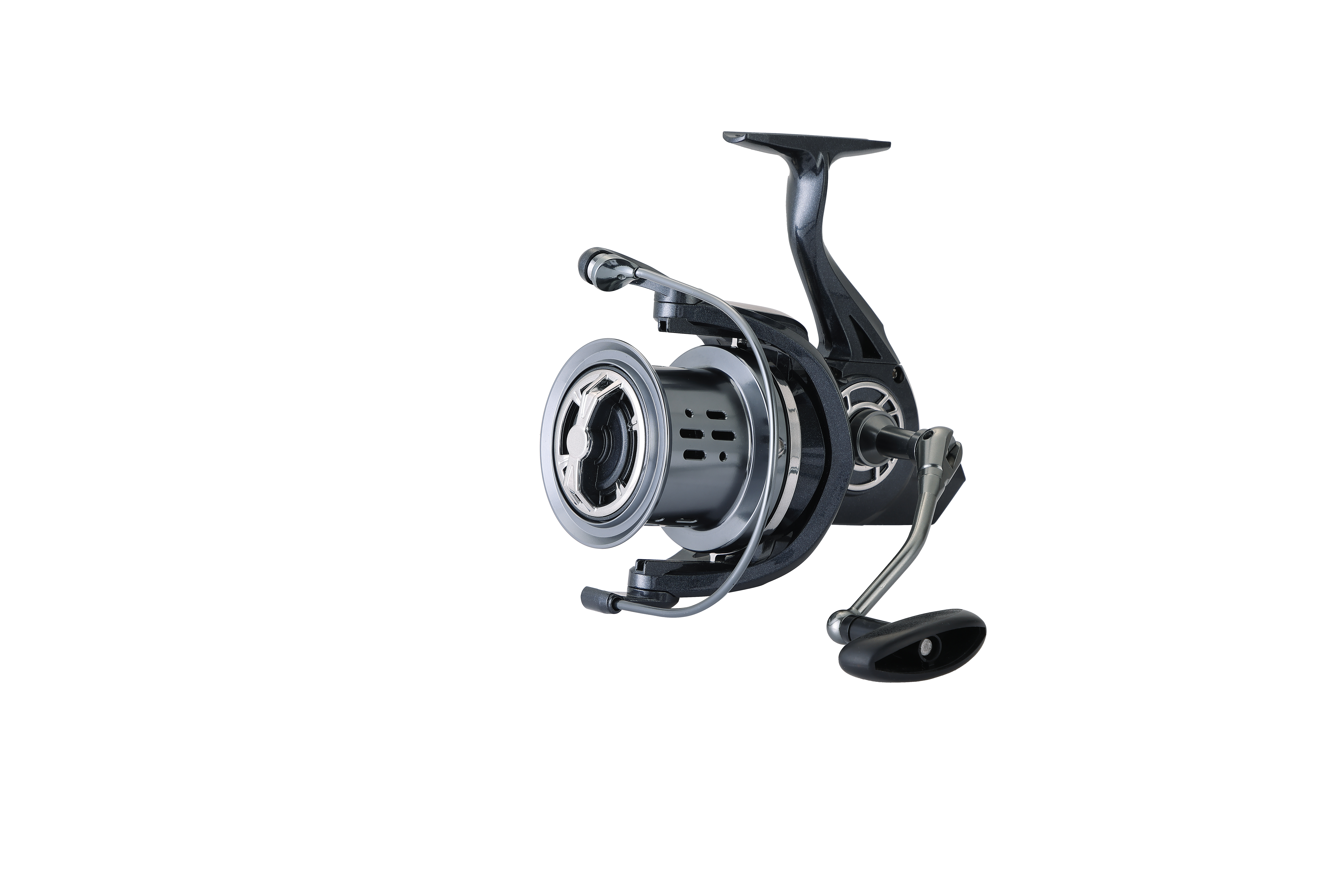
Disenyo ng Spool: Pag-optimize sa aerodynamics at sa paglabas ng linya para sa mas malawak na distansya
Mga spool na may malaking diameter (45 mm pataas) at nabawasan ang air resistance
Ang mga spool na may diameter na higit sa 45 mm ay nababawasan ang hangin na nakakapagpabagal kapag nagpapalayaw ng pangingisda sa malalayong distansya. Ang mas malaking sukat ay nagdudulot talaga ng mas mababang densidad ng linya ng pangingisda habang ito’y kumukurba sa paligid nila, kaya’t mas maayos at mas tahimik ang paglabas ng linya mula sa reel nang may kaunting pagkagambala lamang. Ilan sa mga computer model ay nagpapakita na ang mga mas malalaking spool na ito ay maaaring pataasin ang distansya ng pagpapalayaw ng hanggang 15 hanggang 22 porsyento kumpara sa karaniwang sukat ng spool na nasa pagitan ng 35 at 40 mm. Nangyayari ito pangunahin dahil may kaunting pagkagambala sa daloy ng hangin sa eksaktong lugar kung saan lumalabas ang linya mula sa spool. Kapag ginagawa ng mga tagagawa ang mga napakalaking spool na ito gamit ang presisyong pagmamachine, nakakakuha sila ng perpektong balanse kaya’t hindi nagsisiksaw ang spool habang umiikot. Dahil wala ang epekto ng pagsiksaw, nananatiling mataas ang katiyakan ng mga mangingisda kahit kapag nagpapalayaw sila nang lampas sa 120 yard sa tubig.
Mga Spool na Payat vs. Malalim: Paano Nakaaapekto ang Antas ng Pagkakapuno at Pagkakalagay ng Linya sa Bilis ng Pagpapalayaw
- Mga spool na payat (≤6 mm na lalim) ay nagbibigay ng mabilis na pagpapabilis kasama ang mas magaan na mga linya (8–12 lb), dahil sa kaunting mga layer ng linya at nabawasang panlaban sa labasan. Gayunpaman, ang kanilang limitadong kapasidad ay nangangailangan ng mas madalas na pagrereel.
- Mga Malalim na Reel Spool (≥10 mm) ay nagpapanatili ng momentum habang may beban—lalo na sa mga mabibigat na braided line (15–25 lb)—at mas epektibong nakakatanggap ng hangin. Para sa pare-parehong pagganap, punuan ang spool hanggang 85% ng kapasidad: ang sobrang pagpupuno ay nagdudulot ng drag at hindi regular na pagkakalagay ng linya; ang kulang na pagpupuno ay nagdudulot ng hindi stable na pag-ikot ng spool at hindi pare-parehong anggulo ng labasan.
| Uri ng Spool | Pinakamahusay na Gamit | Kapasidad ng Linya | Katatagan sa Pagtapon |
|---|---|---|---|
| Manipis | Mga Magaan na Linya | Mababa | Mataas na Pagpapabilis |
| MAHALIKA | Mga Mabibigat na Linya | Mataas | Pare-parehong Momentum |
Konstruksyon na Gawa sa Metal, Mga Precision Bearing, at Teknolohiya ng Oscillation Control
Ang mga spool na gawa sa aluminum na may kalidad para sa eroplano o tanso na pinaghihigpitang may kahusayan ay gumagana nang pinakamabuti kapag pinagsama sa hindi bababa sa anim na stainless steel na ABEC-7 bearings. Ang mga pagsasaayos na ito ay lumilikha ng halos walang panlaban na pag-ikot, na nagpapadali ng mahabang pagtapon nang hindi nawawala ang momentum. Ang mga bagong reel ay may kasamang integrated oscillation controls din. Isipin ang mga synchronized level wind feature na ito na nagpipigil sa pangingisda upang magkagulo ang linya kapag inaalis ang isda. Nakatutulong sila upang mapanatili ang pantay na pagkakalagay ng linya sa buong ibabaw ng spool. Ang mga pagsusuri ay nagpapakita na ang mga metal na spool na ito ay nababawasan ang mikro-turbulence ng humigit-kumulang 40 porsyento kumpara sa mga kahalili na plastik. Agad-agad napapansin ito ng mga mangingisda dahil mas malayo ang kanilang mga pagtapon gamit ang mas kaunti lamang na pagsisikap kahit matagal nang nasa tubig. Bukod dito, ang tamang distribusyon ng timbang sa buong katawan ng reel ay tumutulong na absorbo ang mga vibration na dumadaloy pataas sa dulo ng silya, na nagpapaganda ng katiyakan ng bawat pagtapon habang binabawasan naman ang pagkapagod ng braso sa mahabang panahon ng pangingisda.
Ratio ng Gear at Kahirapan sa Pagbawi para sa Pagganap ng Reel sa Pangingisda ng Carp
Ideal na Saklaw (4.3:1–4.9:1): Pagbabalanse ng Pagsisikap sa Pagpapaikot, Bilis, at Kontrol
Karamihan sa mga maniningil ay nakakakita na ang mga ratio ng gear na nasa pagitan ng 4.3:1 at 4.9:1 ang pinakamainam kapag hinahabol ang mga carp. Ang mas mababang dulo ng saklaw na ito—halos 4.3:1—ay nagpapagaan ng mahabang labanan laban sa malalaking isda dahil binabawasan nito ang pagsisikap sa pagpapaikot ng humigit-kumulang 30%. Nakakatulong ito na panatilihin ang antas ng enerhiya sa loob ng mahahabang sesyon habang nagbibigay pa rin ng sapat na lakas upang harapin ang biglang pag-atake ng mga lumalaban na isda. Kapag tumataas ang ratio papalapit sa 4.9:1, mas mabilis ang pagbawi ng linya—na lubhang kapaki-pakinabang kapag kailangan ilipat ang mga carp palayo sa mga damo o iba pang balakid sa tubig. Ang pinakamagandang bahagi ng mga ratio na ito ay ang kanilang kakayahang magbalanse ng kapangyarihan at kontrol. Kahit kapag ginagamit ang presyon na humigit-kumulang 15 kg, nananatiling maresponsibo ang mga sistema ng drag upang maiwasan ang biglang pagputok ng linya.
Pamamahala ng Torque: Super Slow 5 na Pagkakagearing at mga Disenyong Parallel Body upang Pigilan ang Pagliko ng Linya
Ang sistema ng Super Slow 5 na pagkakagearing ay kumakalat sa pwersa ng pag-ikot sa loob ng mga palakas na tanso na gear, na nagpapababa ng pagkasira ng mga panloob na bahagi ng mga sangkap nang halos 40%. Ibig sabihin, mas matagal ang buhay ng mga bahaging ito bago kailanganin ang kapalit o pagkukumpuni. Kapag pinagsama sa aming disenyo ng parallel body—na nagpapanatili sa spool na gumagalaw nang tuwid kasabay ng mataas na test curve ng rod—ay may napakaliit na pagliko at mga problema sa memorya ng fishing line. Nakita na rin namin ito sa praktikal na pagsubok. Ang mga pagsusuri ay nagpakita na ang mga reel na ito ay nabawasan ang mga problema sa memorya ng linya ng halos kalahati kumpara sa karaniwang karanasan ng karamihan sa mga mangingisda sa mga standard na reel setup. Ano ang resulta? Mas kaunti ang nakakainis na wind knot na nabubuo habang nagtatapon, pati na rin ang mas mainam na katiyakan at distansya kapag inilalagay ang mga lure kahit sa malakas na hangin mula sa gilid na umaabot sa higit sa 20 milya kada oras—na madalas mangyari sa mga kompetisyon.
Mga Sistema ng Pagsasara na Ipinasadya para sa Paglaban sa Hangin at Kagandahan ng Pagkakatumpak sa mga Reel para sa Carp Fishing
Magnetic vs. Centrifugal Braking: Kakayahang I-Adjust, Pagkakapareho, at Katiyakan sa Mahabang Pagbato
Ang magnetic braking ay nagbibigay sa mga manlalangoy ng napakasimpleng kontrol sa resistensya sa pamamagitan ng mga adjustable na dial, na ginagawa itong mahusay kapag biglang nagbabago ang kondisyon—tulad ng pagbabago ng hangin o pagmabigat ng rig. Ang paraan kung paano gumagana ang mga brake na ito nang elektromagnetiko ay nagpapahintulot sa mga mangingisda na i-adjust ang mga setting habang kumakast ng talagang aktibo, isang tampok na tunay na tumutulong upang maabot nang tumpak ang target kahit hindi perpekto ang kalagayan sa labas. Sa kabilang banda, ang centrifugal braking ay umaasa sa mga maliit na nabibigatan na bloke sa loob ng reel na mas aktibo kapag mas mabilis ang pag-ikot ng spool. Nagdudulot ito ng pare-parehong resistensya sa buong proseso ng pagkast, na lubos na mahalaga kapag kinakast ang mabibigat na bagay tulad ng mga PVA bag o method feeders. Alamin ng karamihan sa mga ekspertong manlalangoy ng karpa kung gaano kahalaga ang katatagan na ito dahil kung hindi, lahat ng bagay ay maaaring bumagsak sa himpapawid. Ang mga kamakailang pagpapabuti ay nagbigay-daan upang maging mas mahusay ang mga modernong centrifugal system kumpara sa mga lumang modelo, na binabawasan ang mga nakakainis na backlash sa pagitan ng 32% at 44% kapag kumakast nang lampas sa 100 yard. Ang ilang high-end na carp reel ngayon ay may dalawang control dial upang ang mga manlalangoy ay makapaghalo ng parehong uri ng braking. Ibig sabihin, ginagamit ang centrifugal para sa malakas na hangin at ang magnetic para sa mga eksaktong kast na dapat pumunta sa tamang lugar.
Timbang, Balans, at Kakatayan ng Rod para sa Optimal na Setup ng Reel sa Carp Fishing sa Mahabang Distansya
kisame ng Timbang na 485g–654g at Pinagkakabalanse na Balans kasama ang mga Rod para sa Carp na may haba na 12ft 6in–13ft at mataas na Test Curve
Ang mga fishing reel na may timbang na nasa pagitan ng 485 gramo at 654 gramo ay gumagana nang pinakamabuti kasama ang mga silya na may haba na humigit-kumulang sa 12 talampakan at 6 pulgada hanggang 13 talampakan na may mataas na test curve (na kinikilala bilang hindi bababa sa 3.5 pondo). Ang tamang timbang ay tumutulong na balansehin ang kabigatan sa dulo ng silya nang hindi nagiging mabagal ang pakiramdam nito. Ang mga manlalangoy ay nag-uulat ng mas kaunti silang pagod matapos ang mahabang araw sa tubig, kung saan ang ilan ay nagsasabi na bumababa ang pagod nang humigit-kumulang sa 27%. Ang distansya ng pagtapon ay sumisigla rin, minsan hanggang 15% dahil sa mas mainam na distribusyon ng swing weight. Ang mga reel na mas magaan kaysa 485 gramo ay kulang sa bigat para sa pare-parehong pagtapon sa mga kondisyong may malakas na hangin. Sa kabilang banda, ang anumang reel na mas mabigat kaysa 654 gramo ay nagpapabagal sa aksyon ng silya at nagiging mas mahirap ang tumpak na pagtapon. Ang tamang balanse sa pagitan ng timbang ng reel at disenyo ng silya ay nababawasan ang tinatawag na 'tip wobble' ng mga manlalangoy kapag inilalabas ang linya—na lubhang mahalaga kapag sinusubukan mong abotin ang mga lugar na higit sa 120 yarda ang layo. Ang mabuting pagkakatugma sa pagitan ng timbang ng reel at disenyo ng silya ay hindi lamang tungkol sa kaginhawahan. Kapag ang mga bahaging ito ay wastong nakasunod-sunod, aktwal na pinakamumaximize nila ang transfer ng enerhiya na isinama sa mga modernong high test curve rod blanks ngayon.
Madalas Itanong
Ano ang mga benepisyo ng mga spool na may malaking diameter?
Ang mga spool na may malaking diameter ay binabawasan ang hangin na pagtutol habang nagpapalagay, na nagreresulta sa mas makinis na paglabas ng linya at mas mahusay na distansya ng pagpapalagay na 15 hanggang 22 porsyento kumpara sa karaniwang spool.
Paano nakaaapekto ang mga manipis at malalim na spool sa pagpapalagay?
Ang mga manipis na spool ay nagbibigay ng mabilis na pagpapabilis kasama ang magaan na linya, samantalang ang mga malalim na spool ay panatilihin ang pare-parehong momentum kasama ang mabibigat na braided line, na mas epektibong nakakaharap sa hangin na pagtutol.
Bakit pinipili ang konstruksyon na gawa sa metal para sa mga spool?
Ang mga spool na gawa sa metal, kapag pinagsama sa mga bantay na gawa sa stainless steel, ay binabawasan ang friction at tumataas ang distansya ng pagpapalagay. Sila rin ay nagpapababa nang malaki ng mikro-turbulence kumpara sa mga spool na gawa sa plastic.
Anong gear ratio ang inirerekomenda para sa pangingisda ng karpa?
Ang mga gear ratio na nasa pagitan ng 4.3:1 at 4.9:1 ay ideal, dahil nagbibigay sila ng balanse sa pagsisikap sa crank, bilis, at kontrol—lalo na kapaki-pakinabang kapag hinahandle ang malalaking karpa nang mahusay.
Ano ang kalamangan ng torque management sa mga reel?
Ang mga sistema ng pagpapatakbo ng torque tulad ng Super Slow 5 na pagkakagaya ay nababawasan ang pagkasira sa mga panloob na bahagi sa pamamagitan ng pagkakalat ng rotational force, na nagpapabuti ng haba ng buhay ng produkto at nababawasan ang pagliko at mga problema sa memorya ng linya.
Paano pinapabuti ng mga sistemang pampigil ang pagtapon sa mga fishing reel?
Ang mga sistemang pampigil na magnetic at centrifugal ay nagbibigay ng kakayahang i-adjust at pare-parehong resistensya, ayon sa pagkakabanggit, na nababawasan ang mga backlash at pinapabuti ang katiyakan sa pagtapon, lalo na sa mga kondisyong may hangin.
Ano ang ideal na saklaw ng timbang para sa mga fishing reel na ginagamit sa pangingisda ng karpa?
Ang mga fishing reel na ginagamit sa pangingisda ng karpa na may timbang na nasa pagitan ng 485g at 654g ay nag-aalok ng optimal na balanse kasama ang mga silya na may sukat na 12ft 6in hanggang 13ft, na nagpapahusay ng distansya ng pagtapon at nababawasan ang pagod.
Talaan ng Nilalaman
- Disenyo ng Spool: Pag-optimize sa aerodynamics at sa paglabas ng linya para sa mas malawak na distansya
- Ratio ng Gear at Kahirapan sa Pagbawi para sa Pagganap ng Reel sa Pangingisda ng Carp
- Mga Sistema ng Pagsasara na Ipinasadya para sa Paglaban sa Hangin at Kagandahan ng Pagkakatumpak sa mga Reel para sa Carp Fishing
- Timbang, Balans, at Kakatayan ng Rod para sa Optimal na Setup ng Reel sa Carp Fishing sa Mahabang Distansya
-
Madalas Itanong
- Ano ang mga benepisyo ng mga spool na may malaking diameter?
- Paano nakaaapekto ang mga manipis at malalim na spool sa pagpapalagay?
- Bakit pinipili ang konstruksyon na gawa sa metal para sa mga spool?
- Anong gear ratio ang inirerekomenda para sa pangingisda ng karpa?
- Ano ang kalamangan ng torque management sa mga reel?
- Paano pinapabuti ng mga sistemang pampigil ang pagtapon sa mga fishing reel?
- Ano ang ideal na saklaw ng timbang para sa mga fishing reel na ginagamit sa pangingisda ng karpa?