EN
EN

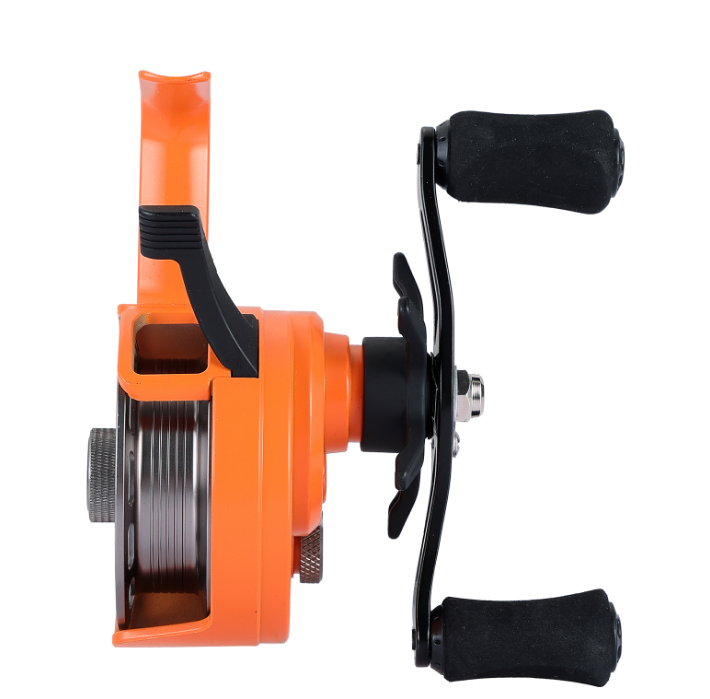
Why the Anti-Reverse Bearing Is Critical to Spinning Reel Performance
The anti-reverse bearing in a spinning reel performs one essential job: it prevents the handle from turning backward during a retrieve or strike. This one-way engagement locks instantly, transferring every ounce of cranking force directly to the spool. Without it, an angler would lose hook-setting power the moment a fish pulls line—introducing dangerous back-play that can shake the hook free. Modern spinning reels rely on this bearing to maintain constant line tension, which is especially critical for solid hooksets with low-stretch braided lines. A worn or seized anti-reverse bearing also degrades overall reel smoothness, making it harder to detect subtle bites. In saltwater environments, corrosion can cause the bearing to stick or fail entirely, leaving the handle to spin freely when it should lock. By eliminating handle backlash, the anti-reverse bearing directly improves catch rates and angler confidence. Regular maintenance ensures your spinning reel delivers instant, reliable engagement season after season.
Step-by-Step Anti-Reverse Bearing Maintenance for Spinning Reels
Disassembly and Inspection: Identifying Wear Signs Without Full Reel Strip-Down
Begin by removing the spool and side plate to access the anti-reverse bearing assembly. You do not need a full tear-down—focus only on the roller clutch area. Look for rust, discoloration, or flattened rollers. Spin the bearing manually: any roughness, hesitation, or grinding noise indicates wear. Also inspect the spring that holds the rollers in place; a stretched or broken spring causes intermittent slippage. If you see metal shavings or gritty residue, the bearing is failing and must be replaced. Performing this quick inspection before each fishing season—or after heavy saltwater use—prevents sudden failure during a fight with a large fish.
Cleaning and Lubrication: Solvent-Safe Degreasing and Precision Re-Lubrication Techniques
Once you confirm the bearing is still serviceable, clean it thoroughly using a solvent safe for plastics and precision bearings—such as 90%+ isopropyl alcohol or a dedicated reel degreaser. Avoid harsh chemicals like acetone, which can degrade nylon retainers. Soak the bearing for 5–10 minutes, then spin it gently in the solvent to dislodge old grease and debris. Dry completely with compressed air or allow it to air-dry fully before proceeding. Apply a single drop of lightweight synthetic oil—not grease—to each roller. Spin the bearing to distribute the lubricant evenly, then wipe away any excess. Over-oiling attracts contaminants and can cause gumming or binding. This precise cleaning and lubrication restores crisp anti-reverse function and extends component life.
Common Mistakes That Damage the Anti-Reverse Bearing in Spinning Reels
Even well-intentioned maintenance can backfire if you overlook the specific needs of the anti-reverse bearing. Two frequent errors—over-lubrication and saltwater neglect—are responsible for the majority of premature failures in spinning reels. Understanding why these mistakes happen helps anglers avoid costly repairs and keep their gear reliable.
Over-Lubrication and Contaminant Trapping: Why Excess Grease Causes Seizure
Applying too much grease or oil creates a sticky trap for dirt, sand, and salt residue. Over time, this paste-like mixture builds up inside the tiny rollers, preventing them from locking against the race properly. The result is either sluggish engagement or outright seizure—stopping the rotor from turning freely or damaging internal surfaces. Always use the minimal amount of lightweight lubricant specified by the reel manufacturer: a single drop per roller is typically sufficient.
Saltwater Neglect and Post-Fishing Rinse Errors That Accelerate Corrosion
Saltwater is highly corrosive to metal components—especially the fine roller-clutch parts inside a spinning reel’s anti-reverse system. Many anglers mistakenly rinse the entire reel with high-pressure water, forcing salt-laden moisture deeper into the bearing housing. Instead, use a gentle, low-pressure freshwater rinse over the exterior only, followed by thorough air drying and a light re-lubrication. Skipping the rinse entirely—or storing the reel while still damp—can cause pitting and surface rust in as little as two to three weeks.
Choosing Upgrades and Future-Proofing Your Spinning Reel’s Anti-Reverse System
Upgrading your spinning reel’s anti-reverse bearing can significantly enhance lifespan and reliability, especially in demanding fishing environments. Selecting the right bearing material is a critical decision that impacts long-term performance, cost, and upkeep.
Ceramic Hybrid Bearings vs. Stainless Steel: Trade-offs in Durability, Cost, and Maintenance
Ceramic hybrid bearings offer exceptional corrosion resistance and smoother operation under heavy loads—making them ideal for saltwater anglers who demand consistent performance. Their low-friction design reduces wear on adjacent components and supports longer service intervals. However, they come at a higher price point and require meticulous maintenance: their tighter tolerances mean even minor contamination or over-lubrication can cause binding. Stainless steel bearings provide robust durability at a lower cost and handle physical shocks better—ideal for freshwater bass fishing or surf casting where impact resistance matters more than extreme corrosion resistance. While less prone to sudden failure from debris ingress, stainless steel requires consistent post-use care to prevent long-term corrosion. Consider these factors when upgrading:
- Durability: Ceramic excels in wet, corrosive environments; steel better withstands physical abuse.
- Cost: Steel offers strong value for occasional or general-purpose use; ceramic justifies its premium for frequent saltwater exposure.
- Maintenance: Both require regular cleaning, but ceramic demands precision lubrication and contaminant control to perform reliably.