EN
EN

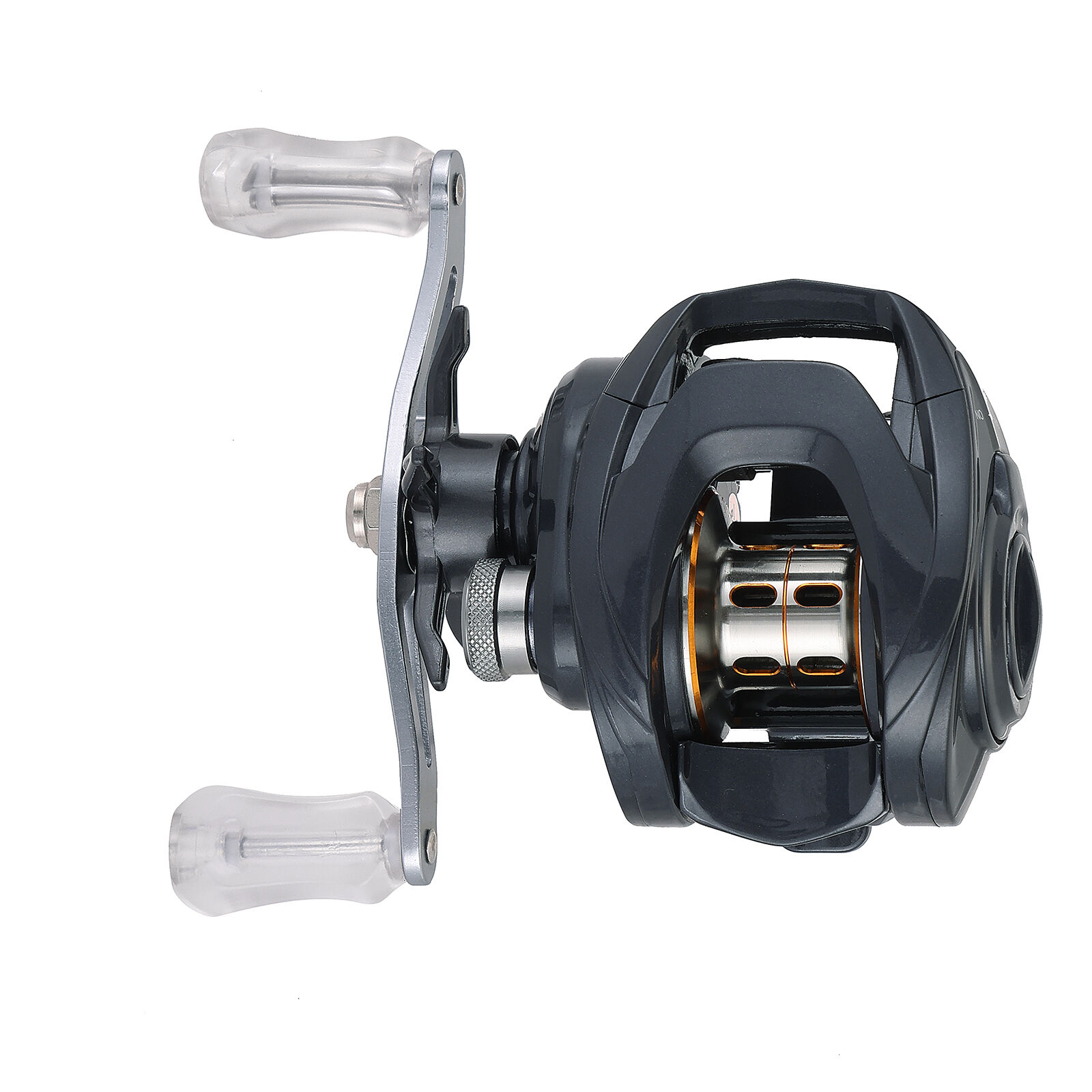
Thumb-Controlled Precision Casting for Accurate Lure Placement
Baitcasting reels deliver unmatched lure placement accuracy through direct thumb-to-spool contact. This tactile control system enables micro-adjustments during casting—something spinning reels cannot replicate. By modulating spool rotation mid-flight, anglers achieve millimeter-perfect targeting around docks, brush piles, and submerged structures.
Real-Time Spool Modulation: How Thumb Pressure Enables Micro-Adjustments During Flight
Thumb friction acts as a dynamic braking system across three critical casting phases:
- Initial acceleration: Firm pressure prevents spool overspin
- Mid-flight trajectory: Feathering compensates for wind gusts or obstacles
- Terminal descent: Increased pressure cushions lure impact
This real-time intervention allows instant trajectory correction—essential when skipping lures under low-hanging vegetation or threading gaps in lily pads. Peer-reviewed field studies confirm thumb-controlled casts improve target accuracy by 30% compared to preset braking systems alone.
Spool Tension & Line Lay Tuning for Finesse Lures (Senkos, Jerkbaits, Drop Shots)
Finesse presentations demand calibrated spool settings:
| Setting Adjustment | Effect on Light Lures (<1/4 oz) | Optimal Technique |
|---|---|---|
| Spool tension knob | Prevents startup backlash | Set until lure descends at 1 ft/sec |
| Brake block position | Controls aerial deceleration | Lower settings for aerodynamic baits |
| Line lay uniformity | Eliminates mid-cast snags | Spool under tension during retrieval |
These adjustments prevent line nesting with slow-sinking Senkos and maintain jerkbait cadence during twitch-pause retrieves. Balanced configurations enable reliable casting of 1/16 oz drop shots without backlash while preserving hook-setting power.
Advanced Braking Systems That Prevent Backlash Across Lure Weights
Magnetic vs. Centrifugal Brakes: Matching Brake Type to Lure Aerodynamics and Weight
Baitcasting reels today mostly depend on two main types of brakes to stop those annoying tangles when casting. First up are magnetic systems. These work by using electromagnets controlled through little adjustment knobs. Anglers love them because they respond so well to changing conditions, especially when fishing in windy spots or casting tiny baits like 1/8 ounce frogs where precision matters. Then there's the centrifugal brake system. It works differently - it has these spring loaded pins that pop out as the spool spins faster, rubbing against a special brake ring inside the reel. This setup really shines when throwing lures that fly straight and predictable through the air, like jerkbaits. What makes this interesting is how the resistance adjusts itself based on how hard someone casts. From what we've seen in actual fishing situations, magnetic brakes tend to handle sudden wind changes better mid cast, whereas centrifugal brakes just keep working reliably even after dozens of casts without needing constant tweaking.
Field-Validated Brake Calibration: From Lightweight Frogs (1/8 oz) to Heavy Crankbaits (1.5 oz)
Effective backlash prevention requires dynamic brake calibration across lure weights:
- Heavy crankbaits (1–1.5 oz): Minimal braking (1–2 centrifugal pins or 20–30% magnetic dial) preserves casting distance
- Mid-range jerkbaits (3/8–5/8 oz): Moderate braking (3–4 centrifugal pins or 40–50% magnetic resistance) balances control and distance
- Lightweight topwaters (1/8–1/4 oz): Maximum braking (6 pins or 70–80% magnetic) counters spool overruns
Tournament anglers validate this progression through iterative field testing—starting high and dialing back incrementally until achieving consistent, tangle-free unspooling. This empirical method prevents wasted casts when switching between a 1.5 oz deep-diver and a 1/8 oz popper.
Gear Ratios Engineered for Lure-Specific Retrieval Kinematics
Selecting the optimal gear ratio directly dictates lure performance by governing retrieval speed and action fidelity. This mechanical relationship ensures hydrodynamic integrity is maintained across presentation styles.
High-Speed Ratios (7.1:1–8.5:1): Maintaining Cadence on Topwater and Buzz Baits
Surface fishing enthusiasts know that high ratio reels really shine when working those lures that need continuous action. Take those topwater poppers and walking baits for instance. A reel spinning over 30 inches per crank keeps that fast walk-the-dog motion going nonstop, no annoying pauses where the line goes slack. Buzzbaits work the same way too they just won't stay afloat if there's any break in the action. Most anglers find that something around 7.5 to 1 ratio does the trick most of the time. The extra speed comes in handy after a bass slams one of these surface baits too. Quick retrieval means grabbing up all that slack right away, turning those big splashes into actual catches before the fish can slip back into the weeds or under docks where they vanish forever.
Medium-Speed Ratios (6.3:1–6.8:1): Optimizing Wobble, Pause, and Dive Depth for Crankbaits and Jerkbaits
When it comes to reaction strike lures, medium gear ratios set just the right pace for effective fishing. Retrieving at around 22 to 27 inches per crank keeps those deep diving crankbaits working properly. This speed helps prevent them from rolling over when retrieved at moderate speeds while still letting them plow through the water at the correct depth. With suspending jerkbaits, these medium ratios make all the difference too. They allow anglers better control over line slack when twitching the rod. The pauses between twitches become more accurate, and transitions feel smoother so the lure stays at the desired depth where predatory fish often hang out waiting for prey.
Drag System Reliability When Targeting Lure-Driven Predators
Fighting those aggressive fish like largemouth bass or northern pike that hit artificial lures hard means relying on the drag system of your baitcasting reel to keep lines intact. Spinning reels just can't handle what premium baitcasters do with their multi-disc carbon fiber drag systems. These setups provide steady pressure as big fish make those explosive runs, something absolutely necessary when they head straight for cover after taking a crankbait or topwater lure. Most quality systems work well with 15 to 25 pound test lines, smoothing out those tension spikes that often lead to broken lines right in the middle of a fight. Some newer models throw in heat resistant materials so the drag doesn't lose effectiveness during long battles, plus sealed drag chambers keep water out when working subsurface lures. To get reliable performance, anglers should pair their reel's max pound rating (usually around 20 pounds or more for predators) with matching line strength and rod construction. Getting the drag calibrated properly makes all the difference too. A good setup lets the drag slip gradually instead of locking solid, giving fishermen control over the reel's power without messing up delicate presentations.
FAQ
What is the primary advantage of using a baitcasting reel?
Baitcasting reels provide unmatched lure placement accuracy, allowing for micro-adjustments during casting through direct thumb-to-spool contact, enabling precision targeting around challenging structures.
How do thumb-controlled casts improve accuracy?
By enabling real-time spool modulation, anglers can make micro-adjustments in three critical casting phases: initial acceleration, mid-flight trajectory, and terminal descent, resulting in enhanced target accuracy.
What are the benefits of advanced braking systems in baitcasting reels?
Advanced braking systems, such as magnetic and centrifugal brakes, prevent backlash across various lure weights by dynamically adjusting resistance in response to casting conditions.
How does gear ratio affect lure performance?
The gear ratio dictates retrieval speed and action fidelity, ensuring that the hydrodynamic integrity of the lure is maintained, which is crucial for effective presentation styles.
Why is drag system reliability important in baitcasting reels?
Drag system reliability is essential for effectively handling aggressive fish strikes while using artificial lures. Premium drag systems provide consistent pressure, preventing line breaks during intense fights.