EN
EN

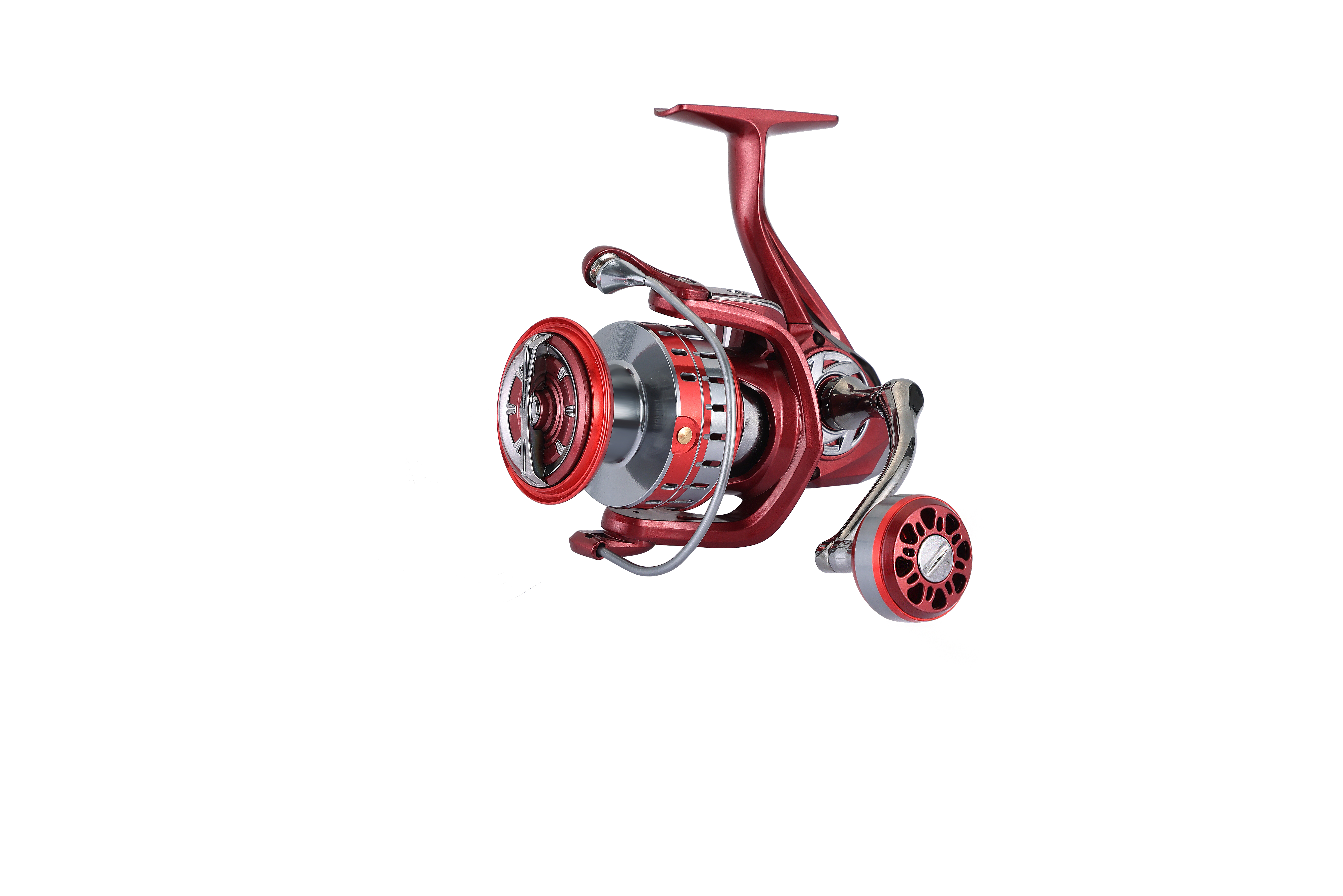
Match Spinning Reel Size to Target Species and Habitat
Light Spinning Reels (1000–2500) for Panfish, Trout, and Stream Fishing
The ultralight spinning reels in the 1000 to 2500 range really shine in those tricky shallow water spots. These reels work best with 2 to 8 pound test lines, making them perfect for catching panfish and trout in stream areas where branches hang low or the current runs narrow. The small size helps anglers avoid arm strain after casting multiple times, and the sensitivity lets fishermen pick up on the tiniest bites that might otherwise go unnoticed. For best results, most folks find that matching these reels with rods around 6 to 7 feet long gives just enough control to navigate tight spaces where bigger equipment would get in the way of accurate casting.
Medium Spinning Reels (3000–4000) for Largemouth Bass, Walleye, and All-Around Lake/River Use
Size ranges from 3000 to 4000 are pretty much perfect for most freshwater fishing situations. These reels work well with 8 to 14 pound test lines and can take on everything from those sudden bass bites to walleye chasing around rocks or drop-offs, plus they handle mid depth jigging just fine. The extra line capacity means anglers can cast further out over open water areas. At around medium weight, these reels retrieve smoothly which matters a lot when casting crankbaits past weed beds or setting up live bait near where currents change direction. Most fishermen find that one good quality reel in this size range covers all their needs whether they're throwing topwaters, jigging, or using live bait setups, so there's no need to switch between different reels for various techniques.
Heavy Spinning Reels (5000–6000+) for Musky, Large Catfish, and Challenging Vegetated or Deep-Water Conditions
For anglers chasing muskies, big catfish, or any tough fighters hiding in thick weeds or deep water spots, spinning reels rated at 5000 or higher deliver the muscle needed to handle these challenges. The reinforced gears inside these reels stand up to rough treatment, while their sealed drag systems keep working even after getting dunked in muddy water full of plants. Corrosion resistant parts mean they last longer too. Most models can take 20 to 50 pound braided line which makes all the difference when setting hooks through heavy cover like lily pads. And when those giant fish run straight into logs or down deep holes, having plenty of line left on the spool matters a lot. Bigger spools just make sense for long fights where every inch counts.
Select Critical Spinning Reel Performance Features by Technique
Gear Ratio: High (6.2:1+) for Fast Retrieval in Open Water; Low-to-Medium (4.8:1–5.8:1) for Power and Control in Weeds or Depth
The gear ratio really matters when matching fishing techniques to what the fish are doing and where they live. Fast spinning reels with ratios above 6.2:1 work best for those quick moving baits such as poppers on the surface or little swimbaits casting out into open water lakes. These let anglers pick up line fast between all those sudden bites. On the flip side, reels with lower to medium ratios somewhere around 4.8:1 to 5.8:1 create more pulling power. This makes all the difference when trying to drag bass out of dense hydrilla beds, working jigs down along rocky drop offs, or wrestling with stubborn walleye hanging out near deep structures. The extra torque these provide cuts down on tired arms and gives better handle on those long battles against tough resistance.
Drag System: Smooth, Sealed, and Adjustable—Tailored to Species Fight Behavior and Environmental Stressors
If someone wants to protect those super light tippets or handle those sudden explosive runs, they really need a good drag system that performs well. Drags that are sealed against saltwater can stand up to all sorts of grit and moisture, which matters a lot when fighting redfish through muddy estuaries or muskies in those tannin colored rivers. The multi disc carbon fiber ones work great because they provide steady resistance throughout, no matter if it's about keeping a fragile trout's mouth safe or dealing with the wild head shaking of big bass hiding around rocks. Most anglers find that getting familiar with how their specific drag works makes all the difference in landing fish without breaking off.
- Set drag at 25–30% of your line's breaking strength to accommodate sudden surges
- Prioritize instant anti-reverse engagement to eliminate backplay during headshakes
- Validate smoothness and consistency across 50+ drag cycles—especially under load
This ensures reliable performance whether fighting fish in abrasive cover or deep-water conditions where drag slippage can cost trophies.
Optimize Line Compatibility and Capacity for Water Clarity and Structure
Monofilament, Fluorocarbon, and Braid: When to Use Each Line Type Across Clear Streams, Stained Rivers, and Murky Lakes
When picking fishing line, anglers need to think about water conditions and what's underfoot as much as what fish might be biting. Clear waters call for fluorocarbon because it basically disappears underwater and doesn't reflect light so much that spooked trout notice it. For those murky river sections where there's lots of submerged logs and fast moving gravel beds, braid becomes the go-to option. It gives better feel when casting and stands up to scrapes against rocks and sticks while still letting fishermen detect those tricky takes. In cloudy lake situations, monofilament works best since it stretches just enough to handle aggressive strikes from pike without breaking off, plus floats naturally on the surface which helps lures act more naturally. These different lines also work with reels in distinct ways, something every serious angler needs to consider before heading out.
- Fluorocarbon: Low-stretch precision for light-wire hooks and finesse presentations
- Braid: Zero stretch for immediate feedback and solid hooksets in heavy cover
- Monofilament: Shock absorption and manageable memory for surface and mid-depth applications
Line Weight & Capacity Guidelines: Aligning Spinning Reel Specs with Species-Specific Demands (4–8 lb to 20+ lb)
Getting the right line weight for your reel isn't just about matching numbers it's about keeping things running smoothly when the big ones hit. Most light duty reels from around 1000 to 2500 size work great with lines between 4 and 8 pounds test. This setup gives good drag performance while leaving room on the spool for those unexpected long casts. Mid sized reels in the 3000 to 4000 range handle lines from 8 to 14 pounds pretty well. Fishermen often find they need extra line when chasing walleye that drop into deep water structures or bass hiding behind muddy bank edges. When going after muskies or big catfish in thick vegetation or deep channels, bigger reels over 5000 typically need at least 20 pound braided line on large arbor spools. These setups can hold over 200 yards of line which makes all the difference when dealing with fish that bulldoze through lily pads or run deep into river bends. Before putting any line on a reel though, take a moment to check what the manufacturer actually recommends for that particular model.
| Species Type | Line Weight | Minimum Capacity |
|---|---|---|
| Panfish/Trout | 4–8 lb | 100 yd+ |
| Bass/Walleye | 8–14 lb | 150 yd+ |
| Musky/Catfish | 15–20+ lb | 200 yd+ |
| Exceeding recommended line weights increases risk of line memory, tangles, and inconsistent drag response under pressure. |
FAQ
What line sizes should I use for different reel sizes?
For light spinning reels (1000–2500), use lines between 2 to 8 pounds. Medium reels (3000–4000) work best with 8 to 14 pound lines, while heavy reels (5000 plus) can handle 20 to 50 pound braided lines.
What is the importance of gear ratio in spinning reels?
Gear ratio affects retrieval speed and power. High ratios (6.2:1+) are suitable for fast retrieval in open water, while lower ratios (4.8:1–5.8:1) provide better power and control in weedy or deep water conditions.
How does the drag system impact fishing?
A smooth, adjustable drag system is crucial for accommodating the fight behavior of different species and environmental stressors, preventing line breakage, and ensuring effective fish landing.
What line type should I use based on water clarity?
Use fluorocarbon in clear streams for its invisibility, braid in stained rivers for its durability, and monofilament in murky lakes for its shock absorption capabilities.