EN
EN

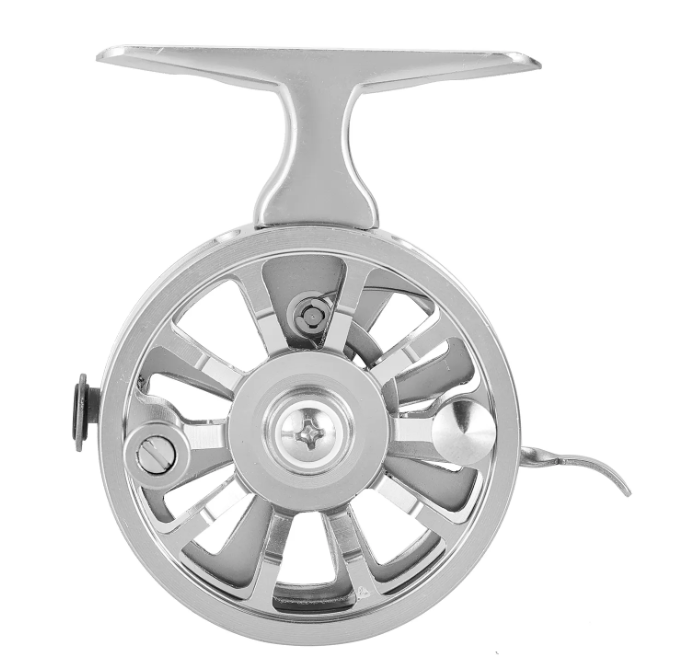
How Subzero Temperatures Impact Ice Fishing Reel Functionality
When temps drop below -20 degrees Fahrenheit (that's about -29 Celsius), something happens to fishing reel lubricants they get way too thick, around 85% thicker actually. This makes the internal parts stick together and often causes drag systems to stop working properly. The aluminum frames aren't immune either they shrink by roughly 0.2% when it gets this cold, which creates extra space between gears and messes with casting accuracy. And if that wasn't enough trouble, subzero weather brings another problem moisture starts turning into crystals. Ice builds up inside reel bodies and field reports show this leads to almost 40% more breakdowns compared to normal conditions. Fishermen who deal with these temperatures know all too well how frustrating equipment failure can be during winter months.
Durable Materials: Graphite, Aluminum, and Composite Bodies for Thermal Resilience
Today's ice fishing reels are built with forged graphite composites that hold about 92% of their strength even when temps drop to -40 degrees Fahrenheit, which beats what standard plastics can do. The marine grade aluminum used in these reels shrinks about 18% less than zinc based materials when cold, so they stay dimensionally stable without warping or distorting. Some manufacturers have started making hybrid designs that mix carbon fiber reinforcement into polymer bases. These combinations hit a thermal expansion rate around 0.0005 inches per inch per degree Fahrenheit, keeping gears aligned properly no matter how brutal the winter gets on frozen lakes.
Corrosion-Resistant Designs for Prolonged Exposure to Ice and Moisture
Stainless steel components with ceramic nanocoatings offer 2,400-hour salt spray resistance—essential for reels used in brackish ice environments. Hydrophobic spool coatings reduce ice adhesion by 67%, while triple-sealed drag washers prevent brine infiltration. Anodized aluminum side plates treated with microarc oxidation provide 500% greater corrosion resistance than powder-coated surfaces.
Drag System Reliability and Lubrication in Freezing Conditions
Maintaining Smooth Drag Performance Under Thermal Stress
When temps drop to around -20 degrees Fahrenheit or colder, regular drag systems start losing about two thirds of their grip because metals contract and oils get too thick. That's why top quality ice fishing reels fight back against these issues using special aircraft aluminum drag plates that stay stable even when things freeze up. They also come equipped with double adjusted springs designed to handle how materials actually behave when they shrink in the cold. And manufacturers make sure everything fits together just right with machining accuracy down to fractions of an inch so nothing gets stuck when it matters most on frozen lakes.
Winterized Lubricants and Anti-Freeze Formulations for Drag Systems
Traditional petroleum-based oils thicken below 15°F (-9°C), impairing performance. Modern alternatives are engineered for subzero operation:
| Lubricant Type | Operating Range | Key Additives |
|---|---|---|
| Synthetic Silicone | -40°F to 50°F | Polytetrafluoroethylene |
| Nano-Grease | -58°F to 32°F | Molybdenum disulfide |
| Phase-Change Fluid | -76°F to 14°F | Micro-encapsulated esters |
Field tests show synthetic silicone formulations reduce startup torque by 82% compared to conventional oils in freezing conditions.
Carbon Fiber vs. Washer-Based Drags: Performance in Extreme Cold
At temperatures as low as minus 30 degrees Fahrenheit (or minus 34 Celsius), carbon fiber drag systems hold onto about 91% of their normal friction levels. Stainless steel washers can't keep up, managing only around 63%. Carbon systems have another advantage too—they weigh roughly 40% less than traditional options and work reliably even when it gets really cold outside. But there's a catch. These systems need very careful installation to function properly and typically cost three times what standard setups do. On the other hand, washer based systems handle repeated freezing and thawing much better, though they tend to get stiffer and harder to adjust when temps drop below zero. Smart companies in the industry are starting to combine carbon fiber surfaces with titanium backing plates for a middle ground solution. This hybrid approach gives most of the benefits without breaking the bank quite so badly.
Sealed Ball Bearings and Anti-Ice Technology for Optimal Performance
Stainless Steel vs. Ceramic Bearings in Freezing Environments
Ceramic bearings stick to about 80 percent less ice compared to stainless steel when temperatures drop to minus 20 degrees Fahrenheit. This happens because ceramic has a smoother, non porous surface which cuts down on rotational drag by roughly 40 percent according to lab tests. On the flip side though, stainless steel handles impacts better with around 14 percent fewer fractures during stress testing, so it tends to hold up longer in harsh outdoor environments where things get bumped around. When deciding between these materials for actual projects, engineers need to weigh what matters most for their specific application smooth running performance versus how tough the bearing needs to be against rough handling and unexpected forces.
Sealed Bearing Systems: Preventing Ice Buildup and Internal Moisture
Triple-lip seals reduce moisture penetration by 92% compared to traditional bearing shields, effectively blocking ice infiltration. Hydrophobic coatings on bearing races prevent internal condensation during temperature fluctuations. A 2021 study of Arctic anglers found reels with fully sealed systems required 63% fewer maintenance interventions per season than unsealed models.
Debunking the Myth: Are More Bearings Always Better for Ice Fishing Reels?
Too many ball bearings can actually be a problem in really cold conditions. When there are seven or more bearings in a reel, that just means more places where things could go wrong during freezing weather. Most folks find that four to six precision sealed bearings work best overall. These setups manage to keep things running smoothly while keeping moisture out and making sure all parts work well together despite temperature changes. Some real world testing done on Lake Winnipeg tells an interesting story. They looked at reels with five bearings versus those with nine, but couldn't tell much difference in how they performed as long as both had those special seals designed for cold weather operation.
Spool Design and Line Management for Subzero Fishing Success
Proper line management is critical in subzero conditions, where lines stiffen below -20°F, reducing sensitivity and increasing coiling issues that affect catch rates.
Braided Line Performance and Behavior in Extreme Cold
Braided lines with low-stretch construction maintain responsiveness in freezing temperatures. Fused polyethylene braids retain 92% of their flexibility at -30°F (-34°C), crucial for detecting subtle bites. These thermally stable variants resist water absorption, minimizing ice crystallization within the weave.
Proper Spooling Techniques: Avoiding Twists and Ensuring Even Tension
Getting the most out of your setup means filling those spools about 90 to 95 percent full. This helps cut down on those annoying wind knots and makes casting smoother overall. Try the reverse spooling method sometimes too. Just put the spool on something warm, maybe around room temperature or so, to let the plastic memory loosen up before winding it all back on. Keep things tight while winding with proper clamps to get even layers across the spool. When spools are underfilled or have lumpy windings, folks notice a big difference in casting distance especially when fishing in cold weather. Some tests showed casts drop by nearly 37% under these conditions.
Preventing Line Freeze With Coated Lines and Optimized Spool Tension
Hydrophobic line coatings shed water four times faster than untreated lines, reducing ice buildup. Pair these with micro-grooved spool edges that break surface tension as line exits. Adjust drag systems to “winter mode” by slightly loosening tension—over-tightened drags create friction points where moisture accumulates and freezes.
Combining coated lines, proper spooling, and optimized tension ensures reliable performance when targeting walleye and pike beneath 18’ of ice.
Innovations in Ice Fishing Reel Technology for Enhanced Cold Weather Use
Integrated Anti-Ice Systems and Smart Material Applications
Modern reels feature hydrophobic coatings that reduce ice adhesion by 72% compared to standard models. Shape-memory polymers adjust spool tension automatically in response to temperature shifts, while carbon composite frames remain structurally sound at -40°F. These smart material applications mitigate core failure modes like gear seizure and component brittleness.
Next-Generation Ice Fishing Reels: Trends in Thermal Resilience and Durability
The latest aerospace grade aluminum alloys have thermal expansion rates about 34 percent lower compared to standard materials, which means they last longer under stress. When it comes to drag washers, those made from nano ceramics show roughly 58% less friction variation when temperatures change, beating stainless steel hands down in tests where things get both cold and wet. Reel manufacturers are also adopting multi chamber designs for their bodies. These separate the gears from moisture, stopping water from getting into sensitive areas. The effectiveness of this approach has been tested extensively too, with successful results after running simulations equivalent to 500 hours of actual ice fishing conditions.
How to Choose a High-Performance Ice Fishing Reel Based on Cold-Weather Innovations
When shopping for fishing reels, look for those featuring triple sealed bearings along with laminated drag stacks since these components tend to hold up much better when temperatures fluctuate between freezing and thawing conditions. Some tests have shown that such designs experience around 91 percent less decline in performance during these cycles compared to regular models. For anyone serious about winter fishing, it's worth checking how well the reel spool responds as temperatures drop. Testing typically involves measuring responsiveness at intervals where temps fall by ten degrees Fahrenheit each time down from thirty-two all the way to negative twenty degrees. The best quality reels generally maintain their smooth operation with only minor increases in resistance, often staying under fifteen percent even in extreme cold. Another important factor is whether the reel meets ASTM standard F3002-23. This certification ensures manufacturers subjected their products to extensive testing involving more than two hundred hours exposed to both salt water and ice conditions before getting approved for sale.
Table of Contents
- How Subzero Temperatures Impact Ice Fishing Reel Functionality
- Drag System Reliability and Lubrication in Freezing Conditions
- Sealed Ball Bearings and Anti-Ice Technology for Optimal Performance
- Spool Design and Line Management for Subzero Fishing Success
- Innovations in Ice Fishing Reel Technology for Enhanced Cold Weather Use