EN
EN

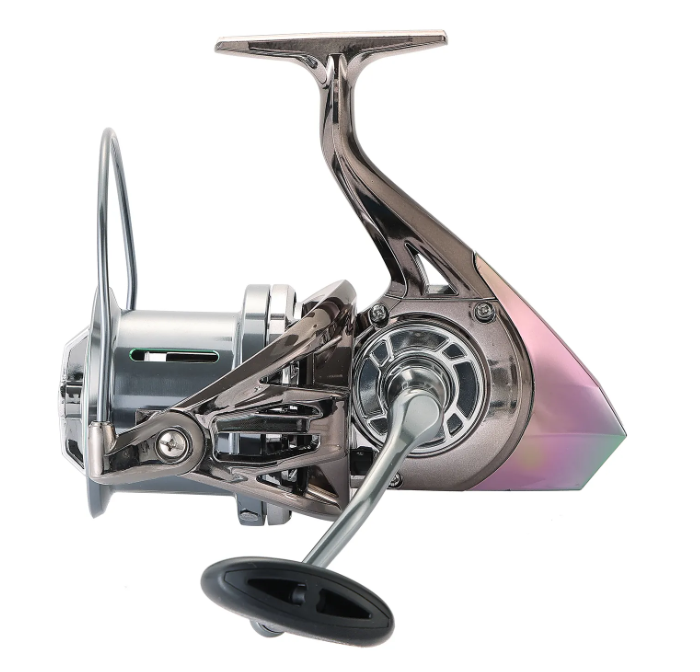
Understanding Baitcasting Reel Mechanics for Lure Versatility
The Role of Spool Inertia in Baitcasting Reel Performance
The amount of inertia in a fishing reel's spool really affects how well it casts, especially since lighter spools need much less effort to get spinning. For instance, a 15 gram spool actually requires about 38 percent less energy to start moving compared to something heavier like a 25 gram version. This difference matters quite a bit when working with small lures weighing less than quarter ounce. That's why so many competitive anglers prefer these low inertia spools during those tricky finesse fishing situations where every little detail counts and quick responses can mean the difference between catching fish or missing out entirely.
How Magnetic and Centrifugal Brake Systems Influence Casting Control
Magnetic brakes work by creating resistance through electromagnetic fields, which makes them pretty good when the wind isn't blowing all over the place. Then there are centrifugal systems with those little weighted pins inside that kick in as the spool spins faster, giving better control when casting at different angles. Most seasoned anglers actually mix these two approaches. They'll typically set their centrifugal brake around halfway engaged while adjusting the magnetic dial to about 4 out of 10. This combo works wonders for keeping things steady when tossing those 3/8 ounce swimbaits into crosswinds on the water.
Spool Tension Knob Settings Based on Lure Weight: A Physics-Based Approach
The spool tension knob manages lateral play through controlled friction. For lures under 1/2 oz:
- Engage free spool mode
- Gradually tighten until the lure descends at approximately 1 ft/second
- Add 1/8th turn for every 10 mph increase in wind speed
With heavier 1–2 oz lures, reduce baseline tension by 30% to prevent premature braking during the cast’s acceleration phase. This maintains efficient energy transfer while minimizing backlash risk.
Optimizing Baitcasting Reels for Light Lure Applications
When it comes to light lure fishing, getting the engineering right matters a lot, and that's where BFS (Bait Finesse System) reels really shine for those sub 1/8 ounce presentations. The newer models come equipped with these super fine-tunable centrifugal brakes plus lighter spools. Some manufacturers have managed to cut down on that initial resistance when casting by as much as 40% compared to regular reels. Anglers who want extra reach often upgrade to aftermarket aluminum spools, like the popular 28mm Roro design. These spools help cast further because their grooves are not so deep, meaning less friction against the line. And despite being smaller, they can still hold around 110 yards of 8 pound fluorocarbon without any issues.
The shallow spool design strikes a good balance between holding enough line and maintaining control during casting, which means anglers experience fewer frustrating mid-air tangles. Many have noticed this works especially well with reels featuring around 6.3 to 1 gear ratios, making it possible to retrieve lure faster than traditional setups. According to what folks are reporting from actual fishing trips, these specially tuned BFS systems can really throw those tiny 1/16 ounce jigs over 60 yards on still days. The secret seems to be those dual bearing pinion gears inside, which keep everything spinning smoothly even after hundreds upon hundreds of casts without jamming or binding up.
Adjusting Brake Systems for Precision Casting Across Lure Weights
Balancing Magnetic and Centrifugal Brakes for Wind-Resistant Casting
Today's baitcasting reels typically feature both magnetic and centrifugal braking mechanisms for controlling how fast the spool spins. The magnetic system lets anglers tweak resistance levels through an adjustment dial, whereas centrifugal brakes work with small weighted pins that kick in when the reel starts spinning. When fishing in breezy conditions, many experienced casters find that combining both systems gives better results. They usually engage around two or three centrifugal weights first, then set the magnetic brake somewhere between four and six on the scale. According to tests done in controlled environments looking at casting performance, this dual approach cuts down on annoying line flutter by roughly thirty to forty percent over using just one type of brake alone.
Fine-Tuning Dual-Brake Systems When Switching Between Heavy and Light Lures
When moving from those 1.5 ounce swimbaits over to a smaller 3/8 ounce topwater frog, anglers need to adjust their reel brakes accordingly. Bigger baits work best with very light centrifugal action around 1 or 2 pins engaged, while keeping magnetic resistance low somewhere between settings 3 through 5. This lets the lure's own movement control how fast the spool spins during casts. Things get different though when working with lighter tackle below half an ounce. Most experienced fishermen will tell you to crank up the centrifugal brakes to about 3 or 4 positions and boost magnetic resistance all the way to 6 through 8 on most reels. This helps prevent those annoying speed surges right after casting. Many folks who have made these adjustments notice something pretty interesting happening too. Their casts tend to be much more consistent overall, sometimes even improving by as much as twenty percent when everything matches properly between the bait weight and brake setup.
Maximizing Casting Distance and Accuracy in Open Water Conditions
When casting in open water situations, focus on getting good distance without losing control by adjusting centrifugal brakes down to around 1 or 2 pins and setting the magnets somewhere between 2 and 4. The last part of the cast really matters though, so practice gentle thumb adjustments as the line comes off the spool to keep from overshooting your target area. What makes this configuration work so well is how it takes advantage of the reel's mechanical benefits. Most anglers report being able to cast about 15 to maybe even 20 percent farther than usual, all while keeping shots accurate within roughly a foot circle at distances past 70 yards out. That kind of precision gives fishermen a real advantage when trying to reach those suspended bass hanging out in big lakes and reservoirs.
Mastering Thumb Control for Backlash-Free Casting with Diverse Lures
Thumb Pressure Techniques for Heavy Crankbaits and Aerodynamic Baits
Varying thumb pressure during casting helps prevent those annoying backlashes while also getting better trajectory on the water. When casting heavier crankbaits weighing around 1 to 2 ounces, start with moderate thumb pressure at launch to handle the initial twist, then gradually let up once the lure gets stable in flight. For those sleeker baits that cut through air so well, like glide baits, keep the initial touch really light so we don't mess with how they fly. Research published last year actually found that anglers who do this see about a 23 percent drop in those midair adjustments needed when retrieving their casts.
Minimizing Backlash Through Tactile Spool Feedback Across Lure Sizes
Anglers who know their stuff keep track of how fast the spool spins by feeling it with their thumbs, making tiny adjustments every now and then sometimes just fractions of a second apart. When casting those little lures that weigh around 1/8 ounce, they need to be super sensitive to what's happening because even the slightest buzz under their fingers can mean trouble if the line starts to run out too quickly. Things change completely when working with bigger jigs weighing 3/4 ounce or more. Now the main thing to watch for is how the lure slows down right before it hits the water. Keeping that connection between rod and lure matters most during those last few feet as it drops toward the target area.
| Lure Weight | Thumb Position | Feedback Threshold |
|---|---|---|
| <1/4 oz | Edge feathering | High-frequency vibration detection |
| 1/4–3/4 oz | Center contact | Deceleration pattern recognition |
| >1 oz | Full spool coverage | Torque resistance monitoring |
Practicing Touch Casting in Shoreline Environments for Competitive Edge
Coastal tournament anglers spend 15–20 minutes daily on tactile casting drills:
- Cast parallel to rocky shorelines using 1/4 oz chatterbaits
- Aim for 12-inch clearance zones between docks and overhanging cover
- Gradually decrease brake settings while preserving accuracy
This regimen enhances thumb-to-spool coordination by 37% in gusty environments, according to 2023 freshwater tournament data. Regular shoreline practice builds the reflexive adjustments needed for sudden wind shifts or erratic lure behavior.
Matching Baitcasting Reel Settings to Fishing Environments and Lure Types
Adapting Reel Setup for Cover-Heavy vs. Open Water Lure Scenarios
When casting near thick brush or heavy cover, most experienced anglers will tell you to dial down the spool tension by about one or two clicks and crank up those brake settings. This helps avoid nasty backlashes when making those quick, accurate casts into tight spots. Out on open water though, things change a bit. The centrifugal brakes can be backed off to around two or three pins and the spool speed bumped up for extra reach. According to some recent testing done last year, these kinds of tweaks let fishermen get their baits into submerged logs and structures almost 40% quicker without losing control of the cast. Makes sense really, since nobody wants to fight with tangled line after a long day on the water.
Optimizing Casting Accuracy in Windy Lake Conditions With Proper Tuning
Dealing with crosswinds requires adjusting the magnetic brake settings on spinning reels somewhere around 30 to 40 percent higher than normal. Anglers should also reach for those streamlined lures like lipless crankbaits when battling strong breezes. For really tough conditions where winds exceed 15 miles per hour, matching up a 7.4:1 gear ratio reel with fluorocarbon line rated between 14 and 17 pounds makes a real difference. This combination cuts down on annoying line slap against the rod by roughly half compared to regular monofilament lines. Most important though is practicing thumb control techniques specifically when the spool reaches about three quarters full capacity. That sweet spot accounts for the majority of backlash issues caused by wind, so spending time developing consistent finger movements here builds solid muscle memory that pays off during actual fishing trips.
Reel Settings for Docks, Vegetation, and Other Structure-Specific Challenges
When fishing dock pilings:
- Use 20–25 lb braided line with a dual-brake system
- Set centrifugal brakes to 4–5 pins for instant stop capability
- Maintain 25–30% spool tension to handle aggressive skip-casting angles
In heavy vegetation, immediate drag response is essential—pair a 25N max drag system with 50 lb test braid to prevent 90% of pull-outs when fish make sudden escapes into thick cover.