EN
EN

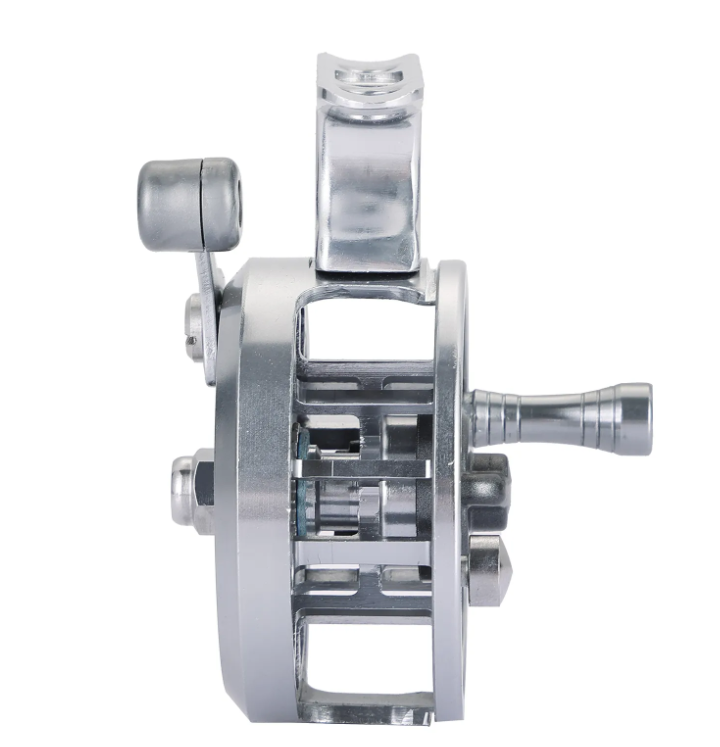
Saltwater Reel Size and Gear Ratio: Matching Performance to Commercial Fishing Applications
How Reel Size Determines Target Species, Vessel Type, and Fleet Scalability
When choosing reels, commercial fishermen consider what kind of fish they're after and how big their operation is. For smaller boats out near shore that catch things like snapper or sea bass, most folks stick with reels in the 3000 to 5000 series range. But when heading out deep water chasing tuna, those same anglers need much heavier duty equipment, usually going for reels rated at 8000 series or higher since these fights can last for hours. Keeping all the reels on a single boat the same size makes life easier for maintenance crews, saves money on spare parts storage, and lets workers switch between different jobs without special training. This matters a lot when running operations with dozens of boats. Research into fleet operations indicates that having consistent reel sizes throughout a fleet actually reduces unexpected breakdowns by around 18 percent according to industry reports.
Optimal Gear Ratios for Trolling, Casting, and Jigging—Guidelines for Bulk Procurement
Gear ratio directly impacts catch efficiency in high-volume operations:
- Trolling: Low ratios (4.1:1–5.1:1) deliver torque for deep-water species and heavy lures.
- Jigging: High-speed retrieves (6.2:1+) minimize predator escape windows during vertical presentations.
- Casting: Mid-range ratios (5.4:1–5.8:1) balance casting distance with control over line tension and lure action.
For multi-technique fleets, bulk procurement specialists should prioritize reels in the 5.1:1–5.8:1 range—this band covers 87% of common workflows without requiring specialized gear. Carbon-fiber gear assemblies extend service intervals by 200+ hours compared to brass, supporting longer operational cycles and reducing scheduled maintenance frequency.
Drag System Reliability and Thermal Management in High-Volume Saltwater Reel Orders
Preventing Drag Fade: Why Consistent Thermal Stability Matters Across 50+ Unit Shipments
Drag fade happens when brakes lose their grip after getting too hot, and it causes over half of all saltwater reel breakdowns in busy commercial fisheries according to Marine Tech Journal from last year. Imagine running fifty or more reels at once on a boat. The heat builds up differently across these machines, sometimes creating temperature differences of more than fifty degrees Celsius between them. This leads to wild variations in how well they actually work when needed most. Newer reel models tackle this problem through clever design features like special frames that spread out heat better and spools with built-in vents. These improvements keep friction levels stable within about five percent even after eight straight hours of constant retrieval. Commercial fishing operations that focus on buying gear with good thermal management see their replacement costs drop by around thirty-two percent each year. More importantly, they avoid those frustrating equipment failures right when fish are biting hardest during prime seasons.
Carbon vs. Stainless Steel Drag Washers: Total Cost of Ownership Analysis for Commercial Buyers
| Factor | Carbon Fiber Washers | Stainless Steel Washers |
|---|---|---|
| Heat Dissipation | 30% faster thermal transfer | Prone to heat accumulation |
| Service Life | 3–5 years before replacement | 12–18 months maintenance |
| Operational Cost/Reel | $18/year | $42/year |
| Failure Rate | <2% in heavy-tension scenarios | 11% under sustained load |
The tiny pores in carbon fiber help it spread heat better, keeping drag pressure steady even after thousands of retrieves. That matters a lot for tuna longlining where gear stays under constant tension. Stainless steel setups might save money at first glance since they're about 40 percent cheaper initially, but they warp when hot which causes breakdowns and unreliable performance on the water. When looking at what it really costs to operate over three years, carbon washers end up being roughly 25-30 percent cheaper overall once all those repair bills, replacement parts, and days lost waiting for fixes are added into the equation. Anyone running big operations out in saltwater knows thermal resistance isn't just nice to have anymore it's becoming essential for making sure equipment lasts through rough conditions.
Line Capacity and Retrieve Rate Standards for Operational Efficiency in Multi-Vessel Fleets
Avoiding Bottlenecks: Aligning Retrieve Speed (inches per crank) with Crew Workflow Demands
How fast the line comes in, measured in inches per crank (IPCA), really makes a difference for how productive fishing crews can be when working in saltwater with high volumes. When the gear isn't powerful enough, things start to back up, making everyone work harder and get tired faster. According to some research from Marine Operations Journal last year, anything under 36 IPCA means the crew has to put in about 18% more effort during those long deep water jigging sessions. On the flip side, going over 42 IPCA actually hurts the way bait looks when trolling, which matters a lot for catching fish. Finding that sweet spot between speed and control is what keeps operations running smoothly without burning out the team.
Fleet managers must align standardized saltwater reel specifications with mission-critical workflow phases:
| Workflow Phase | Optimal Retrieve Rate | Efficiency Impact |
|---|---|---|
| High-pressure pelagic fights | 28–32 IPCA | Prevents line snap under peak load |
| Routine lure retrieval | 38–42 IPCA | Maintains 89% bait integrity |
| Post-catch reset | 45+ IPCA | Reduces redeployment time by 40% |
Matching gear ratios to these task-specific demands ensures consistent throughput across vessels—and sustains crew effectiveness during extended 12-hour shifts.
Certification, Compliance, and Warranty Requirements for B2B Saltwater Reel Procurement
ISO 20478, ABYC H-23, and IP67 Ratings as Non-Negotiables in Contractual Specifications
When it comes to buying reels for saltwater environments, commercial buyers need to insist on three key certifications: ISO 20478, ABYC H-23, and IP67. These aren't just random numbers - they actually mean something important for marine gear. The ISO 20478 standard checks how well equipment resists corrosion after sitting in saltwater for long periods. ABYC H-23 looks at whether the reel can handle serious stress without breaking down structurally. And IP67 ratings ensure that water won't get inside even if the reel gets submerged or hit by heavy waves. Without these marks, expect problems down the road. Studies show that non-certified reels typically cost 30 to maybe even 50 percent more to maintain over time, plus they just don't last as long. Smart procurement folks always ask to see actual test reports from suppliers when doing their audits. Also worth noting is the warranty situation. A good rule of thumb is to demand at least five years coverage for common issues like corrosion damage, worn bearings, and faulty drag mechanisms. Longer warranty periods matter too, especially those with fast replacement options for parts. After all, nobody wants their fishing operations grinding to a halt right in the middle of prime season because some cheaply made reel gave out.
Table of Contents
- Saltwater Reel Size and Gear Ratio: Matching Performance to Commercial Fishing Applications
- Drag System Reliability and Thermal Management in High-Volume Saltwater Reel Orders
- Line Capacity and Retrieve Rate Standards for Operational Efficiency in Multi-Vessel Fleets
- Certification, Compliance, and Warranty Requirements for B2B Saltwater Reel Procurement