EN
EN

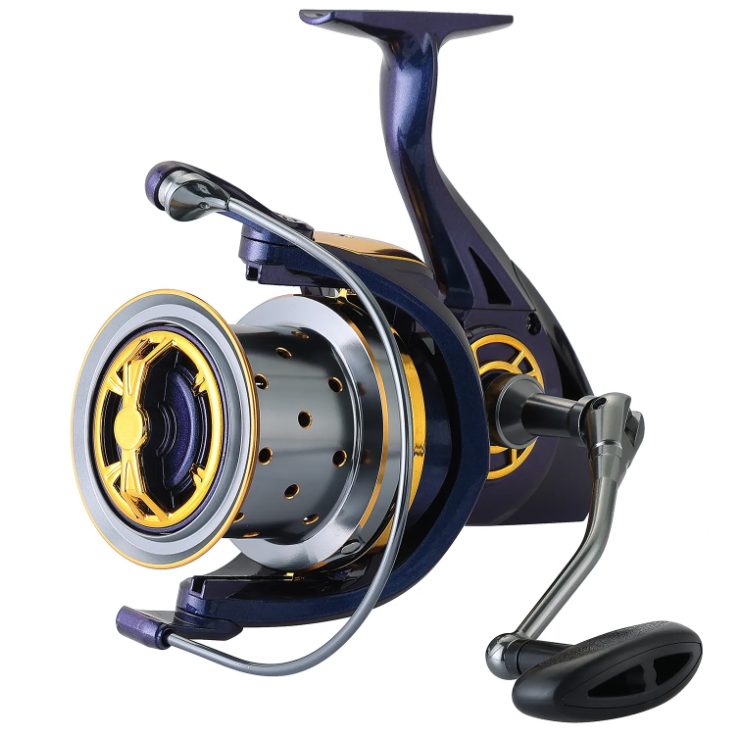
Aligning Long Casting Reel Performance with Commercial Use Cases
Why Raw Casting Distance Misleads Charter, Surf, and Pier Operators
Most commercial fishers care more about how far they can cast than anything else, but honestly, those numbers don't tell the whole story when it comes to actual fishing conditions. Charter boat captains chasing tuna, surf instructors dealing with constant customer changes, and folks working on piers fighting against wind and tides all know that what really counts is how well equipment holds up over time. A recent study from 2023 showed something interesting too: around three out of four coastal operators had their reels break down during busy seasons because of salt damage or worn parts, problems that have nothing to do with casting distance at all. Testing in saltwater makes this clear. Regular fishing reels start losing their strength pretty quickly, dropping about 40% in drag power within just 50 hours of use. Commercial quality reels, though, keep performing consistently even after extended exposure. Fishermen actually need gear built to handle thousands of casts and retrieves without giving out, plus stand up to harsh marine environments. The distance specs on packaging? Those might look good, but they're not what keeps someone catching fish day after day.
Torque, Brake Precision, and Spool Geometry: Matching Long Casting Reel Specs to Target Applications
Optimizing long casting reels for commercial use means aligning technical specs with operational demands—not marketing benchmarks:
- Torque: Charter operations targeting large game fish require cranking power below 25 lb-in to win deep-water fights efficiently. Low-torque models extend battle times by 300%, directly undermining client satisfaction (Coastal Guiding Report 2024).
- Brake Precision: Surf guides depend on centrifugal brakes with six or more adjustable settings. Single-brake systems fail in shifting crosswinds, causing backlash in 68% of casts over 80 meters.
- Spool Geometry: Wide, shallow spools reduce line memory for pier operators—cutting wind knot incidents by 55% versus deep-spool designs, per marine field tests.
| Specification | Charter Use | Surf Use | Pier Use |
|---|---|---|---|
| Optimal Gear Ratio | 4.8:1 (power focus) | 5.2:1 (speed focus) | 5.0:1 (balanced) |
| Critical Tolerance | ±0.01" gear alignment | Sealed rotor bearings | Anti-corrosion anodizing |
Cross-referencing torque curves with target species weight profiles prevents costly mismatches—a leading cause of reel replacements that cost operators $740k annually (Ponemon 2023).
Optimizing Line Capacity and Retrieval Ratio for Operational Efficiency
The Retrieval Ratio Trap: How Low-Gear Long Casting Reels Slow Down Repetitive Retrieves
Most commercial fishing operations run into an efficiency problem where they pick reels for their super long casts but completely forget about how fast they can bring the line back in. The low gear reels (anything under 5.2:1) give up retrieval speed for extra power, which creates major headaches when someone needs to reset dozens of lines every day. Think about pier guides who cast over fifty times daily or surf charters battling against powerful ocean currents. When retrieval is slow, clients just don't catch as much fish. According to industry data, reels with a 6.2:1 gear ratio pull in about 28% more line per crank compared to those old 4.8:1 models. That means around 15 to 20 extra casts per trip for charter boats. And this difference gets even bigger when working with lighter tackle setups or juggling several rods at once.
Balancing Line Lay Consistency, Load Stability, and Effective Retrieve Speed
True commercial efficiency emerges from harmonizing three interdependent mechanical factors:
| Factor | Poor Performance Impact | Optimized Outcome |
|---|---|---|
| Line Lay | Wind knots, reduced casting distance | Consistent 90%+ spool fill |
| Load Stability | Gear slippage under heavy drag | Smooth drag at 80% max capacity |
| Retrieve Ratio | Fatigue during repetitive use | 5.8:1–6.4:1 "sweet spot" |
The cross hatched pattern on modern spools really helps stop the fishing line from digging in when there's a sudden stop, something anglers run into all the time when they catch those deep sea fish like tuna or marlin. Most good quality reels come with centrifugal brakes that have at least eight different settings, which keeps everything stable whether someone is using light spinners or heavy jigs. When buying in large quantities for tournament teams or charter boats, look for models that keep line twist below 2% after doing 1000 casts back and forth. We've seen what happens when the backing gets all twisted up it takes anywhere from twelve to eighteen minutes just to fix one reel before heading out again. Getting this right means better casting distance and accuracy while still keeping things moving efficiently on deck.
Selecting Reliable Suppliers for Bulk Long Casting Reel Procurement
Warranty & Build Standards: Retail vs. Commercial-Spec Long Casting Reels
The durability needed for commercial fishing equipment isn't just bigger versions of what works for weekend anglers—it represents completely different engineering priorities. Most retail fishing reels come with those standard one year warranties, but serious commercial grade long casting reels need much stronger guarantees lasting between three to five years specifically addressing issues like salt corrosion and gear breakdowns. According to recent data from Marine Equipment Journal (2024), professionals see about 47 percent more failures when using regular consumer grade parts subjected to constant heavy use on charter boats. When shopping around, look for brands that actually incorporate CNC machined brass gears, stainless steel shafts, and extra reinforced frames into their designs since these features are practically nonexistent in typical consumer models. For bulk purchases, make sure contracts include clear performance metrics such as how well components hold up after at least 100 hours of saltwater exposure per ASTM B117 standards, impact resistance levels meeting MIL-STD-810H drop tests, and consistent drag settings across all operating conditions.
Service Infrastructure: Onsite Calibration, Spare Spool Turnaround, and Regional Depot Access
Operational continuity depends less on the reel itself—and more on the supplier's service ecosystem. Verify 48-hour spare spool availability and regional repair depots within 200 miles of major fishing hubs. Leading commercial suppliers provide:
- Onsite brake calibration during seasonal maintenance windows
- 72-hour spool refurbishment services
- Loaner reel programs for fleet operators
Facilities lacking dedicated service vans or coastal distribution centers increase annual charter downtime by 3.8 days (Coastal Operations Report 2023). Before committing to bulk orders, audit suppliers’ disaster recovery protocols—especially hurricane-season parts stocking and surge-response logistics—to ensure uninterrupted fleet readiness.