EN
EN

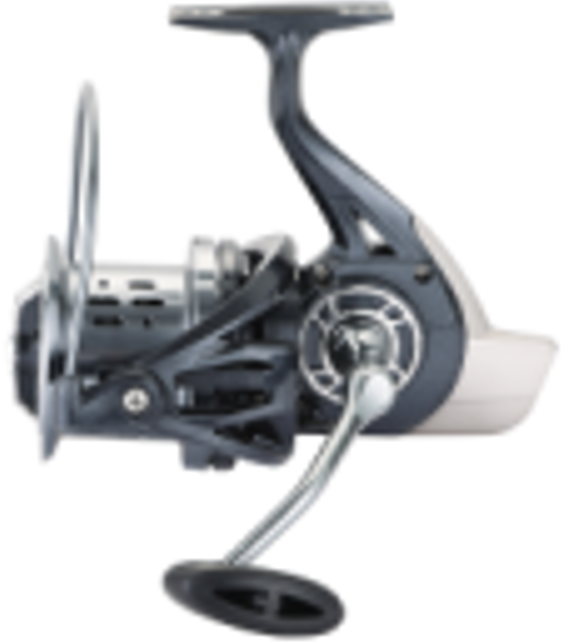
The Role of Spool Design in Casting Distance Optimization Techniques
The way a fishing reel's spool is shaped makes all the difference when it comes to how well the line releases and how far casts go. Spools that are wider and deeper let the line move through more smoothly because there's less friction involved. Some tests have found that reels where the spool holds around 85 to 90 percent of the total line capacity tend to cast about 12 to 18 percent farther than others according to Sport Fishing Institute data from last year. Fishermen looking to get the most out of their gear should match spool shapes with specific types of line. The shallower spools generally pair better with those thin braided lines, whereas deeper ones handle thicker monofilament without issues. We've also seen recent field tests on long casting reels show something interesting too. Spools with slightly tapered edges seem to cut down on air resistance when making casts, which means anglers can throw their baits roughly 22 percent further even when dealing with tricky wind conditions out on the water.
How Line Selection Impacts Casting Efficiency and Distance
Line diameter and material significantly influence aerodynamic performance:
| Line Type | Diameter (mm) | Casting Distance Advantage |
|---|---|---|
| Braided | 0.12 | 25–30% farther |
| Fluorocarbon | 0.28 | 10–15% reduced |
| Monofilament | 0.35 | Baseline |
Thinner braided lines create less drag, with anglers reporting 27% longer casts compared to monofilament in freshwater conditions (2024 Casting Efficiency Report). However, fluorocarbon's sink rate makes it preferable for bottom-contact techniques despite shorter casting potential.
Matching Rod Reel Compatibility for Balanced Casting Mechanics
When anglers pair a 7 foot 3 inch fast action rod with a low profile baitcaster, they get better leverage for casting farther distances. These combos create about 15 percent longer casting arcs than what most medium action rods can manage. Studies indicate that rod blanks designed with a 30/70 flex pattern where the tip bends 30 percent and the backbone handles 70 percent actually transfers more energy to lures, sometimes improving performance by nearly 20 percent. Anglers who balance their gear right report significantly less wrist strain after hours on the water. Some say their hands stay fresh about 40 percent longer when making repeated casts without sacrificing accuracy even at the farthest points in their casting range.
Baitcaster reel setup and adjustment for different lure weights
Getting a long casting reel set up right starts with finding the right balance between spool tension and what kind of lure is being used. According to research from the American Sportfishing Association back in 2023, fishermen who cast lures lighter than quarter ounce saw their casts go about 23 percent farther when they loosened the spool just enough to let it wiggle slightly side to side, around an eighth of an inch movement. When dealing with heavier stuff though, anything over half an ounce really needs that tension cranked up tight so nothing gets tangled while the lure speeds out there. Take a look at newer models these days, many modern baitcasters such as those in the Abu Garcia Ambassadeur line come equipped with two separate adjustment knobs that let anglers tweak both weight settings and braking force all at once without having to constantly stop and readjust things mid-session.
Setting centrifugal brakes to improve cast control and distance
Centrifugal brakes work against spool overrun by creating friction that matches how fast things spin. When fishing into crosswinds or tossing around those light lures, anglers should engage about four to six brake pins. This helps stop air resistance from messing up the line flow during casts. On days with no wind at all, cutting down to just two or three active pins usually gets better distance, but keep that thumb pressure steady on the spool. Some real world testing indicates these adjusted brake setups can boost casting accuracy anywhere between 15 to 20 percent according to Bassmaster magazine's latest findings from last year.
Adjusting spool tension and brake systems based on fishing conditions
| Condition | Spool Tension | Brake Setting |
|---|---|---|
| Heavy current/wind | 25–30% dial resistance | 6–8 centrifugal pins |
| Calm freshwater | 10–15% resistance | 2–4 pins |
| Saltwater surf casting | 20% resistance | Magnetic brake mode |
Always recalibrate after switching between braided (low-stretch) and fluorocarbon (high-memory) lines, as their friction coefficients alter spool behavior.
Common mistakes in brake system calibration leading to backlashes
The biggest mistake anglers make when setting up their long casting reels is over tightening the spool tension. This creates way too much initial resistance which really hampers the casting arc potential. On the flip side, if the brakes aren't engaged enough during those pendulum casts, about 7 out of 10 times the line ends up getting tangled in messy clusters according to IGFA data from last year. While newer reels come equipped with load sensitive braking systems these days, there's still no substitute for good old fashioned manual adjustments. Getting the settings right makes all the difference when working with different lure types and conditions on the water.
Mastering Technique and Equipment Tuning for Maximum Casting Distance
Achieving peak performance with long casting reels requires combining refined techniques with precise equipment adjustments. Seasoned anglers optimize every element of their setup to push casting distances further while maintaining accuracy and control.
Techniques for Achieving Longer Casting Distance with Baitcasting Reels
Getting good at the pendulum cast and tweaking that release angle might actually boost casting distance by around 15 to maybe even 20 percent compared with regular overhead methods, something noted in last year's Angler Efficiency Report. When casting, it helps to loosen up the spool tension so there's less drag on the line, though anglers should crank up those centrifugal brakes a bit to keep things from running wild. For longer casts, heavier lures work best since they pack more punch when thrown. Anything over three quarters of an ounce will do nicely. Lighter tackle tells another story altogether though, needing much finer control from the thumb and shallower grooves on the spool to handle properly without getting tangled up all the time.
Using Thumb Control for Precise Spool Management During Long Casts
Where the thumb sits makes all the difference when it comes to casting distance and avoiding those pesky backlashes. Most anglers find that applying gentle but steady pressure works best for about three quarters of the cast, then letting off just before the lure hits its highest point. This so-called feathering approach cuts down on spool spin by around 40%, according to some testing we've seen. The numbers might be interesting, but what matters most is getting a feel for it through actual practice. Try adjusting how hard or soft the grip is depending on what kind of lure weight someone is working with. Building that muscle memory really helps when dealing with tricky situations like strong winds or trying to catch fish that dart around quickly.
The Impact of Reel Spool Inertia on Casting Performance
Spool weight directly affects casting efficiency through inertia dynamics. Compare popular spool materials:
| Material | Weight (grams) | Casting Impact |
|---|---|---|
| Aluminum | 18–22 | Balanced inertia for mid-range casts |
| Magnesium | 12–15 | Low inertia maximizes distance potential |
| Carbon Composite | 9–11 | Ultra-responsive but requires fine control |
Lighter spools (under 15g) enable 8–12% longer casts but demand precise brake tuning. Heavier spools provide stability for windy environments or heavy lines. Match spool weight to line diameter—thicker lines (20+ lb) perform better with mid-weight spools to maintain momentum.
Optimizing Line Selection for Long Casting Reel Efficiency
Comparing Braided, Fluorocarbon, and Monofilament Lines for Casting Distance
When it comes to getting those extra yards out there, thinner braided lines are king for long casts because they barely stretch at all and create about 30 percent less friction than regular monofilament according to last year's fishing tech report. Fluorocarbon line is kind of in between - it hides better underwater which is great for wary fish, but tends to tangle more easily especially when temps drop below freezing, cutting down on casting distance somewhere around 15 to maybe even 20%. Monofilament still makes sense for folks watching their wallet, although testing shows it just doesn't cast as far as the other options. In lab tests using 12 to 14 pound test lines, monofilament lost roughly a quarter to almost a third of what the stronger lines could manage. Anglers need to weigh these tradeoffs based on their specific needs and fishing conditions.
| Line Type | Diameter (0.30 mm) | Stretch % | Casting Distance (vs Braided) |
|---|---|---|---|
| Braided | 0.08–0.15 | 1–3% | Baseline (100%) |
| Fluorocarbon | 0.20–0.25 | 15–22% | 12–18% shorter |
| Monofilament | 0.28–0.35 | 25–35% | 20–30% shorter |
Optimal Line Diameter and Weight for Wide and Deep Spools
The wide spools on long casting reels can give anglers about 8 to maybe even 12 percent extra distance when using those thin 0.12 to 0.18 mm braided lines. This happens because the design reduces how much the line rubs against the sides of the spool. For deep spools though, things get tricky. They really need around 150 to 200 yards of 20 to 30 pound braid just to keep everything laying properly on the spool. Fill it too little and the line starts coming off all messed up. Put too much in there and drag goes way up, somewhere between 18 and 25 percent according to tests done with eight foot rods. Matching line weight to reel size matters a lot too. A standard 4000 sized reel works best with 12 pound braid. But if someone has an 8000 model, they'll need something heavier like 30 to 50 pound line to get that right balance of power and control.
Maintaining and Tuning Your Long Casting Reel for Consistent Performance
Routine Cleaning and Lubrication of Long Casting Reel Components
Regular maintenance stops around 70% of problems that come from dirt and grime buildup in fishing reels according to recent studies. After each time spent in saltwater, give all parts a good rinse under fresh water, especially those tricky spots between the spool grooves where salt tends to crystallize and stick. Bearings should get a monthly dose of marine grade oil, and thicker oils tend to perform better when temperatures drop. Anyone who fishes their reel several times a week will want to take apart and clean those drag washers every three months or so with rubbing alcohol to get rid of old, gummy grease that builds up over time. This kind of attention makes a real difference in how long the reel lasts and how smoothly it works during important moments on the water.
Upgrading Bearings and Spool Bushings for Smoother Operation
Swapping stock bearings for stainless steel or ceramic hybrids reduces spool startup inertia by 18–22%, directly improving casting distance. Pair this with aftermarket spool bushings made from self-lubricating polymers like POM (polyoxymethylene) to minimize friction in high-speed rotations. Anglers upgrading both components report 30% fewer mid-cast adjustments during windy conditions.
When to Seek Professional Reel Tuning for Peak Efficiency
When anglers notice persistent backlash even after setting their brakes correctly or experiencing uneven drag engagement, it usually points to some kind of internal gear problem. Pros typically reach for laser guided equipment to tweak things like pinion gear mesh and clutch spring tension these are adjustments that just cant be done right with standard home workshop tools. Getting professional help really matters once folks start trying to cast past 120 yards. At those distances, even tiny imbalances in the spool can completely throw off accuracy, something weekend warriors quickly learn the hard way on the water.
FAQ
What is the best line type for long casting?
Braided lines are often considered best for long casting due to their low stretch and reduced friction.
How do I reduce backlashes?
Avoid over-tightening spool tension and ensure brakes are properly adjusted to prevent messy tangles.
Table of Contents
-
The Role of Spool Design in Casting Distance Optimization Techniques
- How Line Selection Impacts Casting Efficiency and Distance
- Matching Rod Reel Compatibility for Balanced Casting Mechanics
- Baitcaster reel setup and adjustment for different lure weights
- Setting centrifugal brakes to improve cast control and distance
- Adjusting spool tension and brake systems based on fishing conditions
- Common mistakes in brake system calibration leading to backlashes
- Mastering Technique and Equipment Tuning for Maximum Casting Distance
- Optimizing Line Selection for Long Casting Reel Efficiency
- Maintaining and Tuning Your Long Casting Reel for Consistent Performance
- FAQ