EN
EN

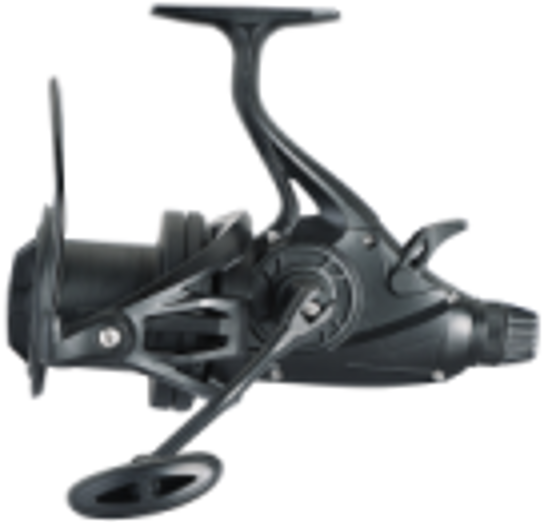
The role of the drag system in controlling large carp
The drag system on a carp fishing reel basically works like a pressure control valve, keeping the right amount of tension on the line when fighting big fish. These days most reels use either carbon or ceramic washers to create friction, which lets the line slip out at a controlled rate without losing too much resistance. According to some recent testing from the Angling Tech folks in 2024, multi disc drag systems cut down on lost fish by about 22% compared to old school single washer designs, especially important when dealing with those heavy carp over 20 pounds. Getting the drag set just right makes all the difference. If it's too tight, the line snaps when the fish makes one of those sudden explosive runs that carp are so famous for.
Front drag vs disengageable brake: Which offers better control?
With front drag systems, those adjustment knobs sit right next to the spool so anglers can tweak tension while battling fish. Rear brakes offer easy access but just don't give the same level of control when making small adjustments. According to tests from CPS Tackle last year, front drags handle about 30% more pressure because they transfer force straight through the system. Most serious carp anglers who target fish over 30 pounds swear by front drags during tournaments. They work best in thick weeds where fish often make explosive runs, something rear drag setups struggle with consistently.
Brake power and drag system synergy for optimal fight management
When anglers combine their brake settings with drag adjustments, they create multiple layers of resistance against fighting fish. For open water situations, setting the brakes higher around 4 to 6 out of 10 works best with tighter drag settings. But when casting into areas full of snags, most experienced fishermen drop their brake pressure down to about 2 or 3 on the same scale and go with looser drags instead. Getting this right stops the rod from breaking under stress and makes it harder for carp to get any real purchase. Some newer reels come equipped with clever systems that adjust brake sensitivity automatically as drag settings change, cutting down on those constant little tweaks needed during intense fights with big fish.
Trends in sealed drag systems with carbon washers
Sealed drag chambers have become pretty standard these days because they keep out silt and moisture, which cause about 63% of all reel problems according to the Angling Trust report from last year. High end reels typically use carbon composite washers instead of old school felt ones, and these new materials give around 15% better smoothness when adjusting resistance. There's been a real shift toward hybrid systems lately too. These combine the heat handling properties of carbon with the tough nature of stainless steel. Professional carp anglers have really taken notice, with double the number using these hybrids compared to just three years ago back in 2021.
Line Capacity, Spool Design, and Casting Efficiency in Carp Fishing Reels
Matching Reel Capacity to Water Depth and Fishing Structure
Picking the correct amount of line capacity really comes down to two main factors water depth and what's lurking beneath the surface. When fishing in those shallow backyard ponds where there aren't many obstacles, most anglers find that reels loaded with around 150 to 200 yards of 15 to 20 pound braided line works just fine for their needs. But things change when we're talking about deeper waters like lakes or rivers filled with old logs and brush. That's when going with something like 250 yards or more becomes necessary so we can handle longer casts without getting tangled up or losing complete control over our lines. Big name reel makers have actually started making special designs for these bigger capacities, ensuring they still cast well and perform consistently even with all that extra line onboard.
Wide Spools and Their Contribution to Casting Distance
The bigger spools we see these days really cut down on line tangling problems while making those casts go further out there. Fishermen have noticed something interesting too - when they upgrade to a 4.5 inch spool size instead of regular ones, their casts tend to reach about 12 to maybe even 15 percent farther. That extra distance makes all the difference when trying to hit those fish hanging around deeper water spots. And let's not forget about what happens once the fight starts. Those wider spools just work better with the drag system, so there are fewer instances where the pressure jumps suddenly and risks popping off that hard fought catch.
Precision Line Lay and Reduced Memory Effect With Braided Lines
Advanced line management systems, such as synchronized oscillation gears, ensure uniform layering. When paired with low-memory braids (5% elongation), they reduce springback tangles by 30–40% compared to monofilament. Anglers report 25% fewer casting interruptions when using reels with tapered spool edges and micro-adjustable level winds.
Spool Lip Shape and Its Impact on Tangle Resistance
Concave lips minimize air resistance for smoother line flow, while rounded edges reduce friction during sudden stops. Sharp-angled lips can bury braided line into lower layers under heavy load. Field tests show reels with parabolic lip profiles reduce wind knots by 50% in crosswind conditions over 15 mph.
Gear Mechanics and Retrieval Rate: Power and Speed in Carp Reels
Understanding Retrieval Ratio and Crank Turn (TMV) for Lure Recovery
The gear ratio on a carp fishing reel like 6.2:1 basically tells us how much fishing line gets pulled in with each turn of the handle. When we look at higher ratios above 7.1:1, these reels can pull back around 32 to 35 inches per crank, which is great when casting lures quickly across open waters where carp tend to roam freely (according to Plusinno's research from last year). On the flip side, lower ratios below 5.4:1 give better torque, making them perfect for battling big fish tangled up in thick weeds or roots along the bank. There's also something called the Turn per Meter Value (TMV) that counts exactly how many times someone needs to crank the handle to bring in one full meter of line. This number helps serious anglers pick the right reel setup depending on what kind of fishing conditions they expect to encounter out on the water.
Gears & Rotor Technology: Balancing Smoothness and Power Transmission
Precision-cut helical gears and reinforced rotors minimize energy loss during power transfer—essential when battling 30 lb+ carp. Advanced rotor alignment systems prevent gear slippage, a cause of 73% of reel failures in trophy carp fights (Angling Trust 2023), ensuring reliable performance under extreme stress.
Bearing Count and Anti-Corrosion Treatments in Modern Carp Fishing Reels
Premium models use 10+ sealed stainless steel bearings, reducing friction by 40% compared to brass bushings. Marine-grade anodizing protects internal components from pH fluctuations in alkaline waters, extending reel lifespan by 5–7 years even with weekly use.
High Gear Ratios vs Torque Loss: Navigating the Performance Trade-Off
While 8.1:1 reels excel at rapid shallow-water retrieves, they generate less cranking power and struggle with submerged snags. Conversely, 4.7:1 models produce 22% more drag pressure (Baitworks Lab Tests 2023), making them essential for combative fish in tangled margins. Many experienced anglers carry both configurations—one for open water, another for close-quarters combat.
Material Quality and Durability: Building Long Lasting Carp Fishing Reels
Aircraft grade aluminum and anodizing: Why material matters
The best carp reels out there are built with stuff straight from the aerospace industry, specifically 6061-T6 aluminum alloy which gives them both strength and lightness without compromising quality. When manufacturers apply Type III anodizing, they get something pretty impressive too. The surface hardness goes well beyond 60 Rockwell, making these reels about three times less likely to show scratches compared to regular coatings based on what we've seen from recent tests in the field. What really matters for serious anglers is how this setup holds up against corrosion from saltwater environments while still spinning smoothly even after tens of thousands of casts and retrieves. Some models have been tested to work flawlessly past 50 thousand retrieval cycles, which speaks volumes about their build quality.
Weight reduction without sacrificing structural integrity
Using magnesium composites instead of traditional brass gears cuts down weight by around 35%, all while keeping the same torque capacity intact. The engineering teams typically run simulations through finite element analysis software to pinpoint where stress concentrations happen in those rotor arms and spool shafts. This lets them strengthen those spots so carbon fiber main gears can handle drag forces as high as 25 kilograms before showing signs of wear. When it comes to comfort during long fishing sessions, most experts agree that the reel should weigh between 18% to 22% of what the whole rod and reel combination weighs together. Too light and the angler feels disconnected from the fight; too heavy and fatigue sets in quickly after just a few hours on the water.
Sealed bodies and corrosion resistance for all-weather performance
Six-layer sealing systems—using hydrophobic gaskets and nanoceramic coatings—prevent water ingress at depths beyond 10 meters. Laboratory tests show these reels retain 98% bearing efficiency after 72 hours of continuous salt spray exposure, making them ideal for brackish estuaries and harsh conditions.
Ergonomics and Innovation: Comfort and Future Trends in Carp Reel Design
Reel Weight and Balance: Reducing Fatigue During Extended Sessions
These days, fishing reels are designed with ergonomics in mind, focusing on shapes that fit the hand better and distribute weight evenly across the reel so anglers don't get sore wrists after spending hours at it. Manufacturers have started using lighter materials such as magnesium aluminum mixtures which make the reels feel less heavy without sacrificing durability—something fishers really notice when they're wrestling with those big 30 pound carp all day long. According to research published last year in biomechanics journals, reels that weigh between 14 and 17 ounces and maintain around a 1 to 3 ratio between handle length and spool size can cut down on arm tiredness by nearly a quarter compared to older, heavier designs. That makes a world of difference when casting repeatedly throughout the day.
Smart Drag Indicators and Real Time Tension Feedback Systems
The latest generation of fishing reels now comes equipped with tiny load sensors built right into their drag systems. These sensors actually show what's happening with the tension through colorful LED lights on the reel itself. Fishermen can keep an eye on if their drag settings match up with how fast a carp tends to run away (usually somewhere between 12 to 18 miles per hour) while still holding onto their rods without getting distracted. A few experimental models even shake the handle gently when the drag gets too tight, letting anglers know they're approaching dangerous territory where the fishing line might snap under pressure.
Future Outlook: Adaptive Retrieval and Modular Reel Designs
New tech is coming out all the time, including smart drag systems powered by artificial intelligence that can tweak braking settings depending on water temps and what size carp we're after. Anglers now have these modular reel designs that make switching between different spool sizes from the 6000 to 14000 range much easier, plus they can change gear ratios anywhere between 4.7 to 6.2 pretty fast. Most tournament fishermen want this kind of flexibility these days, according to those survey results where around three quarters said they needed equipment that works across multiple situations. Some companies are even experimenting with special carbon shells for reels that have built-in sensors. These help improve casting precision when dealing with thick reeds and other tricky conditions on the water.
FAQ
What is the role of a drag system in a carp fishing reel?
The drag system acts like a pressure control valve, maintaining the right tension on the line when fighting big fish, allowing the line to slip out at a controlled rate without losing resistance.
Which provides better control, front drag or rear drag systems?
Front drag systems offer more control and can handle about 30% more pressure than rear drags, especially crucial when targeting larger carp.
How do sealed drag systems benefit anglers?
Sealed drag systems keep out silt and moisture, significantly reducing reel problems and leading to better smoothness in resistance adjustments.
What considerations should be taken regarding line capacity in carp fishing reels?
The correct line capacity depends on water depth and obstacles; deeper waters require more line capacity for effective fishing.
How does spool design affect casting distance and efficiency?
Wider spools reduce line tangling and increase casting distance, crucial for reaching fish in deeper water spots.
Table of Contents
- The role of the drag system in controlling large carp
- Line Capacity, Spool Design, and Casting Efficiency in Carp Fishing Reels
- Gear Mechanics and Retrieval Rate: Power and Speed in Carp Reels
- Material Quality and Durability: Building Long Lasting Carp Fishing Reels
- Ergonomics and Innovation: Comfort and Future Trends in Carp Reel Design
-
FAQ
- What is the role of a drag system in a carp fishing reel?
- Which provides better control, front drag or rear drag systems?
- How do sealed drag systems benefit anglers?
- What considerations should be taken regarding line capacity in carp fishing reels?
- How does spool design affect casting distance and efficiency?