EN
EN

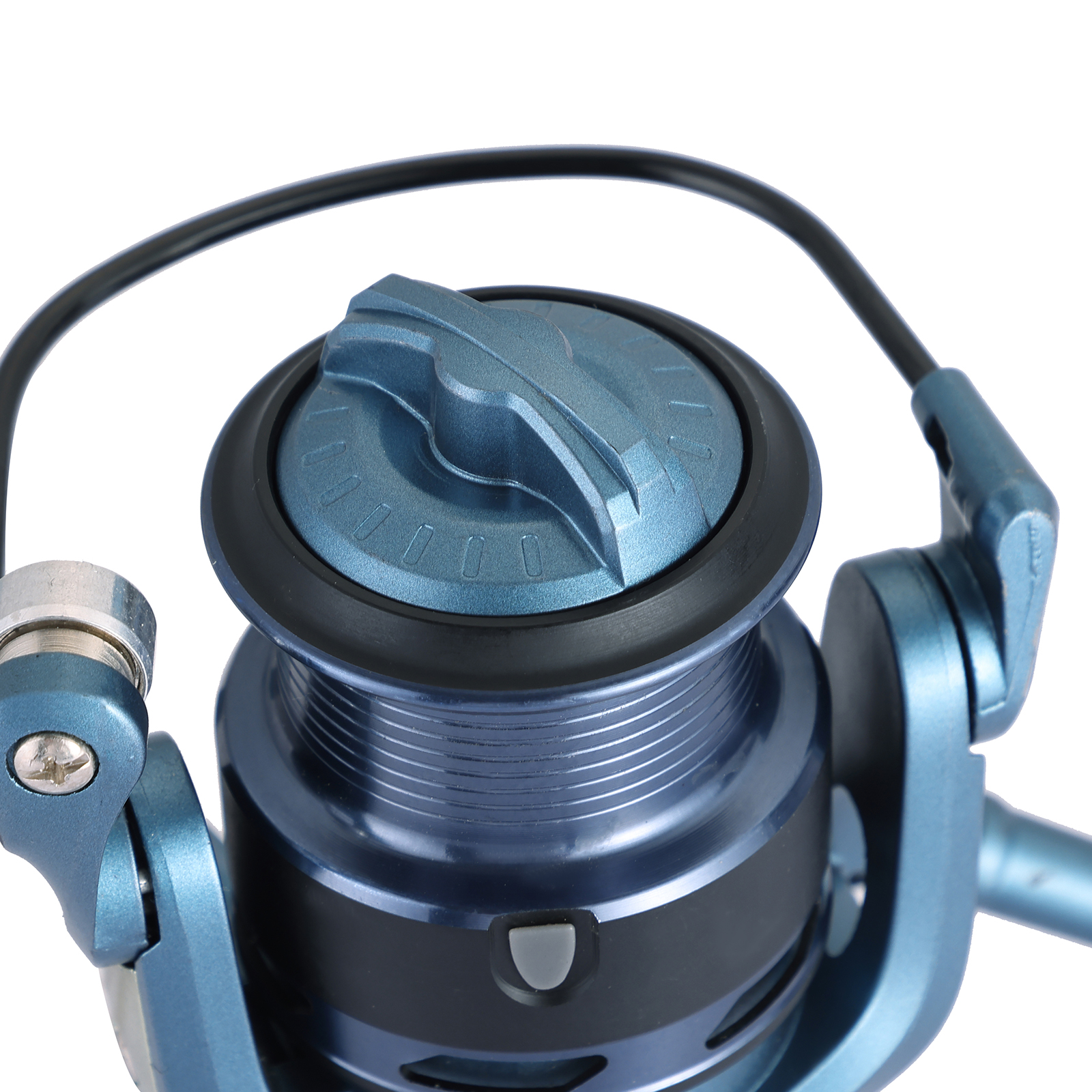
The Number That Changes Everything
Walk into any tackle shop and pick up a reel box. The first spec that jumps out—after the size number—is usually that pair of digits separated by a colon. 5.2:1. 6.4:1. 7.1:1. Maybe even 9.0:1 if the box is trying to look impressive. Most anglers glance at it, nod, and move on. But that ratio determines more about how a bait moves through the water than almost any other single specification on that reel.
The gear ratio tells you how many times the spool rotates for each full turn of the handle. A 6:1 ratio means the spool spins six times per crank. Simple math. But what that translates to on the water—the speed of the retrieve, the torque available to winch a fish out of heavy cover, the cadence that triggers strikes—that’s where the real story lives.
Speed vs. Power: The Trade-Off That Never Goes Away
Here’s the thing about gear ratios that doesn’t show up on the box: higher ratios deliver speed, lower ratios deliver cranking power. And you can’t have both at the same time. A reel with a 7:1 ratio pulls in roughly thirty inches of line per handle turn, while a 5:1 model brings back about twenty inches. That extra ten inches per crank adds up fast over a long cast. But the trade-off is noticeable when a big fish digs deep. Lower gearing effectively gives the angler more leverage—more “muscle” to turn the handle against heavy resistance.
Think of it like gears on a bicycle. The high gear gets you down the road fast but makes climbing a hill brutal. The low gear crawls along but powers up that same incline without killing your legs. Same principle, different application.
Matching Ratios to Techniques: Where the Rubber Meets the Road
Choosing the right ratio starts with answering one question: what’s the presentation?
For crankbaits and spinnerbaits, a faster ratio—something in the 7:1 or even 8:1 range—lets the angler burn the bait back to the boat and trigger reaction strikes. Those baits are designed to vibrate and wobble at speed; a slow retrieve defeats the purpose. For deep-diving crankbaits that create massive water resistance, a slower ratio around 5:1 or 5.4:1 makes more sense. The lower gear gives the angler the cranking power needed to keep those big-lipped plugs diving properly without wearing out the forearm.
For finesse presentations like drop-shotting or shaky heads, the ratio matters less than the feel. Many anglers prefer a moderate ratio around 6:1 for these techniques—fast enough to take up slack quickly when a fish picks up the bait, but not so fast that it rips the hook out on the swing.
Then there are the power-fishing techniques. Flipping and pitching into heavy cover calls for a high-speed reel, often 7:1 or 8:1. The reason isn’t about the retrieve speed—it’s about line management. When a fish eats the bait in thick vegetation, the angler needs to crank down and winch that fish out before it wraps around a stump. The high ratio brings line back onto the spool fast, keeping tension on the fish and reducing the chance of getting broken off.
The Inches-Per-Turn Reality Check
Here’s where the numbers get real. Gear ratio alone doesn’t tell the whole story because spool diameter also affects how much line comes back per crank. A larger spool retrieves more line per revolution than a smaller one, even at the same ratio.
| Technique | Recommended Ratio | Inches Per Turn (Approx.) | Best Use Case |
|---|---|---|---|
| Deep cranking | 5.0:1 – 5.4:1 | 20 – 22 | Big crankbaits, heavy resistance |
| All-purpose | 6.0:1 – 6.4:1 | 24 – 26 | Versatile, good for most applications |
| Power fishing | 7.0:1 – 8.0:1 | 28 – 32 | Flipping, pitching, topwater |
| Burn retrieval | 9.0:1+ | 34+ | Reaction baits, waking lures |
What this table doesn’t show is that the “standard” ratio has crept upward over the years. What used to be considered fast—6.4:1—is now often viewed as the slow option. The average these days sits around 6.3:1, with high-end tournament reels pushing well past that mark.
A Real-World Example: The Day the Ratio Made the Difference
A few seasons back, a buddy was fishing a rocky point on a large reservoir. The smallmouth were stacked up on a deep ledge, hitting crankbaits that bumped along the bottom. He was throwing a deep-diver with a 6.4:1 reel and getting bit, but couldn’t keep the fish pinned for more than a few seconds. After losing three fish in a row, he switched to a 5.4:1 reel with the exact same lure. Same line, same rod, same presentation. The difference was immediate. The slower ratio let him grind the crankbait through the rocks with less fatigue, and more importantly, it gave him the torque to keep the hooks buried when the fish bulldogged toward the bottom. He boated five of the next six bites.
That experience stuck. It wasn’t about one reel being “better” than the other. It was about matching the tool to the task. The faster reel would have been perfect for burning a spinnerbait through shallow grass. But on that day, on that spot, with that lure—the slower ratio won.
When Faster Isn't Better (and Slower Isn't Always Safer)
The industry has pushed high-speed reels hard in recent years. And for good reason—they’re exciting, they sound impressive, and they do certain things extremely well. But a 9:1 reel isn’t the answer for every situation. In fact, for most everyday fishing, a moderate ratio around 6:1 covers more bases than any other single choice.
The limitation of high-speed reels shows up most clearly in two scenarios: deep water and cold water. In deep water, the resistance from the line and the depth of the lure create enough drag that a fast reel becomes a workout. In cold water, fish are less active and often prefer a slower, more deliberate presentation. Burning a bait past them at warp speed might actually turn them off.
On the flip side, a slow reel can be frustrating in situations where line management is critical—like when fishing topwater baits that need to be walked quickly, or when an angler needs to take up slack line instantly to set the hook on a subtle bite.
The Bottom Line on Ratios
Gear ratio isn’t a marketing gimmick, but it’s also not a one-size-fits-all answer. The best approach is to build a quiver of reels with different ratios and match them to the techniques being fished on any given day. A tournament angler might carry three or four baitcasting reels spooled up with the same line weight, each with a different ratio, just to cover the bases.
For the angler who only wants one reel, the 6.0:1 to 6.4:1 range remains the most versatile compromise. It won’t excel at anything, but it won’t disappoint at much either.
Manufacturers with deep engineering experience understand these nuances and design their gear trains accordingly. A company like Vigorcent, with over two decades of reel manufacturing behind it, builds ratios that deliver consistent performance across the full range—not just the specs that look good on paper. The difference shows up in the drag smoothness, the gear mesh, and the way the reel feels after a full day on the water.
Table of Contents
- The Number That Changes Everything
- Speed vs. Power: The Trade-Off That Never Goes Away
- Matching Ratios to Techniques: Where the Rubber Meets the Road
- The Inches-Per-Turn Reality Check
- A Real-World Example: The Day the Ratio Made the Difference
- When Faster Isn't Better (and Slower Isn't Always Safer)
- The Bottom Line on Ratios