EN
EN

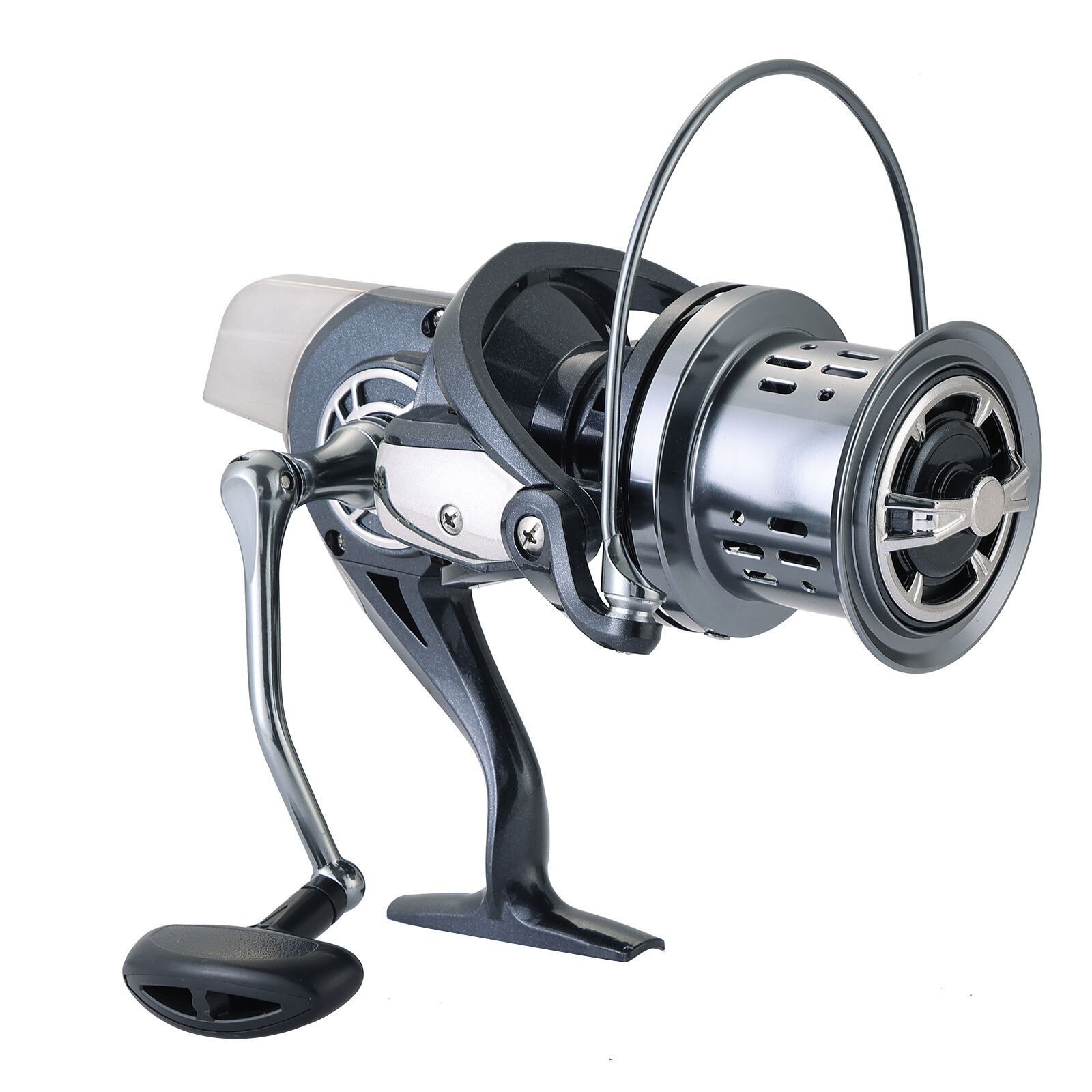
نسبة التروس الدقيقة وكفاءة الاسترجاع للتطبيقات المستهدفة في الصيد
كيف تتناسب نسب التروس (من ٥٫٤:١ إلى ٨٫١:١) مع الأنواع السمكية والتقنيات وظروف الماء
يعرف عشاق الصيد أن الحصول على نسبة التروس المناسبة في بكراتهم يُحدث فرقًا كبيرًا عند صيد أنواع مختلفة من الأسماك باستخدام تقنيات متنوعة في مسطحات مائية مختلفة. وتُعد النسب المنخفضة للتروس، التي تتراوح بين ٥٫٤ و٦٫٢، ممتازة في الحالات التي تكون فيها القوة الإضافية هي العامل الأهم. فكِّر مثلاً في جلسات الصيد العميق بالطُعم المُهتز (Jigging) في المياه الجارية السريعة، أو عند التعامل مع أسماك البحر الكبيرة المُقاتلة مثل التونة والأسماك ذات الزعانف الصفراء (Amberjacks)، والتي تُقدِّم مقاومة شديدة. ومن ناحية أخرى، يفضِّل الصيادون الذين يحتاجون إلى السرعة استخدام بكرات ذات نسب تروس أعلى، مثل تلك التي تتراوح نسبتها بين ٧٫٤ و٨٫١. وتتميَّز هذه النماذج عالية السرعة حقًّا عندما يكون استرجاع الطُعم سريعًا أمرًا حاسمًا، سواء أكان ذلك عند رمي الطُعوم العائمة على سطح الماء لصيد سمك البيرش (Bass)، أو عند ممارسة صيد الرؤية (Sight Fishing) في المناطق المسطحة التي يمكن فيها رؤية الأسماك بوضوح، أو عند مطاردة أنواع الأسماك المفتوحة (Pelagic) السريعة التي تهرب فجأة وبسرعة كبيرة. كما تؤثر ظروف المياه أيضًا في هذا الاختيار. فعندما تصبح الظروف قاسية في مياه البحر المالحة، مع تيارات قوية تدفع ضد القارب، فإن النسبة المنخفضة توفر تحكُّمًا أفضل في نظام الضغط (Drag System). أما إذا كان الصياد يطارد مفترسات المياه العذبة العدوانية التي تهاجم فجأة ثم تهرب بسرعة، فإن امتلاك نسبة تروس أعلى يعني أنه قادر على الاستجابة فورًا تقريبًا بإلقاء جديد أو باسترجاع سريع.
معدل الاسترجاع مقابل مقايضات العزم: المتانة في العالم الحقيقي وموثوقية مجموعة التروس
عند اختيار نسب التروس لمكابس الصيد، توجد دائمًا مقايضة بين سرعة خروج الخيط من البكرة من جهة، ومقدار القوة المنقولة إلى المقبض ومدى متانة جميع المكونات من جهة أخرى. فالمكابس ذات النسبة العالية للتروس توفر سرعات استرجاع أسرع، لكنها تقلل بشكل كبير من عزم الدوران، ما يعني أن التروس تكون أكثر عُرضةً للفشل عند محاولة سحب الطُعم عبر الأعشاب الكثيفة أو عند مواجهة أسماك كبيرة عالقة في الأغطية النباتية. فلننظر إلى الأرقام: فقد تُخرج مكبس بنسبة 7.5:1 حوالي 34 بوصة من الخيط في كل دورة دوران للمقبض، لكنه لا يستطيع منافسة قوة السحب التي يوفرها مكبس آخر بنسبة 5.6:1 والذي يُخرج نحو 24 بوصة فقط في كل دورة دوران. وبالفعل، فإن المكبس ذي النسبة الأدنى يتمتّع بميزة ميكانيكية أكبر بنسبة تقارب 40%، وهي فارقٌ جوهريٌّ عند مواجهة سمك الكنغر الكبير في المياه الجارية. ويُدرك المصنعون الأذكياء أهمية هذا التوازن، ولذلك يُصمِّمون مكابسهم باستخدام تروس من النحاس المقوى ومحامل متعددة منتشرة في جميع أنحاء النظام. وهذه المكونات تساعد على الحفاظ على أداء الرمي السلس حتى بعد ساعات من المواجهات الشديدة، وتضمن استمرار عمل المكبس بشكل صحيح تحت الضغط المستمر الناتج عن المصايد الكبيرة.
أداء نظام السحب المتقدم: النعومة، والاتساق، والاستقرار الحراري
غسالات السحب المصنوعة من الكربون مقابل الفيلت: مقاومة التآكل الناتج عن مياه البحر والتباين في النعومة (±0.03 رطل)
أصبحت غسالات السحب المصنوعة من ألياف الكربون الآن الخيار المفضل تقريبًا لأي شخص يمارس صيد الأسماك في المياه المالحة، وذلك بفضل قدرتها الفائقة على طرد الماء ومقاومتها للتآكل مقارنةً بالمواد التقليدية المصنوعة من الفيلت. فالمياه المالحة قد تُحدث خللاً كبيرًا في المكونات العادية، مما يتسبب في تلك الزيادات المزعجة في الاحتكاك أثناء مواجهة الأسماك الكبيرة. أما ألياف الكربون فهي تحافظ على سلاسة الأداء حتى تحت الأحمال الثقيلة. فما الذي يجعل هذه الغسالات مميزةً حقًّا؟ إنها تحافظ على الضغط ضمن نطاق ±٠٫٠٣ رطل طوال جلسات الصيد الطويلة. ويحبها الصيادون لعدة أسباب: أولًا، إنها تقاوم الأكسدة بشكل استثنائي، حيث تظهر فقط انخفاضًا بنسبة ٦٪ في الأداء بعد غمرها في المياه المالحة ٢٠٠ مرة. كما يفيد معظم المستخدمين بأنهم يحتاجون إلى استبدالها مرة واحدة كل ٤٠ رحلة تقريبًا، مقارنةً بغسالات الفيلت التي تتطلب عنايةً كل ١٥ رحلة تقريبًا. وهناك أيضًا خاصية فريدة في طريقة توزيعها للضغط عبر طبقات متعددة، ما يعني اختفاء ذلك الشعور المزعج بالالتصاق (Stiction) عند لحظة تثبيت الخطاف.
معامل التشغيل والانحلال الحراري: لماذا تفوق استقرار منحنى السحب على الحمل الأقصى في بكرات الصيد التنافسية
عندما يتعلق الأمر بصيد المسابقات، فإن ما يهم حقًا هو مدى اتساق أداء نظام الفرملة (الدراغ)، وليس فقط مقدار القوة التي يمكنه تحملها عند ذروته. ويبحث الصيادون عن بكرات ذات معامل بدء دوران أقل من ٠٫٠٨، لأن ذلك يعني استرجاعًا أكثر سلاسة وتنبؤًا عند هجوم السمكة، مما يساعد على منع انقطاع الخيوط أثناء تلك الانفجارات المفاجئة في السرعة. وتُحافظ أنظمة الفرملة المصنوعة من مادة «كربون ماتريكس» على نحو ٩٢٪ من شدّها الابتدائي حتى بعد التشغيل المكثف لمدة خمس دقائق متواصلة، بينما تفقد الأنظمة التقليدية المصنوعة من الفِلْت حوالي ٣٥٪ من قوتها التثبيتية تحت إجهاد مماثل. وهذه الاستقرار الحراري يمنع ظاهرة تُعرف باسم «التدرج التصاعدي» (Ramping)، حيث يزداد شد الفرملة تدريجيًّا كلما ارتفعت درجة حرارة البكرة أثناء المعارك الطويلة. ولهذا السبب يقبل المنافسون المحترفون عادةً التضحية بـ ٣ إلى ٤ أرطال من السعة القصوى لفرملة البكرة مقابل تحقيق اتساقٍ وموثوقيةٍ أعلى في ظروف الصيد الفعلية.
الحماية من التآكل والهندسة المغلقة: من تصنيفات الدرجة الواقية (IP) إلى المقاومة المُثبتة ميدانيًّا
مقارنة بين نظام المانع المغناطيسي المختوم (Magsealed) وأنظمة الحلقات المتعددة من نوع O-Ring مع التشحيم: تحليل لمعدلات الفشل المستخلصة من سجلات ١٢٠٠٠ صياد (٢٠٢٠–٢٠٢٣)
ما يهم حقًا في بكرات الصيد في المياه المالحة ليس تلك التصنيفات المختبرية الراقية مثل تصنيف IP، بل مدى قدرتها على الصمود في ظروف الصيد الفعلية. فتحليل آلاف التقارير الميدانية من عام ٢٠٢٠ إلى عام ٢٠٢٣ يُظهر قصة مختلفة تمامًا عما تدّعيه الشركات المصنِّعة. فأنظمة الحلقات المتعددة (O-rings) المقترنة بزيت تشحيم بحري عالي الجودة تميل إلى أن تدوم وقتًا أطول بكثير مقارنة بتقنية الإغلاق المغناطيسي (Magsealed) في السيناريوهات الواقعية. ولقد لاحظنا أن بكرات الإغلاق المغناطيسي تبدأ في التعطُّل بنسبة تتراوح بين ٣ و٤ حالات من أصل كل ١٠٠ بكرة تُستخدم بكثافة في المياه المالحة، ويعود السبب الرئيسي لذلك إلى تحلُّل الإغلاقات المغناطيسية عند التعرُّض للحرارة مع مرور الوقت. أما من ناحية أخرى، فإن أنظمة الحلقات التقليدية (O-ring) التي تُحافظ عليها جيدًا لا تتعطَّل سوى مرة أو مرتين فقط من أصل كل ١٠٠ وحدة. وهذا أمر منطقي، لأن هذه الأنظمة تحتوي على حواجز فيزيائية متعددة تحول دون تسرب الماء إليها، كما تتمتَّع بخصائص تشحيم أفضل على المدى الطويل. ويُترجم الفرق بين هذين الخيارين إلى أداء أفضل بنسبة تقارب ٤٤٪ في البيئات البحرية القاسية وفق تحليلنا. وبلا شك، يهتم الصيادون المحترفون بالضغط الثابت للفرامل (Drag Pressure) حتى بعد غمر معداتهم بالماء مرارًا وتكرارًا. فمعظمهم سيؤكد لك أن خسارة صيد كبير بسبب تعطُّل البكرة أثناء المواجهة المباشرة مع السمكة أمرٌ غير مقبول إطلاقًا، وهو ما يفسِّر سبب إصرار العديد منهم على الاعتماد على تصاميم الحلقات التقليدية (O-ring) رغم الضجة التسويقية الكبيرة المحيطة بالتكنولوجيات الجديدة.
النتائج الرئيسية المستخلصة من سجلات ١٢٠٠٠ صياد (٢٠٢٠–٢٠٢٣):
| نظام الختم | معدل الفشل | السبب الرئيسي للفشل | فترة الصيانة |
|---|---|---|---|
| مغناطيسي مختوم | 3.2% | تدهور السائل المغناطيسي | غير قابل للصيانة |
| عدة حلقات أُو + شحوم | 1.8% | غسل الشحوم (يمكن منعه) | إعادة تزليق سنوية |
تؤكد البيانات الميدانية أن مقاومة التآكل تعتمد على توافق المواد، وسلامة التزييت، وإمكانية الصيانة — وليس فقط على درجات حماية الدخول.
تصميم البكرة وإدارة الخيط: تحسين القابلية للإطلاق، والاسترجاع، وسلامة وضع الخيط
يلعب شكل بكرات لف الصنارة دورًا كبيرًا في مدى إلقاء الطُعم، وفي ما إذا كانت الخيوط تُسترجع بشكلٍ صحيح، وكذلك في ما إذا ظلّ الخيط سليمًا تحت الضغط. وعادةً ما تقلل البكرات ذات القطر الأكبر من احتكاك الخيط أثناء الإلقاء، ما يعني أن الصيادين يمكنهم عادةً رمي طعومهم بنسبة تتراوح بين ١٥٪ وربما حتى ٢٠٪ أبعد مما يمكنهم فعله باستخدام بكرات أصغر وفقًا للاختبارات الميدانية. ومن الناحية الأخرى، فإن تصاميم البكرات الضحلة غالبًا ما تؤدي إلى مزيد من المشكلات المتعلقة بالالتواء في خيوط المونوفيلامنت، لأن الخيط يحتفظ بحالته الملتفة بشدة. وماذا عن الحافة؟ إنها أيضًا مهمة. فعندما تكون الحواف مصقولة أو مغلفة بنوعٍ ما من الطلاء، فإنها تُحدث مقاومة أقل أثناء مرور الخيط من خلالها، ما يؤدي إلى مسارات طيران أفضل وتحديد أكثر دقة لمواقع السقوط في الماء.
للاسترجاع، تُعزِّز بكرات القناة العميقة ترتيب الخيط بشكل متجانس عند السرعات العالية، مما يمنع التشابك الذي يؤخِّر عملية الإمساك بالصيد. كما تحسِّن الأسطح المُنفَّذة للبكرات من قوة القبض على الخيوط المجدولة— ما يلغي الحاجة إلى طبقة خلفية من الخيط الأحادي، ويضمن انتقال الطاقة بشكلٍ متسق من القضيب إلى الطُعم، ويقلل من أوقات التوقف الناجمة عن مشكلات إدارة الخيط.
علم مواد الإطار والترس: الصلابة، والمتانة، وسلامة القدرة على تحمل الأحمال في مقابض الصيد الاحترافية
عندما يتعلق الأمر بالصيد الجاد، فإن البكرات تحتاج إلى مواد قادرة على تحمل أحمالٍ هائلة مع الحفاظ في الوقت نفسه على الدقة. وتتميز معظم البكرات الراقية بإطارات مصنوعة من سبائك الألومنيوم لأنها تحقق التوازن المثالي بين الصلابة والخفة، كما أنها تُبدد الحرارة بكفاءة أعلى أثناء مواجهة الأسماك لفترات طويلة. وتوفر عملية التشغيل باستخدام ماكينات التحكم العددي بالحاسوب (CNC) استقرارًا بُعديًّا استثنائيًّا لهذه الإطارات على مستوى الميكرون، ما يؤدي إلى خفض نسبة سوء محاذاة التروس بنسبة تقارب ٣٧٪ مقارنةً بالطرق التقليدية للصب. أما بالنسبة لتروس نظام الدفع، فيلجأ المصنعون عادةً إلى الفولاذ المقاوم للصدأ المُصلب أو النحاس، نظرًا لامتلاك هذه المواد قوةً ممتازةً دون إضافة وزنٍ زائد، مما يجعلها تتحمّل حتى قوى السحب التي تتجاوز ٣٠ رطلاً. وتتضمّن بكرات الصيد في المياه المالحة حمايةً إضافيةً ضد التآكل عبر طبقات دفاعية متعددة تشمل الألومنيوم المؤكسد والمحامل المغلقة. وقد أظهرت الاختبارات البحرية الخاضعة للرقابة أن هذه الميزات تقلّل حالات الفشل بنسبة تقارب الثلثين، رغم أن النتائج في الاستخدام الفعلي قد تختلف. وتُوفّر المركبات الرسوبية المصنوعة من الجرافيت خفّةً في الوزن عند صيد المياه العذبة، لكنها ببساطة لا تصمد في ظروف الصيد في أعماق البحار حيث تكون المتانة الالتوائية هي العامل الأهم. وبذلك، تتميّز البكرة الجيدة بتوازنٍ دقيقٍ بين متانة الألومنيوم، والأجزاء المصنوعة من الفولاذ المقاوم للصدأ التي تدوم لعددٍ لا يُحصى من عمليات القذف، والطلاءات الخاصة التي تقاوم البيئات القاسية.
أسئلة شائعة
ما نسبة التروس المناسبة للصيد في المياه المالحة؟
نسب التروس الأقل، حوالي ٥٫٤ إلى ٦٫٢، هي الأنسب للصيد في المياه المالحة لأنها توفر قوة إضافية ضرورية للتعامل مع أسماك المياه المالحة الكبيرة.
لماذا تُفضَّل غسالات القوة السحب المصنوعة من ألياف الكربون للصيد في المياه المالحة؟
تُفضَّل غسالات القوة السحب المصنوعة من ألياف الكربون في المياه المالحة نظراً لمقاومتها الممتازة للماء ومقاومتها للتآكل، ما يوفِّر أداءً سلساً على مدى جلسات صيد طويلة.
كيف يؤثر تصميم البكرة على مسافة الإلقاح؟
تقلل البكرات ذات القطر الأكبر من احتكاك الخيط، مما يسمح بإلقاء الطُعم على مسافة أبعد بنسبة ١٥–٢٠٪ مقارنةً بالبكرات الأصغر.
أي نظام إغلاق يمتلك معدل فشل أقل: النظام المُغلَّف مغناطيسياً (Magsealed) أم نظام الحلقات المطاطية المتعددة مع الشحوم (Multi-O-Ring + Grease)؟
يتمتع نظام الحلقات المطاطية المتعددة مع الشحوم عموماً بمعدل فشل أقل يبلغ ١٫٨٪ مقارنةً بنسبة ٣٫٢٪ لنظام الإغلاق المغناطيسي (Magsealed) في ظروف الصيد الواقعية.
جدول المحتويات
- نسبة التروس الدقيقة وكفاءة الاسترجاع للتطبيقات المستهدفة في الصيد
- أداء نظام السحب المتقدم: النعومة، والاتساق، والاستقرار الحراري
- الحماية من التآكل والهندسة المغلقة: من تصنيفات الدرجة الواقية (IP) إلى المقاومة المُثبتة ميدانيًّا
- تصميم البكرة وإدارة الخيط: تحسين القابلية للإطلاق، والاسترجاع، وسلامة وضع الخيط
- علم مواد الإطار والترس: الصلابة، والمتانة، وسلامة القدرة على تحمل الأحمال في مقابض الصيد الاحترافية
-
أسئلة شائعة
- ما نسبة التروس المناسبة للصيد في المياه المالحة؟
- لماذا تُفضَّل غسالات القوة السحب المصنوعة من ألياف الكربون للصيد في المياه المالحة؟
- كيف يؤثر تصميم البكرة على مسافة الإلقاح؟
- أي نظام إغلاق يمتلك معدل فشل أقل: النظام المُغلَّف مغناطيسياً (Magsealed) أم نظام الحلقات المطاطية المتعددة مع الشحوم (Multi-O-Ring + Grease)؟