EN
EN

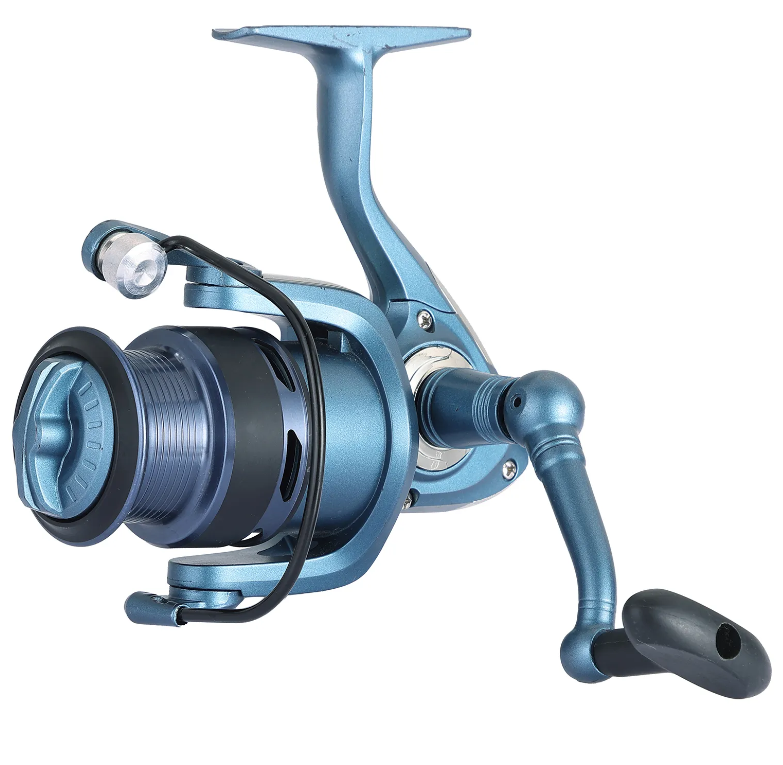
חומרים פרימיום ובנייה עתיקה לתקלות
אלומיניום, מגנזיום וסיבי פחמן: איזון בין חוזק למשקל לעמידות של גלגלות ספינינג במים מלוחים ומים מתוקים
דיג במים מלוחים דורש חומרים שיכולים לעמוד בקורוזיה תוך שמירה על הצורה והחוזק שלהם. האלומיניום מהווה פתרון איזון טוב כאן: הוא חזק מספיק לצרכים מרבית, בעל משקל קל יחסית ביד, וمقاوم באופן טבעי לנזקי המלח במידה מסוימת. זה הופך אותו למתאים למדי לסיבוביות איכותיות למים מתוקים ולציוד בסיסי לדיג במים מלוחים. המגנזיום קל יותר מהאלומיניום בכ־30 אחוז, מה שנשמע מצוין עד שמבינים שצריך לטפל בו במיוחד — למשל באמצעות שכבות עבות של אנודיזציה או ציפויים פולימריים מגנים — כדי שיעמוד בתנאי האוקיינוס. סיבי הפחמן מגלים רמה נוספת לגמרי: חוזק בלתי מתחרה ביחס למשקלו, הגנה מוחלטת נגד חלודה ונגד התגובות האלקטרוכימיות הרעות המתרחשות תחת המים. אך נודה בזה: לסיבי הפחמן יש מחיר גבוה מאוד. גם הנתונים תומכים בכך: מבחני תעשייה מראים שחלקים ללא הגנה מתאימה מתפרקים כפלי חמש מהר יותר בעת חשיפה למים ימיים בהשוואה למים נקיים רגילים. לכן, אכן, החומר הנבחר אינו רק עניין של העדפה — הוא קובע במפורש כמה זמן יחזיק הציוד שם, במליחות.
קומפוזיטים סגירים מגרףיט ומסגרות היברידיות: קשיחות בתכלית היעילות ללא פגיעה באורך החיים של גלגלות סיבוב
קומפוזיטים מגרףיט המיוצרים מסיבים בעלי מודולוס גבוה ורזינים ימיים מיוחדים יכולים להיות קשיחים באותה מידה כמו מתכת, אך לא יתעו תחת עומס כבד. גישת המסגרת ההיברידית מרחיבה את זה על ידי שילוב גרףיט קל משקל עם חיזוקי אלומיניום הנמצאים בדיוק במקומות שבהם נוצר המאמץ הגדול ביותר — למשל סביב ערמות הדראג וזרועות הביל. מערכות אלו שומרות על כ-95% מהמאפיינים שמביאים את הפחמן המלא לנגד שימור, אך מחירן נמוך ב-40% מזה של מסגרות ממתכת מלאה. חדירת מלח לרכיבי הציוד היא בעיה גדולה לציוד דייג, ולכן העיצובים הללו כוללים חיבורים סגורים לחלוטין, וכן שichten הגנה מבפנים. בדיקות בשטח תומכות בכך גם כן: תקלות מוקדמות רבות נגרמות בגלל חדירת מים למרכיבים המרכזיים. בסך הכול, דייגים זוכים ביציבות ברמה מקצוענית מגלגלי הדייג שלהם, מבלי להצטרכות לשלם מחירים מקצועיים על הציוד.
ביצוע מערכת גרירה מדויקת לבקרת ספינינג אמינה
דיסקיות גרירה מסיבי פחמן לעומת דיסקיות גרירה מבד: ניהול חום, חלקות ולחץ עקבי תחת עומס
חומר הדיסקיות המגררות משפיע באופן יסודי על הבקרה, העקביות והעמידות לחום. סיבי פחמן מצליחים במקום שבו הבד נכשל:
- פיזור חום : הולכה תרמית גבוהה מפחיתה את העליות בטמפרטורה הנגרמות חיכוך ב-40%, ומשמרת את יעילות הגרירה (<15% אובדן לאחר מאבק מתמשך של 5 דקות) ומבטלת את התופעה המסוכנת של 'דעיכה של הגרירה'.
- השתלטות חלקה : דיסקיות גרירה מוגנות בסיבי פחמן, מעובדות במדוייק, מספקות סטייה בהפעלה ראשונית של פחות מ-0.5 ליברה — מה שמבטיח שחרור קו שקט וחלק ללא רגש, אשר לא יבהיל דגים זהירים.
- תגובה ליניארית ללחץ : סיבי פחמן שומרים על סטייה של ±10% בכל טווח העומסים; הבד נמחץ באופן לא אחיד, מה שגורם להחלקה בלתי צפויה תחת עומס כבד.
| מדד גרירה | ויבר קרבון | פרווה |
|---|---|---|
| טמפרטורת פעולה מקסימלית | 250°F | 180°F |
| שונות התחלתיות | ≈0.5 רطل | 1–3 רטלים |
| עקרביות בלחץ | ±10% | ±25% |
עיצוב גרר קדמי לעומת גרר אחורי: השפעה על איטום גלגלת סיבובית, יתרון מכני ותפקוד אמיתי של החיבור בעת הדקיקת הדג
המקום שבו מותקן המניע הוא מה שמהווה את כל ההבדל באיכות החסימה שלו נגד גורמי הסביבה, בהשפעתו על הנחת הכוח המכני ובהשפעתו על הביצועים הדיגיים האמיתיים במציאות. מערכות המניע הקדמיות ממוקמות עם רכיבי הדיסקים הישירים ליד הסpool עצמו, מה שמייצר הגנה טובה יותר מפני חדירת לחות לתוך גוף הספינר, דבר חשוב במיוחד באזורים חוף שבהם מי הים יכולים להיות בעיה אמיתית. תצורות אלו גם נותנות לדגים את הלחיצה הנוספת בעת קביעת החרטום, מכיוון שהמומנט עובר ישירות ללא אובדן כוח, כלומר קביעת החרטומים מהירה ב-30 אחוז בממוצע ברוב המקרים. תצורת המניע האחורי מאפשרת לדגים להתאים את ההגדרות במהלך הלחימה, משהו שדיגים רבים מוצאים נוח במהלך קרבות ארוכים עם דגים גדולים, למרות שהם מקריבים חלק מהיתרון המכני בהשוואה למודלים עם מניע קדמית. כמה יצרנים פיתחו מערכות מניע אחורי דו-צדדיות שמתפזרות על שני צידי גוף הספינר, כך שקיימת סבירות נמוכה יותר לעיוות או עקיצה של המתכת בעת התמודדות עומסים כבדים מעל 20 פאונד. לפי מבחנים שנערכו בתנאי שטח אמיתיים, ספינרים עם מניע קדמית נוטים לשמור על יציבות בטווח של 18–22 פאונד של כוח מניע, ללא תלות בכמות החבל שעל הסpool, מה שגורם להם להיות פחות נוטים להיכשל בעת הטריפה של דגים טרופיים ענקיים שאליהם חולם כל דייג.
יעילות סיבוב מותאמת במעגלי גלגלת סיבוב מודרניים
מסבים מוגנים ברמה גבוהה (לא רק דירוגי ABEC): שמייה, סובלנות וחלקות הפעלה ראשונית של מעגלי גלגלת סיבוב
אנשים לרוב מתבלבלים בנוגע לדרוגי ABEC וסבורים שהם מציינים אם גלגלת תפעל בסביבות מימיות, אך בפועל דרוגים אלו מציינים רק את הדיוק הממדי. מה שחשוב באמת ליישומים ימיים הוא גלגלות עם איטום תקין ועם סיבובים צרים במיוחד, כמו 0.0001 אינץ' או טוב יותר, יחד עם שמנת סיכה מיוחדת שפותחה במיוחד לתנאי מים. סוגי גלגלות אלו מפחיתים משמעותית את החיכוך בהשוואה לגלגלות רגילות ללא איטום. ראינו ניסויים שבהם גלגלות ימיות משורטטות המשיכו לפעול בכفاءה של כ-95% גם לאחר 200 מחזורי ייצוג של חשיפה למים מלוחים. גלגלות רגילות? הן קיבלו רק 67%. לכן, איטום טוב ושמנת סיכה מתאימה הם הגורם המכריע עבור ציוד לסירות, הרבה יותר מאשר הסתכלות פשוטה על מספרי ה-ABEC.
גאומטריית הסpool חשובה: ספools עם שוליים, ספools יצוקות ארוכות וספools מגנטיות למתן החבל, מרחק זריקה ויעילות שליפת הדלי
צורת סלילי הגלגלות חשובה הרבה יותר ממראה בלבד. כשמדובר באופן שבו החוטים מתנהגים בזמן הזריקה ושליפה, עיצוב הסליל משחק תפקיד עצום. סלילים עם חצאיות עוזרים להפחית את כל החבטות והוויברציות המעצבנות של החוט בזמן השליפה, מה שהופך את הדברים לשקטים יותר באופן כללי ומגביר את הרגישות בכ-30%. עבור הזריקות ארוכות יותר, אנו רואים פרופילים עם קצוות מחודדים ופרופורציות טובות יותר בין רוחב לקוטר. עיצובים אלה נלחמים בהתנגדות אוויר כך שהחוט זורם בצורה חלקה יותר, מה שנותן לדייגים מרחק זריקה נוסף של כ-15 עד 20%. לסלילים מגנטיים יש מערכת בלמים מתכווננת שפועלת נגד סיבוב מוגזם, ובעצם עוצרת כל בעיית שחרור אחורי גם בעת ביצוע זריקות חזקות מאוד למרחקים ארוכים. וגם צורות ארבור עמוקות יותר עושות הבדל אמיתי. הן שומרות על החוט פרוס באופן שווה על הסליל, מקצצות קשרי רוח בכ-רבע, ושומרות על לחץ גרירה יציב לאורך כל הקרב עם דגים גדולים.
הנדסת תיבת הילוכים: יחס, דיוק וביצועים של ספינינג ריל מותאמים ליישום ספציפי
בלב כל רולר דייג טוב נמצאת מערכת הגלילים, אשר ממירה את תנועת הסיבוב של הדייג לתנועה חלקה של הגליל. יחס הגלילים קובע אם הרולר יעדיף מהירות או כוח. יחס נמוך בטווח של 4.2 עד 5.1 מעניק לדייגים מומנט נוסף בעת מאבק בדגים גדולים בעומקים או בעת התמודדות עם פישיות כבדות. יחס גבוה בטווח של 6.5 עד 7.8 מאפשר לאנשים למשוך חוט בקצב מהיר בהרבה, מה שמתאים במיוחד לדייג דגים שצפים בקבוצות או להזזת פשיטות באופן מתמיד על פני המים. גלילים הליקואידים המדויקים האלה נחצבים במדוייקות רבה, ופער המגע ביניהם יכול להיות קטן ביותר – לעיתים קרובות פחות מ-0.005 אינץ' – כך שהם פועלים בשקט גם תחת לחץ פתאומי, כמו בעת החיבוק האקספלוסיבי שאופייני לדייג דג סבאס. לרולרים למים מלוחים יש בדרך כלל גלילים מפלדת אל חלד, אשר עומדים בתנאי הים הקשים, בעוד שרולרים למים מתוקים משתמשים לעתים קרובות בגלילים מחלקות קלות יותר כדי לשמור על נוחות גם לאחר שעות ארוכות של השלכת פשיטות. בחירת ההגדרה הנכונה היא קריטית בפועל. לדוגמה, כל מי שמשליך פשיטות שצוללות לעומק זקוק מאוד למערכת היחס הנמוך כדי להשיג את כוח המשיכה המרבי, בעוד שApplications של דייג עוצמתי (Power Fishing) נהנים במידה רבה ממערכות היחס הגבוהות שנותנות תגובה טובה יותר ושליטה הדוקה יותר במהלך המאבק.
שאלות נפוצות
אילו חומרים הם הטובים ביותר לסיבוביות לדייג במים מלוחים?
אלומיניום וסיבי פחמן הם בחירות מצוינות לסיבוביות לדייג במים מלוחים. אלומיניום מציע איזון טוב בין משקל ותנגדות לקורוזיה, בעוד שסיבי פחמן מספקים עמידות יוצאת דופן והגנה מפני חלודה, אך במחיר גבוה יותר.
איך מבנה הסpool משפיע על ביצועי סיבוביות ספינינג?
מבנה הסpool משפיע על התנהגות החבל במהלך הזריקה והגבייה. ספools עם שוליים מפחיתים רעש ומעלים את הרגישות, בעוד שספools לזריקות ארוכות משפרות את המרחק של הזריקה. ספools מגנטיות מונעות חזרה לא רצויה (backlash) ומשפרות את הביצועים הכוללים.
מה ההבדל בין מערכות גרירה קדמית ואחורה?
מערכות גרירה קדמית מספקות איטום טוב יותר נגד לחות ומעבירות כוח בצורה ישירה יותר, מה שהופך אותן יעילות יותר להנחת החרטום במהירות. מערכות גרירה אחוריות מאפשרות התאמות בזמן אמת, אך מקריבות חלק מהיתרון המכני.