EN
EN

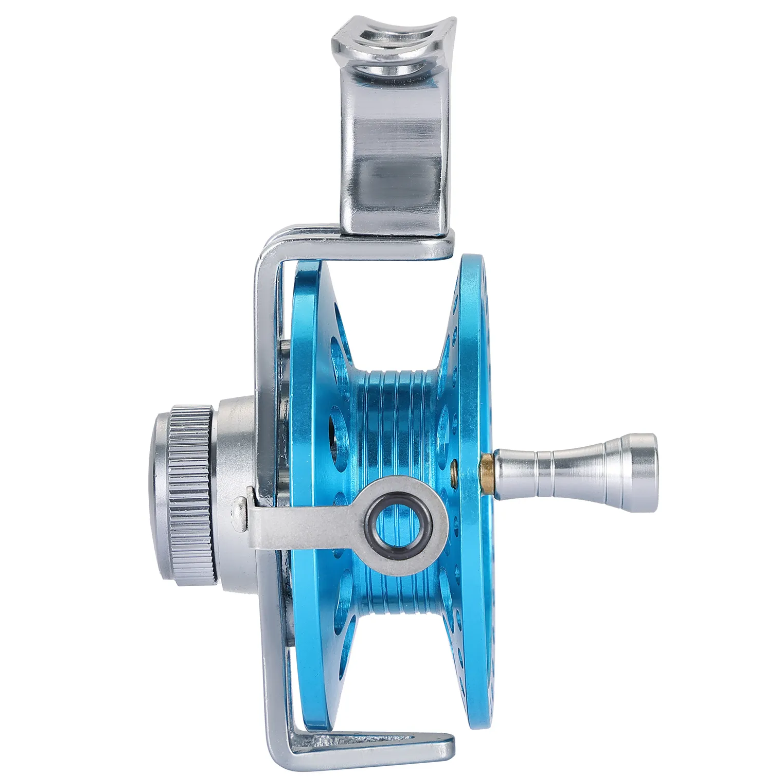
Carp Fishing Reel Essentials: Matching Reel Capabilities to Water Characteristics
Why Spool Capacity, Drag System Type, and Gear Ratio Define Performance Across Waters
The amount of line a reel can hold matters a lot when fishing in big water areas, especially important if trying to catch carp that hang out far away from shore. Bigger spools let anglers use heavier lines without sacrificing casting performance, which is essential for those tricky snaggy lake spots. When it comes to drag systems, there's really two main types to consider. Baitrunners work great on rivers where the current suddenly picks up and carp just go nuts taking the bait. Front drag reels give better fine-tuned control though, something that makes all the difference when dealing with spooky fish in clear reservoir conditions. Gear ratios also play their part in how fast line comes back in. Most carp anglers find around 5.2:1 works well because it gets line back quickly enough when those big fish start heading straight for underwater obstacles near weed beds. All these factors together basically decide if a carp reel will turn those bites into actual catches no matter what kind of water they're fishing in.
Key Carp Fishing Reel Specifications Explained: Brake Power, Line Lay, and Weight Distribution
The brake power measured in kilograms determines how much stopping force we get during casting runs. Most anglers go for at least 15kg systems if they're after those big double figure carp that hang out in deeper water spots. Then there's line lay, which basically means how the line sits on the spool. When it doesn't coil properly, all sorts of problems happen especially when making long casts into those windy quarry pits where carp love to hide. Weight matters too for sure. A well balanced reel that stays below 600 grams makes all the difference when spending hours on end chasing fish. Lighter gear just doesn't wear the arms down as badly during those marathon sessions that sometimes last until the sun goes down.
| Specification | Impact | Ideal Use Case |
|---|---|---|
| Brake Power | Stopping force during runs | Deep lakes (>20kg) |
| Line Lay | Casting consistency & tangle prevention | Long-distance casting |
| Weight Distribution | Angler endurance | 12hr+ sessions |
Prioritize centrifugal brake systems for consistent pressure and machined aluminum spools for vibration-free retrieves.
Best Carp Fishing Reel for Lakes and Large Pits
High-Capacity, High-Brake-Power Reels for Deep, Open Water and Big Carp
Getting the right carp reel matters a lot when fishing big lakes. Most anglers need something with at least a 6000 sized spool these days. Why? Because they want enough line capacity, usually around 300 meters of 15 pound mono, to cast past those pesky weed beds and drops where carp tend to hang out. The drag system is another key factor. A good sealed carbon drag that can handle between 25 to 30 pounds of pressure keeps those big fish from breaking off during their epic runs through deep water channels. Pair that with a gear ratio of about 5.2 to 1 so the line comes in fast when trying to steer carp clear of underwater obstacles. Serious anglers chasing fish over 30 pounds are now looking for reels with extra strong line lays and bigger handles too. These features make all the difference when battling a massive carp for hours on end in open water situations.
Case Study: Landing 12lb+ Carp in a 50-Acre Lake – Reel Load Management in Practice
Imagine what happens at Heron Lake most days: someone gets their hook into a feisty 12 pound common carp way out there around 80 meters from shore. The moment that big fish takes off towards those thick patches of lily pads, it's all about keeping tension on the line without letting the reel seize up and snap the leader. That's where the progressive drag system really shines. With its massive capacity spool, anglers don't have to worry about backing knots getting stuck in the rod guides during those long runs that can stretch over 150 meters. And when that carp suddenly turns back, the instant anti-reverse feature kicks in so none of the hard fought distance is lost. Fishermen who spend their time at lakes know exactly what they need in a reel these days something that handles power control, keeps lines laid straight, and responds quickly enough to keep up with those unpredictable fights.
Optimal Carp Fishing Reel for Rivers and Flowing Waters
Baitrunner vs. Front Drag: Controlling Unpredictable Current-Induced Runs
The way river currents affect carp movements can be pretty unpredictable at times, which is why many anglers end up needing special drag setups for their gear. Take baitrunner reels for instance these have what's called dual drag tech. Basically there's a second drag mechanism that lets the line slip freely when a carp takes the bait, then kicks in once the fish starts fighting. This setup stops hooks from pulling out when big carp suddenly rush downstream in fast moving water something that becomes super important when strong currents just wash away all signs of a bite. Then there are front drag systems too. These give anglers direct access to the spool via a dial on the front of the reel, making it easier to apply smooth pressure while wrestling with fish. But here's the catch they require constant hands on deck for adjustments. And let's face it, in really rough waters where things change direction so fast, this kind of manual control often leads to missed opportunities as the fish makes those quick turns.
- Baitrunner advantage: Automatic line release reduces resistance during initial runs, increasing hookup success in flow tests
- Front drag strength: Superior torque for steering fish away from snags in moderate currents
Prioritize baitrunner models when targeting carp near rapids or debris-heavy stretches, where immediate runs demand passive management. For steadier flows, front drag provides precision control. Match your carp fishing reel choice to current intensity: baitrunners for chaos, front drag for predictability.
Lightweight & Responsive Carp Fishing Reel for Small Waters and Margins
Fishing for carp in tight spots such as ponds, canals and those narrow margins along waterways calls for a lighter reel setup. Something under 400 grams makes all the difference when casting repeatedly throughout the day because it just doesn't wear on the arm so much. Modern reels made with stuff like carbon fiber composites stay tough enough but still feel responsive in hand. That matters a lot when trying to pick up those tiny nibbles carp give in shallow water where they tend to be extra careful about what goes into their mouths. Most of these smaller reels come with gear ratios around 4:1 to 5:1 which strikes a good balance between how fast line comes off the spool and keeping control during fights. They aren't built for maximum line storage like big lake reels are. Instead, sizes from 3000 to 4000 usually hold plenty of line for casting distances we need in these environments. And let's face it, the way these reels balance in the hand really helps get bait placed precisely near those tricky spots where bigger carp hang out - right next to reeds or under tree branches that stick out over the water.
| Feature | Small Water Advantage |
|---|---|
| Weight | Reduces arm strain during frequent casting |
| Size | Improves balance with shorter rods (9–11ft) |
| Responsiveness | Enables instant strike reaction to margin takes |
While ultra-light designs excel in comfort, avoid sacrificing essential drag smoothness—a minimum 15lb brake pressure remains vital for controlling powerful fish in snag-rich margins.
FAQs
Why is spool capacity important when carp fishing?
Spool capacity is crucial because larger spools allow for holding more line, enabling anglers to cast farther and use heavier lines, which is especially beneficial in big water areas with tricky spots.
What is the difference between baitrunner and front drag systems?
Baitrunner systems feature dual drag mechanisms that allow the line to slip freely initially before engaging, suitable for fast-moving waters. Front drag systems offer direct spool control via a dial, providing smooth pressure during fish fights.
How does gear ratio affect fishing performance?
The gear ratio defines how fast the line is retrieved. Ratios around 5.2:1 provide a balance of quick retrieval and control, ideal for steering carp away from underwater obstacles.
What role does weight play in choosing a fishing reel?
Weight impacts an angler's endurance, especially during long sessions. Lighter reels, typically below 600 grams, reduce arm strain and provide better balance and control.