EN
EN

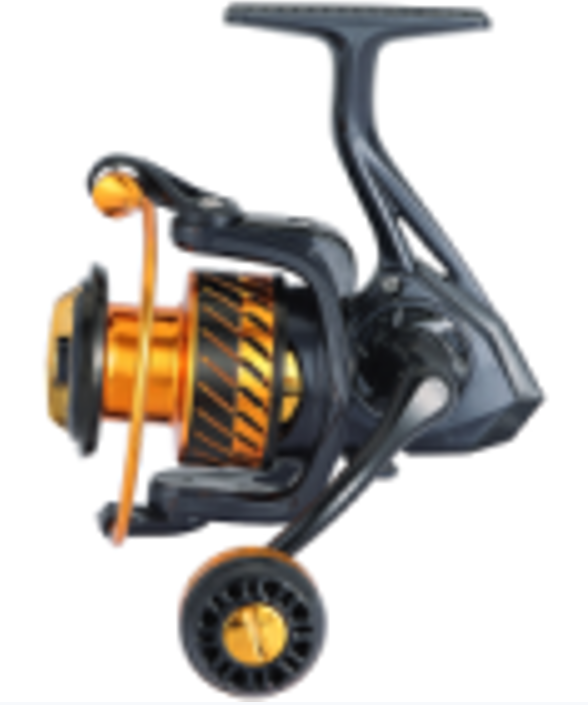
Understanding the Core Components of a High-Quality Spinning Reel
The Role of Spinning Reel Gear Ratio in Performance Optimization
Gear ratios are basically numbers like 5.2 to 1 that tell us how many times the spool spins each time we turn the handle. When looking at higher ratios above 6.0 to 1, anglers get quicker line retrieval which works great during those fast reaction bites. On the flip side, anything below 4.5 to 1 gives more pulling power needed for working through thick vegetation or structure. Think about what kind of fish you're after too. Most bass anglers want their reels to spin fast so they can set the hook quickly. Saltwater folks usually go for the extra torque though since they're dealing with bigger fish that put up more resistance.
Importance of Ball Bearings for Smooth Operation and Longevity
The best spinning reels typically feature either stainless steel or ceramic ball bearings, usually ranging from around six to fifteen or more, which helps reduce friction when the rotor spins. Field tests done last year found that reels equipped with ten or more shielded bearings experienced roughly 43 percent less wear after completing 500 casting cycles than those with fewer bearings inside. When it comes to saltwater fishing conditions specifically, having corrosion resistant seals becomes really important for keeping everything running smoothly over time. Without proper sealing against moisture and salt buildup, even the most expensive reel can start feeling rough after just a few trips out on the water.
Evaluating Drag System Quality and Easily-Adjustable Drag Mechanisms
A reliable drag system maintains consistent pressure during prolonged fights. Top-tier systems use carbon fiber or multi-disc washers, offering up to 55 lbs of stopping power. Front-drag designs allow on-the-fly adjustments, which is crucial when targeting powerful, unpredictable species like tuna or tarpon.
Reel Weight, Frame Material, and Corrosion Resistance in Real-World Use
| Material | Avg. Weight | Saltwater Durability |
|---|---|---|
| Aluminum | 9–14 oz | Excellent (with coating) |
| Graphite | 6–10 oz | Moderate |
| Aluminum-magnesium frames dominate saltwater applications, combining strength with portability–especially important during extended surfcasting sessions lasting 8 hours or more. |
Spool Capacity, Line Compatibility, and Spinning Reel Size Selection
The average 3000 size reel will hold around 200 yards of 10 pound braided line, which works pretty well for most inshore fishing situations. When picking out a reel, always check how the spool size matches up with the line thickness being used. Bigger spools tend to cut down on that annoying line twist problem, whereas smaller ones let anglers cast those light lures much better when targeting finicky fish. Most reels come marked with numbers like 1000 through 5000 and beyond. Think of these numbers kind of like engine sizes in cars the bigger the number, the more line the reel can take onboard and the stronger the drag system gets when fighting big fish.
Matching Spinning Reel Specifications to Freshwater vs Saltwater Fishing Environments
Key differences in spinning reel demands between freshwater and saltwater fishing
Reels used in saltwater need way more protection against rust than their freshwater counterparts. The Marine Equipment Durability Report for 2023 actually shows they require about 58 percent greater corrosion resistance. Most freshwater fishermen go for lighter tackle, usually around 8.2 ounces on average. But when it comes to saltwater fishing, durability matters most. Saltwater reels must stand up to harsh conditions like brackish water and gritty sand that can wear down even good quality equipment. Looking at survey results from 2022, nearly three quarters of all problems with saltwater gear happened because the seals weren't tight enough. That's a huge difference compared to only about one in eight issues reported in freshwater situations where sealing isn't as critical.
Material durability, sealing technology, and design innovations for marine conditions
Manufacturers at the top of their game are incorporating multiple layers of sealing technology these days. They often use CNC machined aluminum parts along with special water repelling coatings to hit those IPX6 waterproof ratings. When it comes to reels designed for saltwater environments, most have around seven stainless steel ball bearings inside. That's quite a jump from the four to five found in regular freshwater models. This extra hardware makes a real difference too, cutting down on friction by about 40% when dealing with all that corrosive saltwater action. Some newer innovations worth mentioning are these hydrodynamic rotor designs. These clever little improvements manage to slash saltwater intrusion by roughly 31%, which helps keep the drag settings stable even as tides come and go throughout the day.
Evaluating OEM/ODM Manufacturing Quality and Supply Chain Reliability
Insight into OEM/ODM Production Processes That Impact Spinning Reel Performance
Getting precision right matters a lot when it comes to making high performance fishing reels. The best manufacturers partner with OEMs who rely on CNC machines to craft gears that fit within just 0.005 mm tolerances. They also tend to go for saltwater grade aluminum alloys in their structural parts because regular metals just don't hold up against constant exposure to moisture and grit. Most problems with reel longevity actually come down to how well they handle heat treatment during rotor production. That's why serious manufacturers stick with ISO 9001 certification standards. These certifications aren't just paperwork either they ensure components resist corrosion and maintain proper gear alignment even after thousands of casts in tough conditions.
Quality Control Standards and Testing Protocols in Large-Scale Reel Manufacturing
The best manufacturers put their products through rigorous testing, running simulations of over 50 thousand retrieval cycles while applying 20 pounds of drag force. They won't accept anything worse than a 2% deviation in how the spool rotates during these tests. For sealing checks, they subject components to high pressure washing at around 100 psi for fifteen straight minutes. When it comes to handle materials, XRF scanning technology helps spot inferior zinc alloys that have been causing problems. These flawed alloys account for nearly one third of all failures seen in cheaper reel models out there in the market. By catching these issues early, factories can be sure only good quality parts make it into final assembly lines.
Verifying Manufacturer Claims Through Third-Party Certifications and Field Testing
Third-party validation reduces procurement risks by 41% (Supply Chain Insights 2023). Seek IP68 waterproofing certifications and independent drag curve analyses aligned with ASTM F2503-15 standards. Authentic field tests should replicate real-world stress: 72-hour saltwater immersion followed by 10,000 casts at 85% of maximum drag capacity.
Assessing Vendor Reliability and Supply Chain Transparency for Bulk Procurement
Demand full material traceability–74% of OEM delivery delays originate from sub-tier bearing suppliers. Reliable partners provide real-time production dashboards and dual-source critical components such as ceramic line rollers. Evaluate disaster recovery plans: capable vendors can shift 60% of production within 14 days if primary facilities face disruptions.
Balancing Cost, Quality, and Long Term ROI in OEM Spinning Reel Selection
Analyzing Pricing vs. Quality Trade Offs in OEM-Sourced Spinning Reels
Lower-priced OEM reels often sacrifice component durability. CNC-machined aluminum alloy frames cost 35–60% more than zinc alternatives but significantly improve corrosion resistance in saltwater environments, according to Marine Equipment Digest (2023). Manufacturers focusing on lifecycle cost rather than upfront savings achieve 23% higher ROI through reduced replacement frequency.
Long Term Return on Investment: Durability, Repairability, and Product Lifespan
High-performance spinning reels with sealed drag systems and replaceable bearings last up to 2.8 times longer than budget models in field testing. Key durability metrics:
| Factor | Budget Reel | Premium OEM Reel |
|---|---|---|
| Average lifespan | 18 months | 5+ years |
| Repair cost ratio | 42% of original price | 18% of original price |
| Saltwater failure rate | 63% (Year 1) | 12% (Year 1) |
Case Study: Cost Per Use Comparison of Mid-Tier vs. Premium OEM Spinning Reels
A three-year fishing charter analysis revealed premium OEM reels cost $1.14 per outing, compared to $3.76 for mid-tier models. This 230% efficiency gain stems from 140% longer maintenance intervals and a 91% lower catastrophic failure rate. Operators using premium reels reduced downtime costs by $18,700 annually while maintaining 98% customer satisfaction for gear reliability.
Future Trends in Spinning Reel Design and Sustainable Manufacturing Innovation
The spinning reel industry is evolving through three transformative pathways: enhanced mechanical performance, adaptable designs, and environmental stewardship. Manufacturers now prioritize solutions that meet angler demands while addressing ecological concerns in fishing equipment production.
Advancements in Gear Efficiency, Anti-Reverse Systems, and Lightweight Engineering
Modern reels offer 20% smoother retrieves thanks to precision-cut helical gears paired with multi-disc carbonite drag systems. Instant anti-reverse mechanisms engage in under 0.3 seconds, preventing backlash during sudden strikes. Aerospace-grade aluminum alloys reduce frame weight by 15–30% without compromising strength–particularly beneficial in high-speed saltwater applications.
Modular Designs and Smart Materials in Next Generation Spinning Reels
Interchangeable spools and adjustable handle configurations let anglers switch between bass and inshore setups in minutes. Self-lubricating polymer bearings maintain performance across extreme temperatures (-20°C to 50°C), while graphene-infused rotor arms demonstrate 40% higher torsional rigidity in load testing compared to traditional composites.
Sustainability Trends: Eco-Friendly Materials and Green Manufacturing in OEM/ODM Production
Leading manufacturers now incorporate 30–50% recycled marine plastics into reel bodies and use bio-derived resins for gear components. Seven major OEM facilities have achieved ISO 14064 certification for carbon-neutral production, and water-based lubrication systems have reduced chemical waste by 90% in drag washer manufacturing.
Table of Contents
-
Understanding the Core Components of a High-Quality Spinning Reel
- The Role of Spinning Reel Gear Ratio in Performance Optimization
- Importance of Ball Bearings for Smooth Operation and Longevity
- Evaluating Drag System Quality and Easily-Adjustable Drag Mechanisms
- Reel Weight, Frame Material, and Corrosion Resistance in Real-World Use
- Spool Capacity, Line Compatibility, and Spinning Reel Size Selection
- Matching Spinning Reel Specifications to Freshwater vs Saltwater Fishing Environments
-
Evaluating OEM/ODM Manufacturing Quality and Supply Chain Reliability
- Insight into OEM/ODM Production Processes That Impact Spinning Reel Performance
- Quality Control Standards and Testing Protocols in Large-Scale Reel Manufacturing
- Verifying Manufacturer Claims Through Third-Party Certifications and Field Testing
- Assessing Vendor Reliability and Supply Chain Transparency for Bulk Procurement
- Balancing Cost, Quality, and Long Term ROI in OEM Spinning Reel Selection
- Future Trends in Spinning Reel Design and Sustainable Manufacturing Innovation